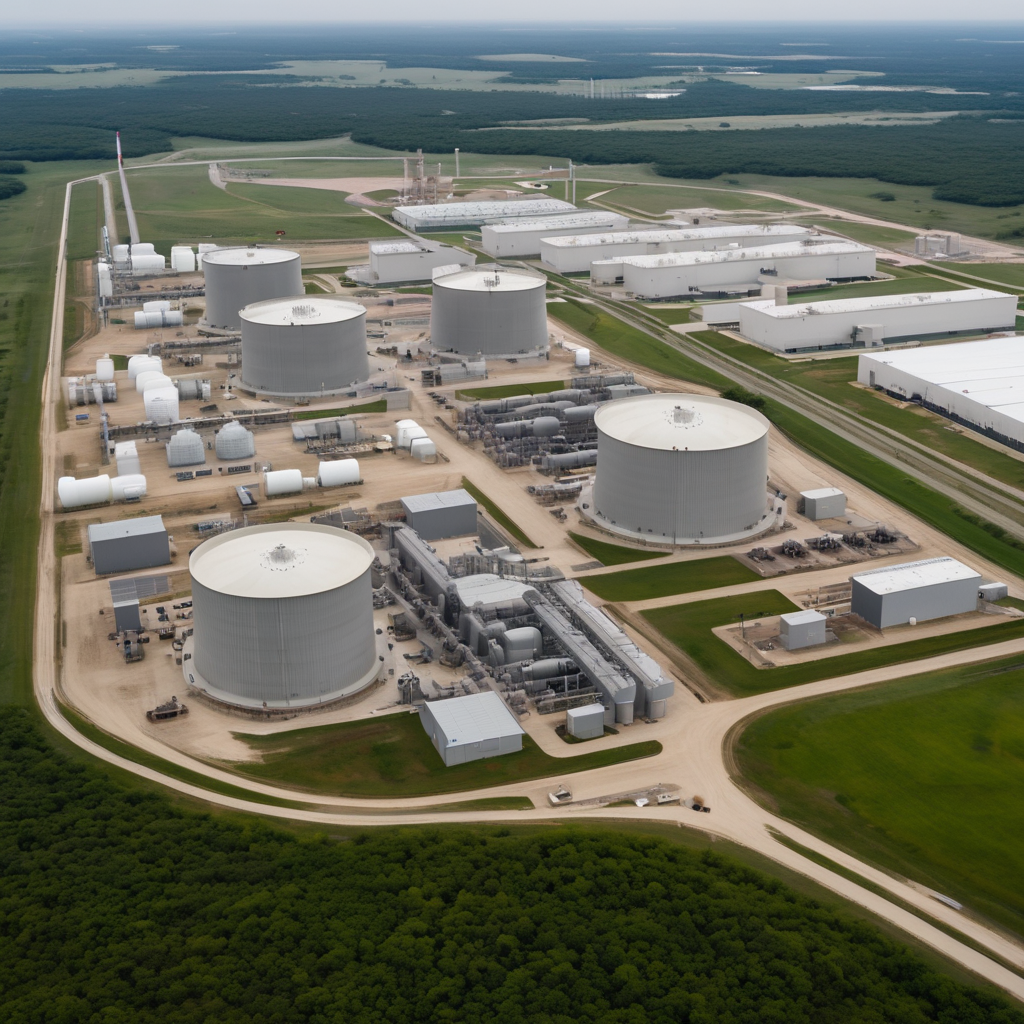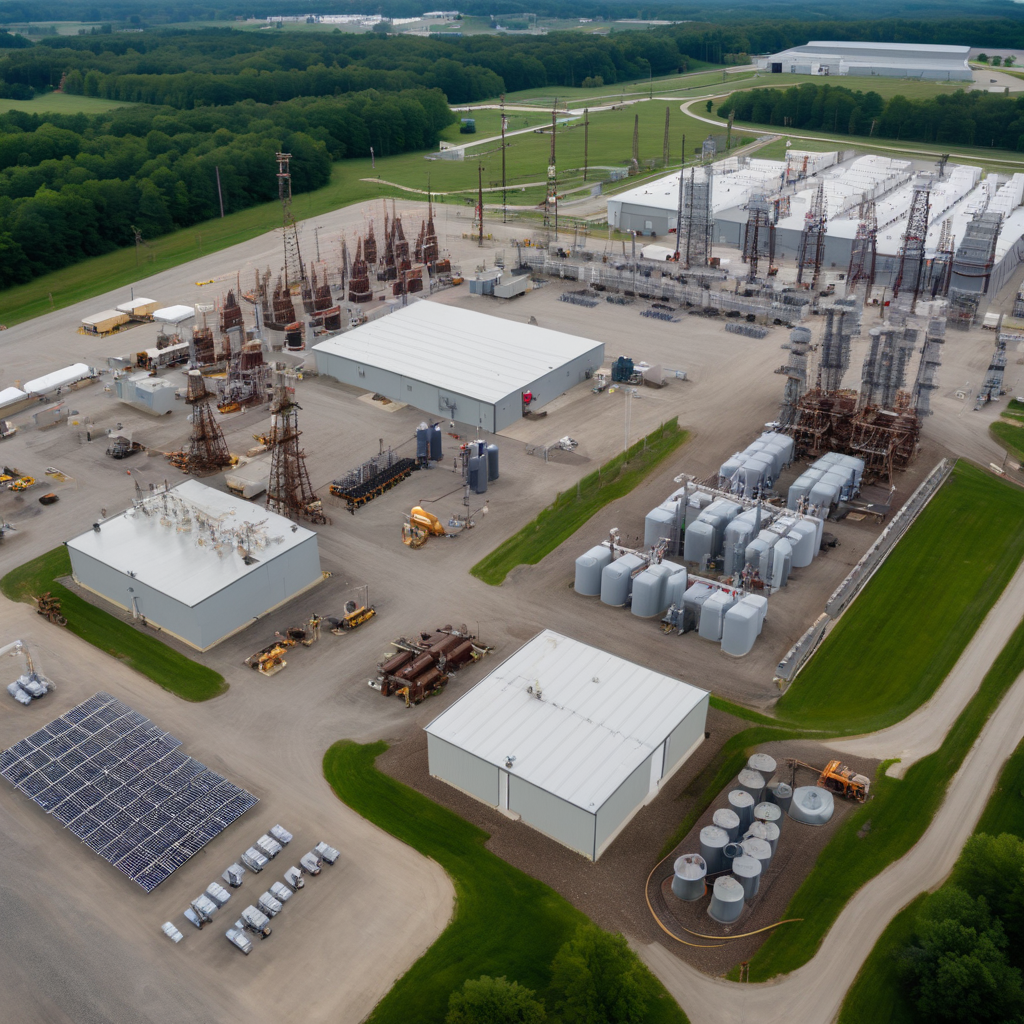
Virginia's ambitious push to modernize its electrical grid through demand response programs is encountering an unexpected obstacle: the very customers it was designed to help. Despite new legislation encouraging utilities to offer large power users the chance to participate in load-shedding programs, many facilities are discovering that signing up involves navigating a maze of regulatory complexity that makes participation far from straightforward.
Think of demand response as the grid's equivalent of surge pricing in reverse. When electricity demand peaks—typically during sweltering summer afternoons when air conditioners across the state hum at maximum capacity—utilities can call upon enrolled customers to temporarily reduce their power consumption or switch to backup generators. In return, these customers receive financial incentives, creating a win-win scenario that reduces strain on the grid while rewarding flexibility.
The Promise Behind Virginia's Grid Modernization Push
Virginia's legislative framework represents a significant shift in how the state approaches energy reliability. The law specifically targets large industrial and commercial customers (think manufacturing plants, data centers, and large office complexes) who collectively consume substantial portions of the state's electricity. By encouraging these major power users to participate in demand response programs, Virginia aims to create a more resilient and efficient electrical system.
The concept is elegantly simple: rather than building expensive new power plants to meet peak demand that occurs only a few dozen hours per year, utilities can instead pay existing customers to temporarily reduce their consumption or switch to on-site generation during critical periods. This approach, known as demand-side management, has proven successful in other states and represents a cornerstone of modern grid management.
Where Theory Meets Regulatory Reality
However, the transition from legislative intent to practical implementation has revealed significant challenges. Large customers interested in participating face a complex web of interconnection requirements, safety protocols, and utility coordination procedures that can take months to navigate. The process involves detailed engineering studies, equipment certifications, and coordination protocols that must be established before any generator can be used for demand response purposes.
For facilities considering generator-based demand response participation, the decision involves weighing substantial upfront costs against uncertain long-term benefits. Many potential participants find themselves caught between the promise of financial incentives and the reality of regulatory compliance costs that can quickly erode projected savings.
The gap between legislative intent and practical implementation highlights the complexity of modernizing century-old utility systems while maintaining reliability and safety standards.
The Generator Interconnection Challenge
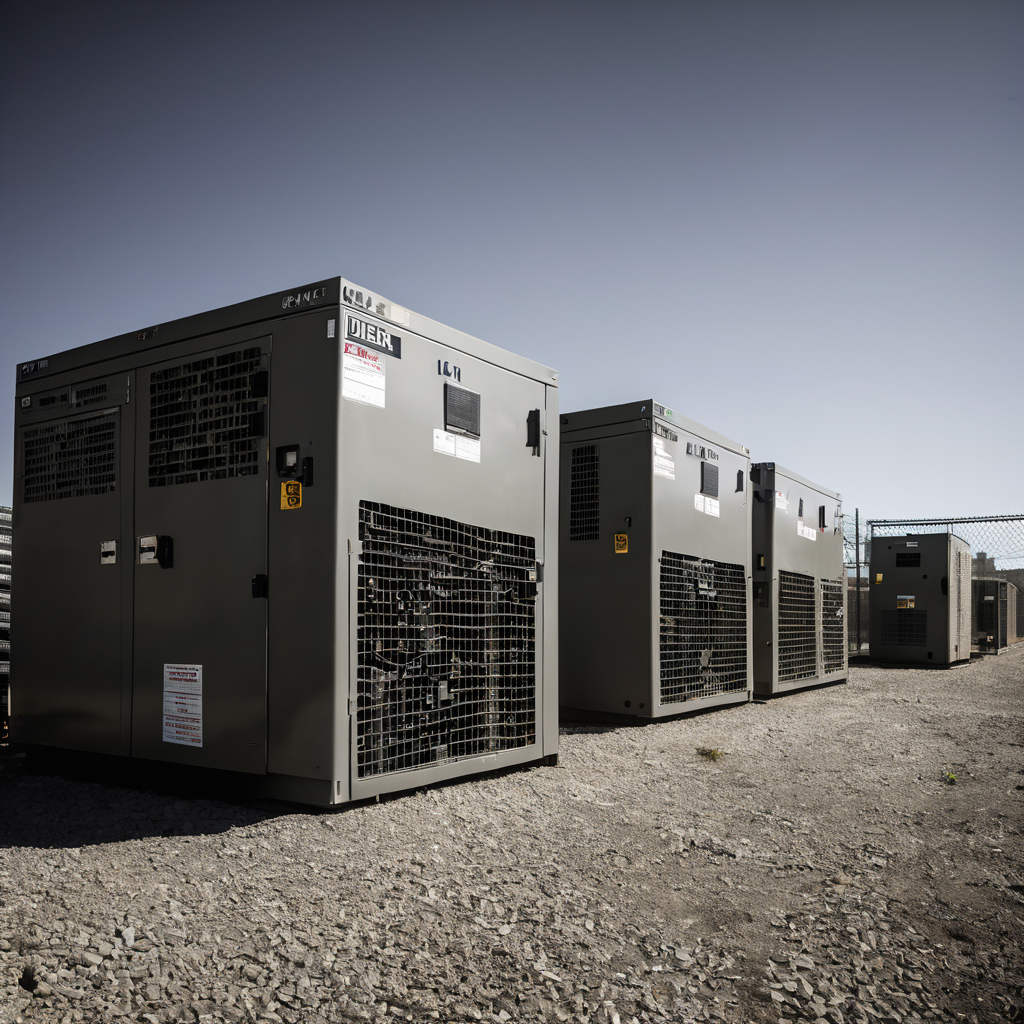
At the heart of these implementation hurdles lies the technical challenge of safely integrating customer-owned generators with utility systems. When a facility switches from grid power to generator power during a demand response event, multiple safety and coordination systems must function flawlessly. Utilities require extensive documentation proving that customer generators won't create power quality issues, safety hazards, or operational conflicts with grid management systems.
This interconnection process involves engineering studies that can cost tens of thousands of dollars, equipment upgrades to meet utility standards, and ongoing maintenance requirements that many customers hadn't anticipated. For smaller facilities, these costs can quickly exceed the financial benefits of program participation, creating an economic barrier that effectively excludes many potential participants.
Why This Matters for Virginia's Energy Future
The success or failure of Virginia's demand response initiatives will have implications far beyond the immediate participants. As the state continues to add renewable energy resources—particularly solar installations that don't generate power during evening peak demand periods—having robust demand response capabilities becomes increasingly critical for maintaining grid reliability.
Moreover, Virginia's experience serves as a test case for other states considering similar legislation. The challenges emerging in Virginia highlight the need for more streamlined regulatory processes that can balance safety requirements with practical participation barriers. Without addressing these implementation hurdles, even well-intentioned legislation may fail to achieve its intended goals of grid modernization and customer empowerment.
The path forward likely requires continued collaboration between utilities, regulators, and potential participants to develop more efficient processes that preserve safety standards while reducing administrative barriers. Virginia's grid modernization ambitions remain achievable, but realizing them will require addressing the practical challenges that have emerged as theory meets implementation reality.