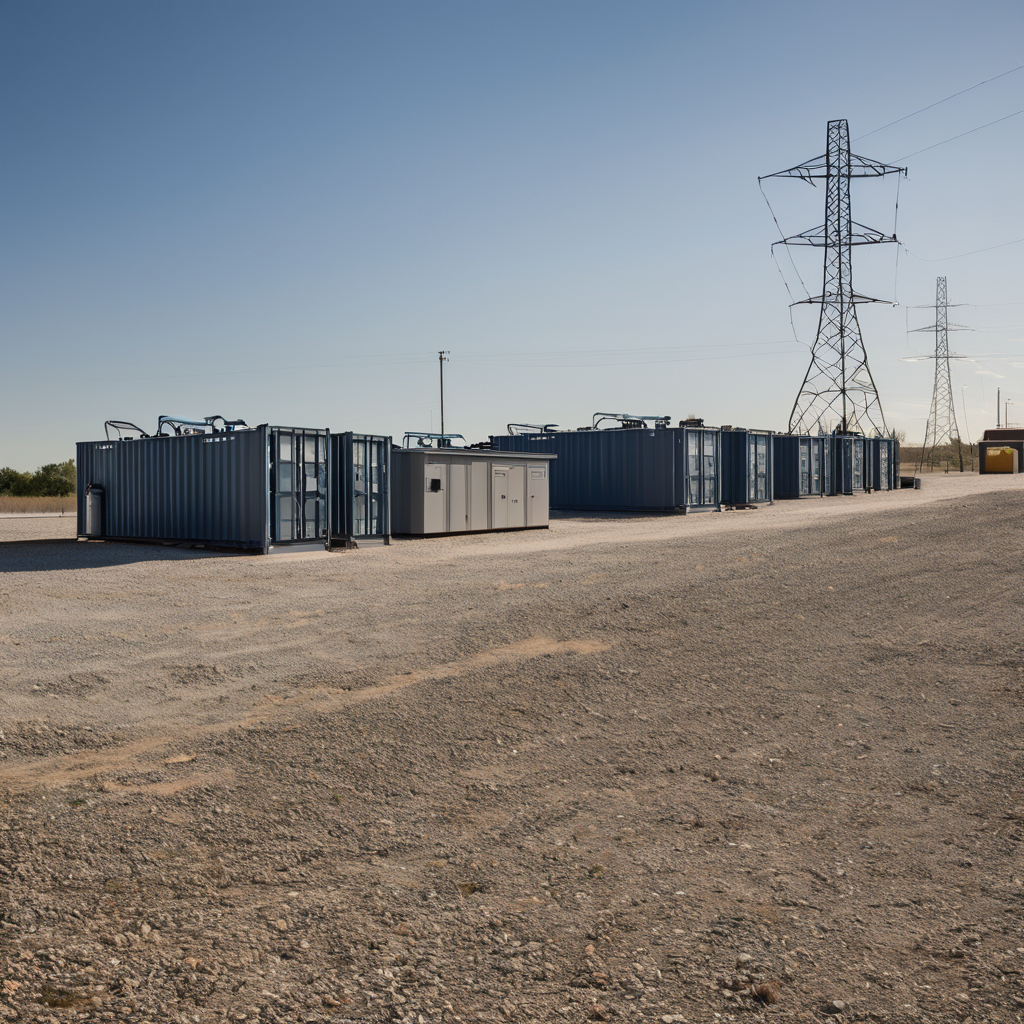
The quiet revolution happening in America's rural electric cooperatives tells a story that extends far beyond their traditional farming heartlands. As hyperscale data centers plant their digital flags across small-town America drawn by cheap land and cooperative spirit, these member-owned utilities are discovering that their century-old mission of keeping the lights on affordably has never been more challenging.
The solution they're increasingly turning to? Battery storage systems that can dance between multiple roles: grid stabilizer, price hedge, and infrastructure Band-Aid all rolled into one sleek, containerized package.
The Data Center Dilemma

Rural electric cooperatives, which serve 42 million Americans across 56% of the nation's landmass, are experiencing an unprecedented demand surge. The National Rural Electric Cooperative Association (NRECA) reports that data centers are fundamentally reshaping load profiles in ways that would make their Depression-era founders' heads spin.
Consider the math: A typical farming community might see peak demand of 50 megawatts during harvest season. Drop a hyperscale data center into that same territory, and you've just added a constant 200-megawatt appetite that never sleeps, never takes weekends off, and demands 99.9% reliability.
"We're seeing load growth that we haven't experienced since rural electrification began," explains one cooperative manager. "The challenge isn't just meeting that demand—it's doing so without bankrupting the farmers and small businesses who've been our members for generations."
Storage as Financial Shield
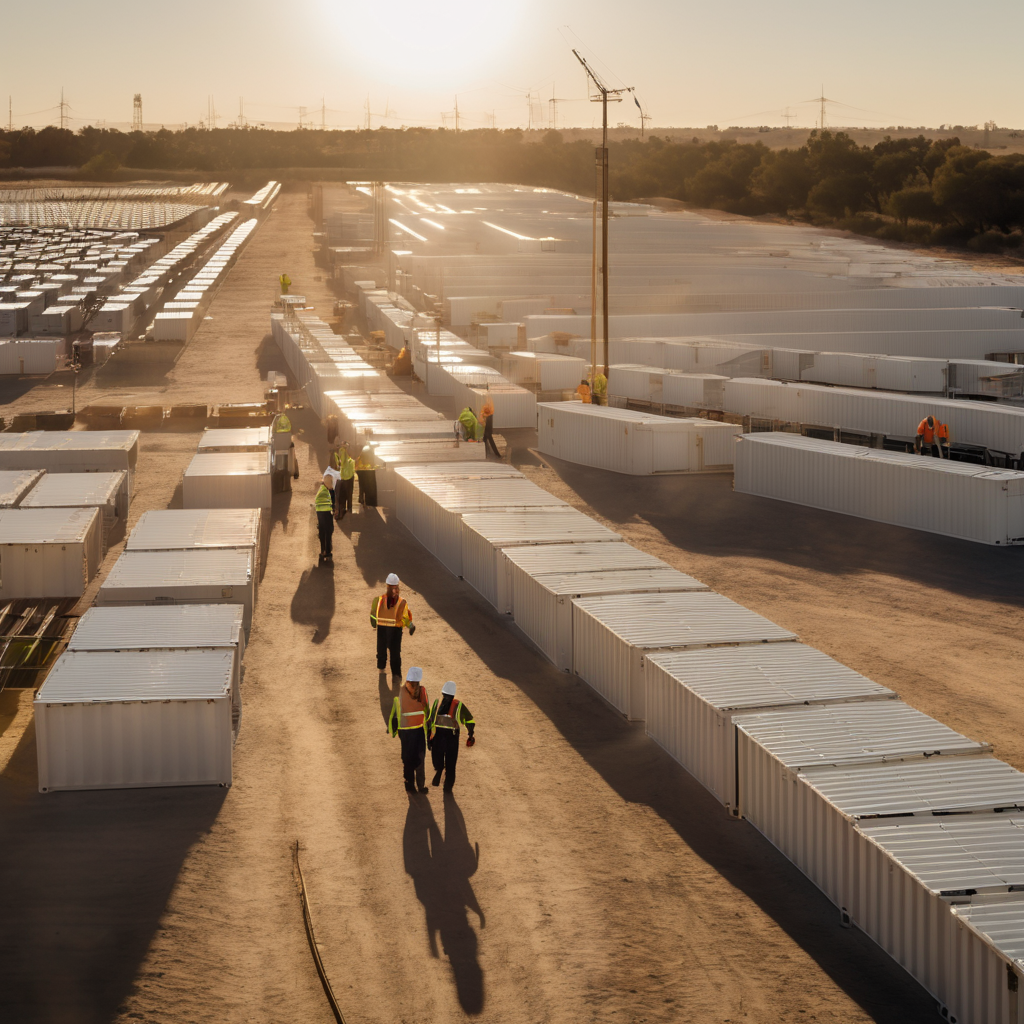
This is where battery storage transforms from a trendy tech solution into an economic lifeline. For cooperatives, these systems serve as sophisticated financial instruments disguised as infrastructure. When wholesale electricity prices spike—as they inevitably do when everyone's air conditioning kicks on simultaneously—stored energy becomes a hedge against market volatility.
The avoided infrastructure investment angle is particularly compelling. Instead of building new transmission lines to handle peak loads that might occur only a few hours per year, cooperatives can deploy battery systems that smooth out demand curves like a financial advisor diversifying a retirement portfolio.
"Battery storage allows us to be strategic about when we buy power and when we use our own stored energy. It's like having a savings account for electricity."
Reliability in the Real World

But perhaps the most immediate driver is reliability. Rural electric cooperatives have always prided themselves on keeping the lights on, even when ice storms knock out transmission lines or summer heat waves push the grid to its breaking point. Battery storage adds a crucial buffer that can keep critical loads running while repairs are made.
For data center customers, this reliability premium is non-negotiable. These facilities can't afford the luxury of "rolling blackouts" or "brief service interruptions" that might be tolerable for residential customers. When Google or Amazon Web Services signs a power purchase agreement, they're buying certainty as much as electricity.
The cooperative model, with its focus on member service rather than shareholder profits, creates unique advantages in this landscape. Unlike investor-owned utilities that must justify every expenditure to Wall Street, cooperatives can make long-term investments in storage technology that benefit their entire membership base.
The Broader Energy Transformation
This rural storage boom reflects a broader transformation in how America thinks about electricity infrastructure. The old model—centralized generation, one-way power flows, predictable demand patterns—is giving way to something more complex and dynamic.
Battery storage systems deployed by rural cooperatives today will likely evolve into sophisticated grid management tools tomorrow. They'll participate in wholesale electricity markets, provide grid services to transmission operators, and potentially even support electric vehicle charging networks as rural America slowly embraces transportation electrification.
For energy consumers, this matters because it demonstrates how storage technology is moving beyond its early adopter phase into mainstream utility planning. The lessons learned by rural cooperatives about optimal sizing, financing structures, and operational strategies, will inform storage deployments across the broader electricity sector.
As data centers continue their march into rural America, the humble electric cooperative may well become the testing ground for the next generation of grid technologies. Their battery storage investments today are writing the playbook for tomorrow's resilient, flexible electricity system- one that can handle whatever digital demands the future might bring while keeping the lights on for everyone else.