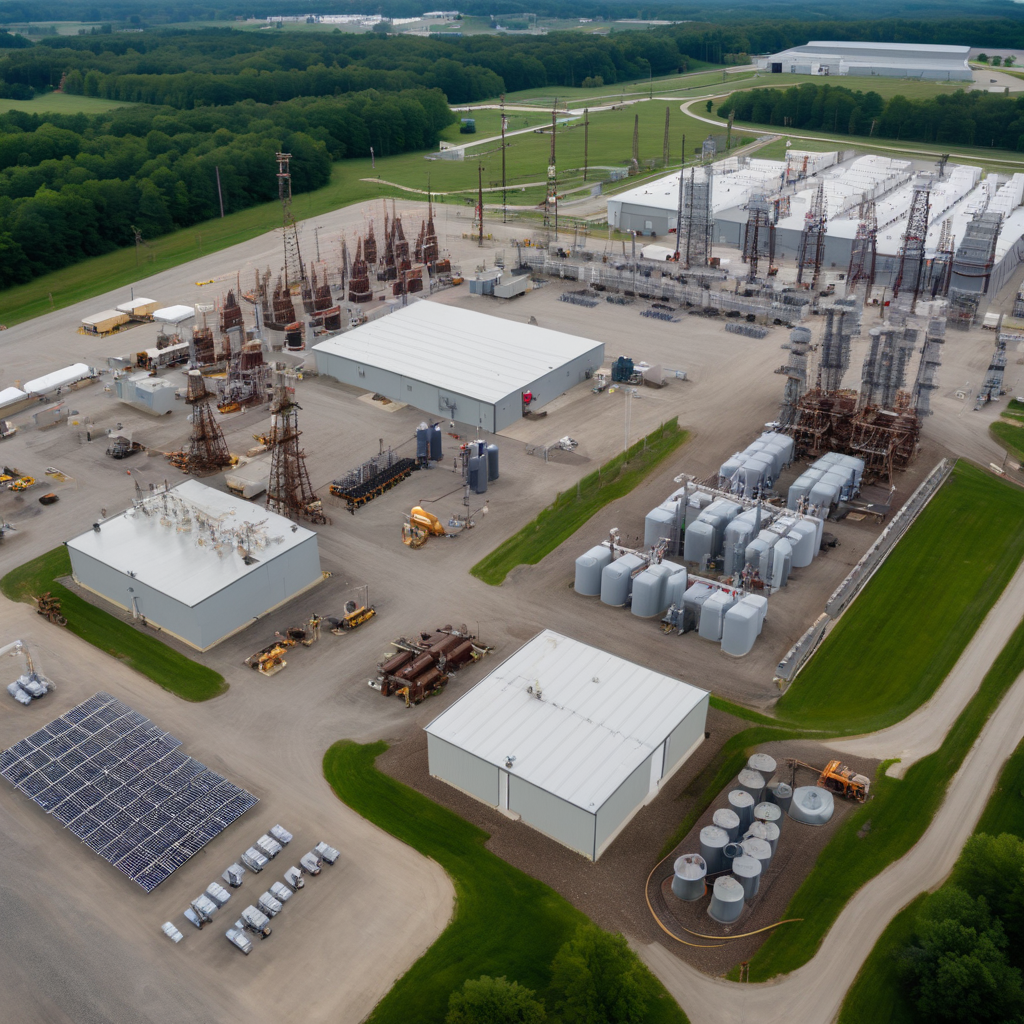
Meta's latest solar power purchase agreement isn't just another corporate sustainability announcement—it's a strategic chess move in the high-stakes game of energy independence that's quietly reshaping how America powers itself.
The social media giant's expanded partnership with renewable energy developer Zelestra represents something far more significant than a single company's green credentials. It's part of a fundamental shift where Big Tech companies are becoming the new kingmakers in America's energy transition, wielding their massive electricity appetites as leverage to accelerate solar development across the country.
The New Energy Brokers

Think of tech companies like Meta as energy venture capitalists with an insatiable appetite for power. Their data centers consume electricity at a scale that rivals small cities, creating a unique market dynamic where their procurement decisions can make or break renewable energy projects.
This latest deal with Zelestra builds on an existing relationship that has already spawned multiple solar installations across the United States. But the partnership model itself is what deserves attention. It's a template that other tech giants are rapidly adopting, creating a parallel energy economy where corporate buyers, not traditional utilities, are driving renewable development.
The implications ripple far beyond Silicon Valley boardrooms. When Meta commits to purchasing power from a new solar facility, it provides developers like Zelestra with the financial certainty needed to secure funding, break ground, and connect to the grid. In essence, tech companies have become the venture capital arm of America's renewable energy buildout.
Why This Matters for Your Energy Bill
Here's where Meta's solar strategy intersects with your monthly electricity costs: every megawatt of corporate-sponsored solar capacity that comes online adds to the overall renewable energy supply, gradually shifting the economics of power generation across entire grid regions.
Traditional utilities are watching this corporate renewable procurement boom with a mixture of admiration and concern. On one hand, companies like Meta are shouldering the financial risk of developing new clean energy capacity. On the other hand, they're also cherry-picking the most attractive renewable projects, potentially leaving utilities with less optimal development opportunities.
The result is a more complex but ultimately more resilient energy ecosystem. As corporate buyers continue to sign long-term power purchase agreements, they're creating a stable revenue foundation that makes renewable projects more attractive to investors and easier to finance.
The Zelestra Factor
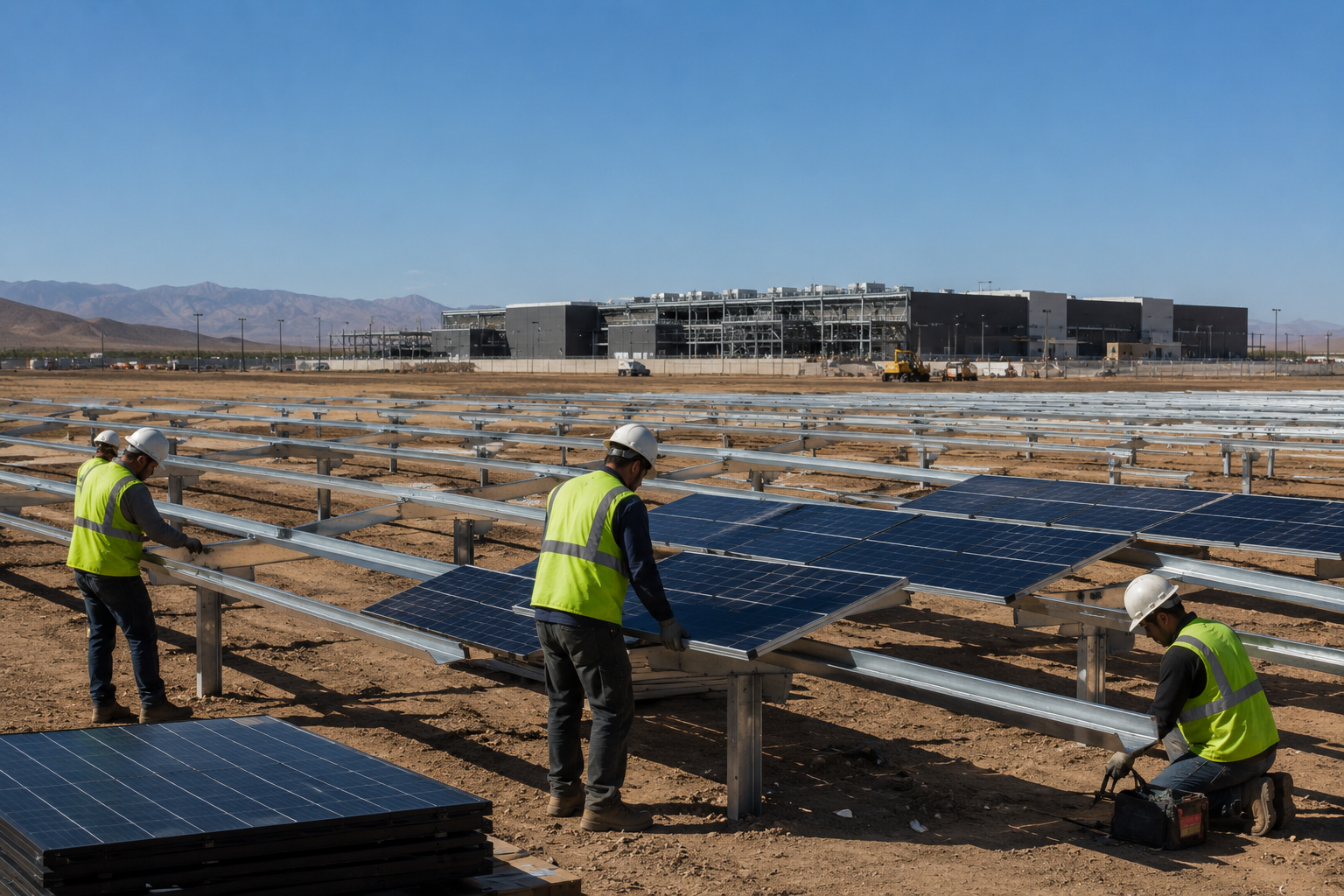
Zelestra's role in this equation highlights another crucial trend: the rise of specialized renewable energy developers who understand how to navigate both the technical complexities of solar development and the procurement preferences of major corporate buyers.
These companies serve as translators between the world of renewable energy development and the specific needs of data center operators. They understand that tech companies need more than just clean energy. They need reliable, scalable power delivery that can grow alongside their digital infrastructure.
The partnership model between Meta and Zelestra is becoming the gold standard for how tech companies can accelerate renewable energy deployment while securing their own long-term energy needs.
This isn't just about environmental responsibility, though that's certainly part of the equation. It's about energy security, cost predictability, and competitive advantage in an increasingly electrified economy.
As more tech companies follow Meta's playbook, we're witnessing the emergence of a new energy procurement model that bypasses traditional utility structures and creates direct relationships between energy consumers and producers. This disintermediation is fundamentally changing how renewable energy projects get financed, developed, and operated across the United States.
The Meta-Zelestra expansion signals that this trend is accelerating, not slowing down. For energy consumers, policymakers, and industry observers, it's a clear indication that the future of American energy will be shaped as much by corporate procurement strategies as by government policy or utility planning.