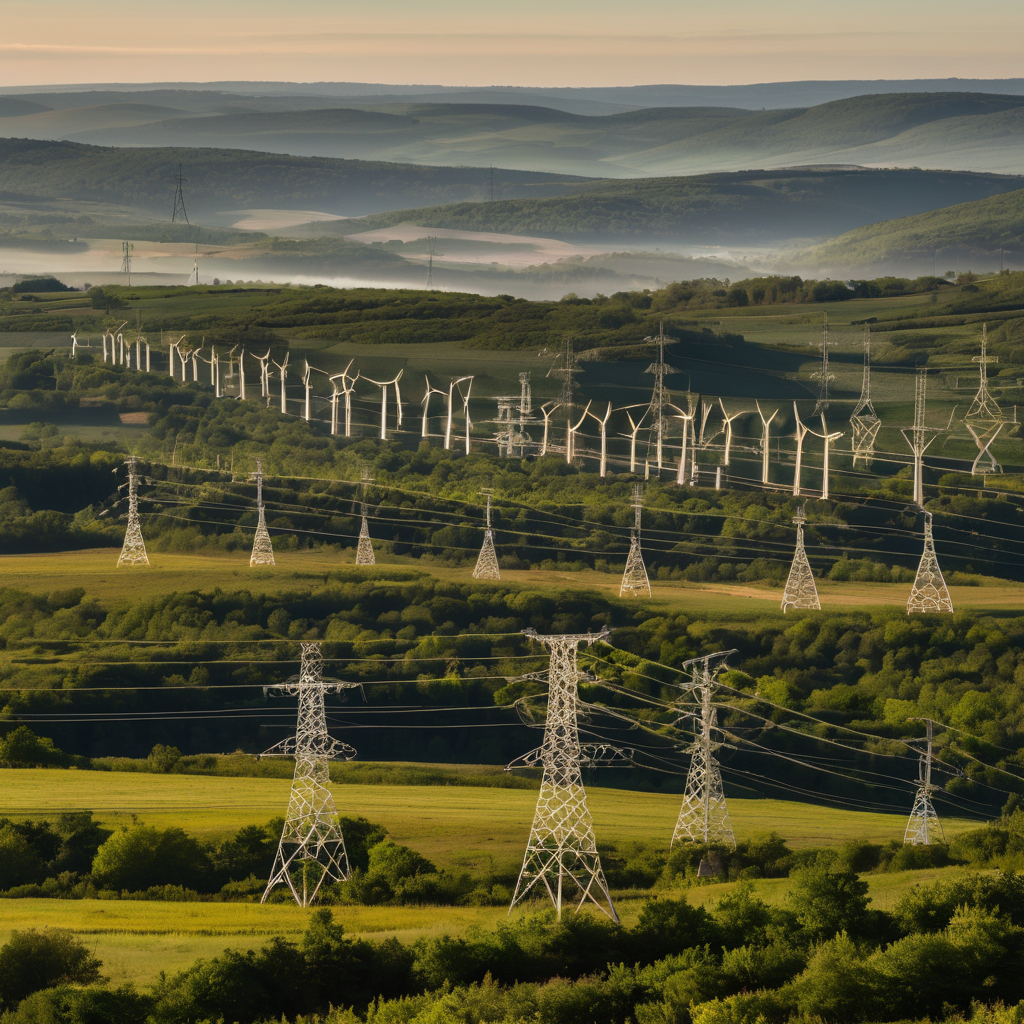
America's nuclear waste problem has been festering like an untreated wound for decades. Across the country, 80,000 tons of spent nuclear fuel sit in temporary storage pools and dry casks at reactor sites—a patchwork solution that was never meant to be permanent. Now, the Department of Energy is proposing a radical new approach: "nuclear lifecycle innovation campuses" that could transform how we handle radioactive waste while creating economic opportunities for willing states.
It's like a grand bargain. Instead of forcing unwilling communities to accept nuclear waste—the approach that doomed Nevada's Yucca Mountain project—the DOE wants to partner with states that see opportunity where others see burden. These campuses would do more than just store waste; they'd become hubs for advanced recycling technologies, research facilities, and potentially the backbone of America's nuclear renaissance.
The Campus Concept: More Than Storage
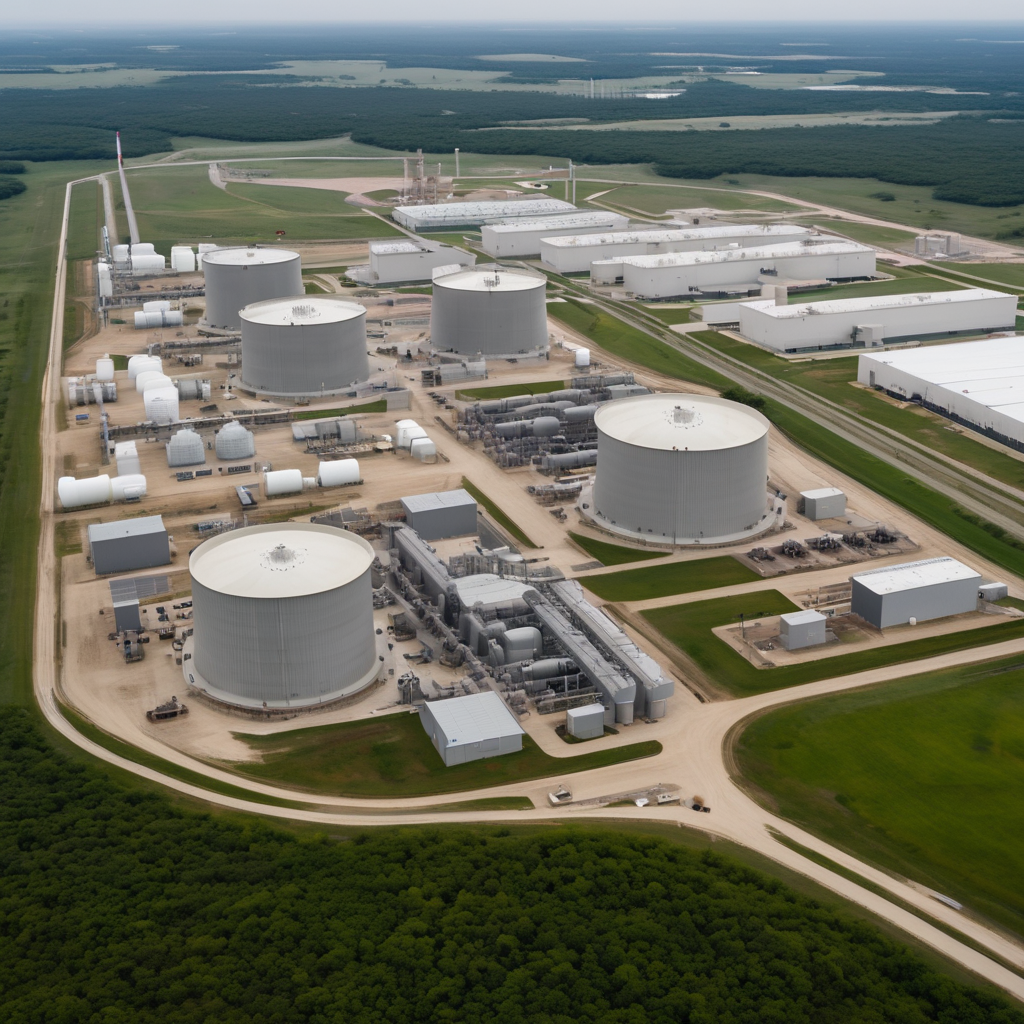
The DOE's vision goes far beyond traditional waste repositories. These "lifecycle innovation campuses" would integrate multiple functions: interim storage for spent fuel, research and development facilities for advanced recycling technologies, and potentially manufacturing sites for next-generation nuclear components. It's an ecosystem approach that treats nuclear waste not as a liability to be buried, but as a resource to be transformed.
Several states have already expressed interest, viewing these facilities as economic engines rather than environmental burdens. The promise is compelling: high-paying jobs, federal investment, and the chance to become centers of nuclear innovation. For rural communities that have watched traditional industries decline, it represents a path toward economic revitalization.
"We're not just talking about waste storage," explains one DOE official. "These campuses could become the Silicon Valley of nuclear technology, where we develop the recycling and reprocessing capabilities that will define the future of clean energy."
States Step Forward Despite Political Headwinds

The political landscape around nuclear waste has shifted dramatically since Yucca Mountain's demise. While that project faced fierce opposition from Nevada's congressional delegation, several states are now actively courting DOE attention. Texas, with its existing nuclear infrastructure and business-friendly climate, has emerged as a frontrunner. New Mexico, home to significant nuclear research facilities, is also positioning itself as a potential host.
This enthusiasm stems partly from economic necessity and partly from evolving attitudes toward nuclear energy. As climate concerns intensify and renewable energy's intermittency challenges become apparent, nuclear power is experiencing a renaissance. States that position themselves at the center of this revival stand to benefit enormously.
But the politics remain treacherous. Even willing states must navigate local opposition, environmental concerns, and the complex web of federal regulations governing nuclear materials. Transportation alone presents a logistical nightmare—moving thousands of tons of radioactive material across the country requires unprecedented coordination and safety measures.
Technical Hurdles and Recycling Reality
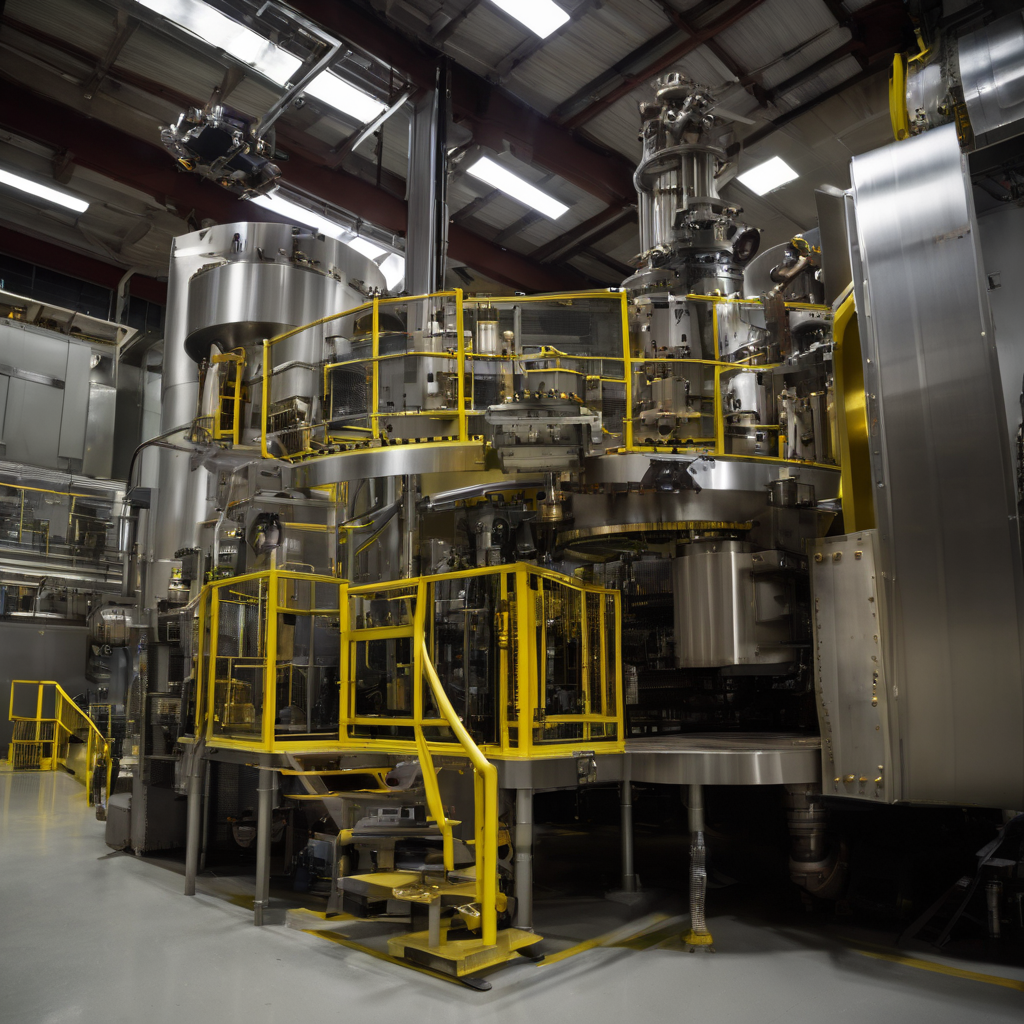
The most ambitious aspect of the campus concept involves advanced recycling technologies that could dramatically reduce waste volumes while extracting valuable materials. Current U.S. policy prohibits reprocessing spent nuclear fuel, but that could change as technology advances and waste accumulates.
Modern recycling techniques can recover up to 96% of usable material from spent fuel, leaving only a small fraction requiring long-term storage. France has operated such facilities for decades, demonstrating both the potential and the challenges. The technology exists, but scaling it economically in the U.S. context requires significant investment and regulatory reform.
The timeline remains uncertain. Even with willing state partners and federal backing, establishing these campuses will take years of planning, environmental review, and infrastructure development. Meanwhile, nuclear plants continue generating waste, and temporary storage solutions grow increasingly strained.
Economic Promise Meets Environmental Reality
For host states, the economic incentives are substantial. A single campus could generate thousands of jobs, from highly skilled nuclear engineers to construction workers and support staff. The DOE estimates that each facility could inject hundreds of millions of dollars annually into local economies—a transformative impact for rural regions.
However, environmental and safety concerns persist. Nuclear waste remains dangerous for thousands of years, and any facility handling such materials faces intense scrutiny. Transportation risks, groundwater protection, and emergency preparedness all require careful consideration. One accident or security breach could derail the entire program.
The success of these campuses will ultimately depend on public acceptance and rigorous safety standards. Communities must be convinced that the economic benefits outweigh the risks—a challenging proposition even in willing states.
A Test of American Nuclear Leadership
The nuclear lifecycle campus initiative represents more than waste management policy; it's a test of America's commitment to nuclear energy leadership. Other nations, particularly China and Russia, are investing heavily in advanced nuclear technologies while the U.S. struggles with basic waste management.
Success could position America at the forefront of the global nuclear renaissance, with domestic recycling capabilities reducing dependence on foreign uranium supplies and creating exportable technologies. Failure would likely cement nuclear energy's decline in the U.S., leaving the field to international competitors.
The stakes extend beyond energy policy to national security and economic competitiveness. Nuclear technology represents one of America's few remaining technological advantages, but that edge is eroding as other nations advance while U.S. infrastructure ages.
The DOE's campus concept offers a path forward, but it requires unprecedented cooperation between federal and state governments, sustained political commitment, and public acceptance of nuclear technology's role in America's clean energy future. Whether this ambitious vision becomes reality or joins the long list of failed nuclear waste solutions remains to be seen. What's certain is that the current approach—indefinite temporary storage at reactor sites—is unsustainable, making bold alternatives like these campuses not just attractive, but necessary.