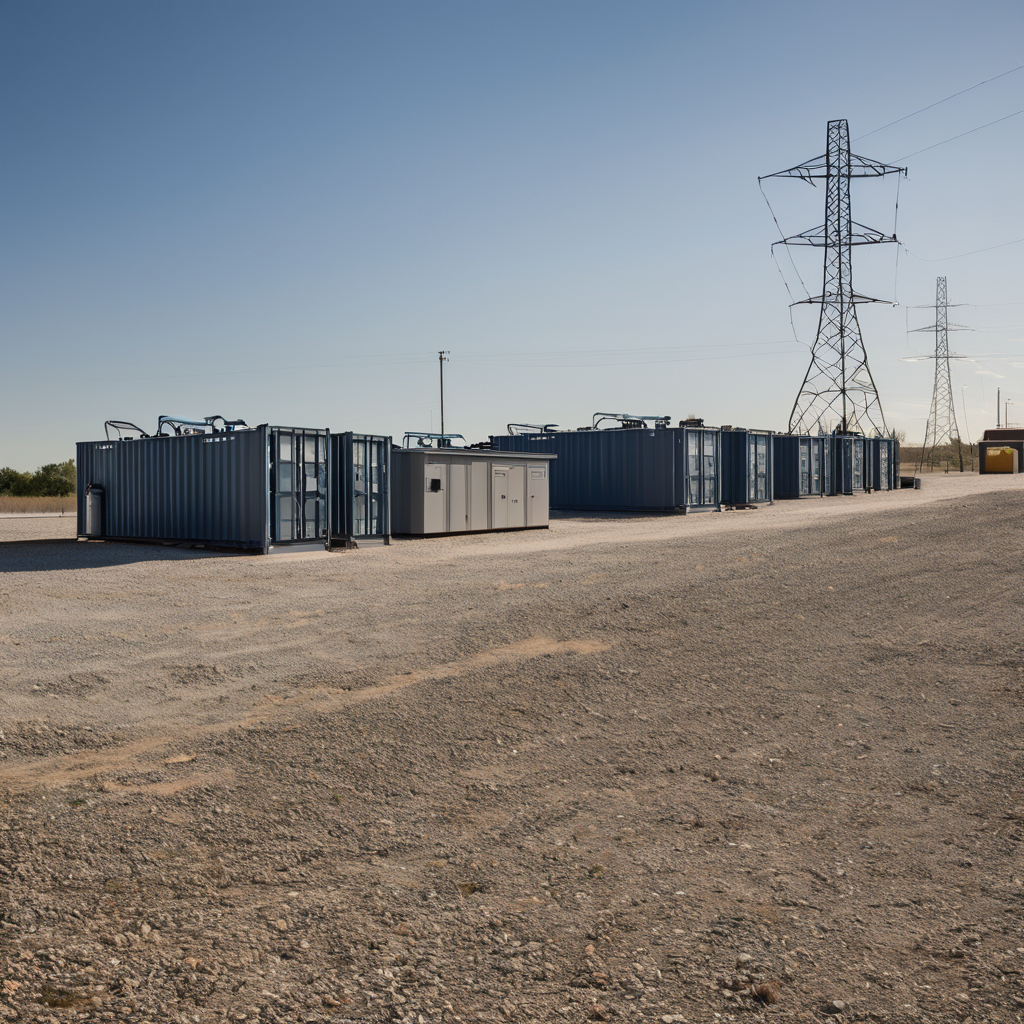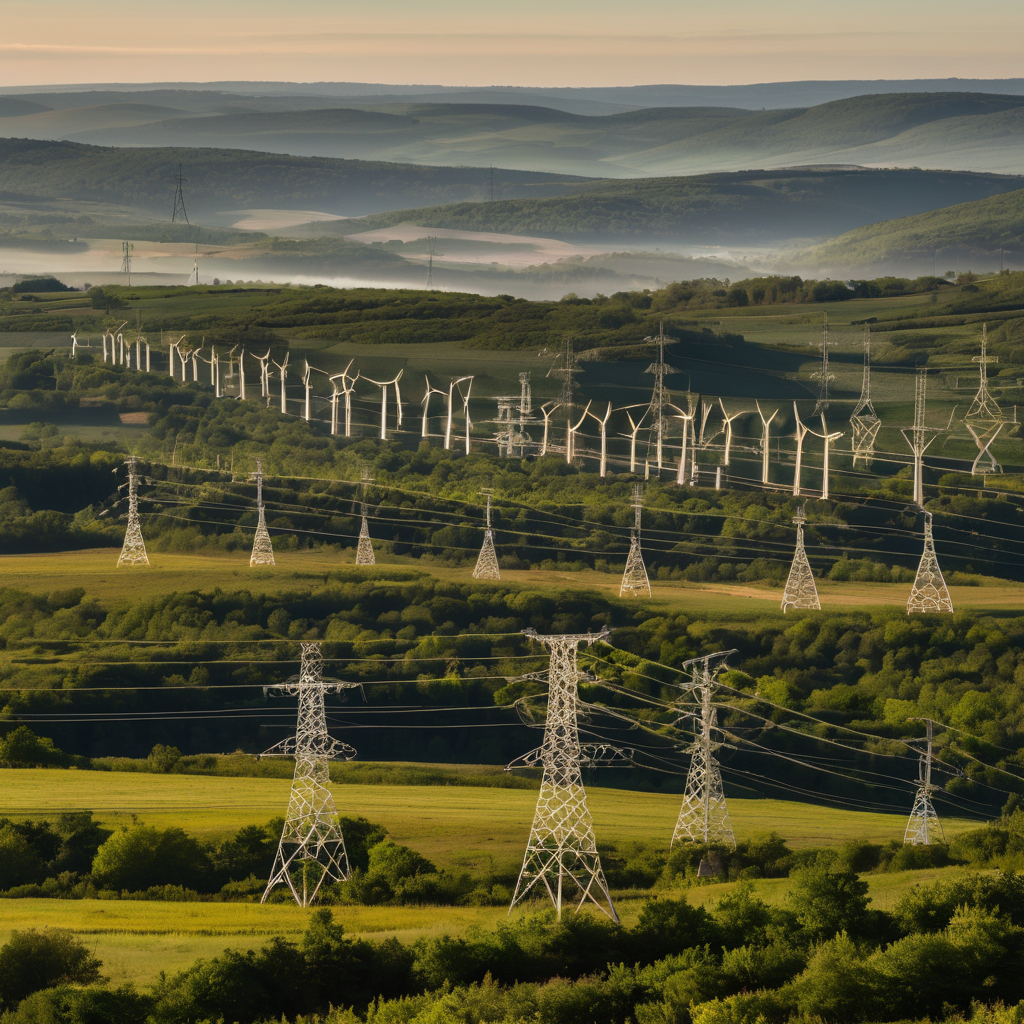
Think of New England's electrical grid as a high-wire act, where transmission lines are the safety nets stretched between towering poles. This summer, those nets just got stronger—but the performers are still walking a precarious line between adequate power and potential blackouts.
The Northeast Power Coordinating Council (NPCC) delivered cautiously optimistic news this week: the region should have enough electricity to meet typical summer demand, thanks largely to recently completed transmission projects. But lurking beneath this reassurance is a more complex reality. Some areas may still need to implement emergency procedures or rely on power imports when the grid faces stress.
Transmission Projects Provide Critical Backbone

The new transmission infrastructure represents more than just steel and copper. It's the circulatory system that keeps electricity flowing from generators to homes and businesses across New York and New England. These projects, years in the making, have arrived at a crucial moment when aging infrastructure meets growing demand.
The timing couldn't be more critical. As coal plants retire and renewable energy sources create new patterns of electricity generation, the grid needs robust transmission networks to move power from where it's generated to where it's needed. The NPCC's assessment suggests these investments are paying dividends, creating a more resilient foundation for the region's energy security.
However, adequacy doesn't equal abundance. The distinction matters enormously for consumers, businesses, and grid operators who must navigate an increasingly complex energy landscape where supply and demand must be balanced in real-time.
Emergency Measures Still on the Table
Even with improved transmission capacity, the NPCC's report acknowledges that some areas may need to implement emergency procedures during periods of high stress. This isn't necessarily cause for alarm, however. It's grid management 101, where operators have multiple tools at their disposal to maintain reliability.
Emergency procedures can range from requesting voluntary conservation to more dramatic measures like controlled rolling blackouts. The key word here is 'controlled': these are planned responses, not chaotic system failures. Grid operators would rather implement temporary, targeted measures than risk widespread, uncontrolled outages.
The region's ability to import power from neighboring areas provides another crucial safety valve, essentially allowing New England to borrow electricity when local generation falls short.
This interconnected approach reflects the modern grid's evolution from isolated regional systems to a more collaborative, sharing-based model. When one area faces constraints, others can step in to help—assuming their own systems have capacity to spare.
What This Means for Energy Consumers
For households and businesses across New York and New England, this assessment offers both reassurance and a gentle reminder about the realities of grid management. The improved transmission infrastructure means fewer surprises and more reliable service, but it doesn't eliminate the need for energy consciousness during peak periods.
Smart consumers will pay attention to peak demand periods—typically hot summer afternoons when air conditioning use soars. During these times, even small conservation efforts can help reduce system stress and minimize the need for emergency measures.
The bigger picture here is about resilience and adaptation. The grid is becoming more sophisticated, with better tools for managing variability and stress. But it's also becoming more complex, requiring careful coordination between multiple stakeholders and systems.
As New England heads into summer, the message is cautiously optimistic: the lights should stay on, the air conditioners should keep running, and the region's energy infrastructure appears ready to handle typical demand. The transmission investments are working as intended, providing the backbone for a more reliable energy future—even if that future still requires careful management and occasional emergency measures.