

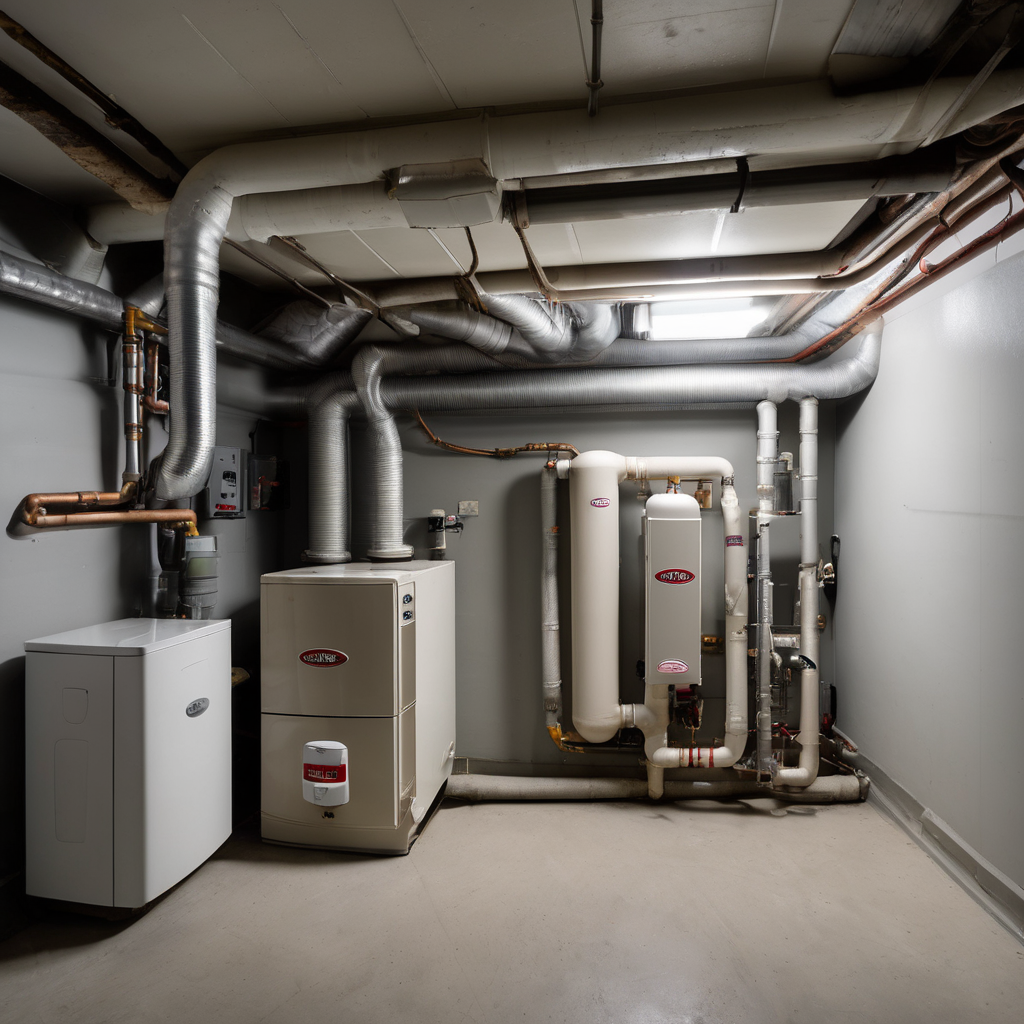
In a decision that could reshape America's home heating landscape, the Supreme Court has handed the Biden administration a significant setback, agreeing with Trump-era arguments that new efficiency rules for gas furnaces and water heaters lack proper legal foundation.
The ruling sends the case back to federal appeals courts, effectively pressing pause on regulations that would have eliminated non-condensing gas furnaces from the market. That's a move that affects millions of American households relying on these older, less efficient heating systems.
The Legal Battleground Over Home Heating
At the heart of this dispute lies a fundamental question about federal regulatory power and energy efficiency mandates. The Biden administration's rules would have effectively banned non-condensing gas furnaces, which operate at roughly 80% efficiency, in favor of condensing models that achieve 90% or higher efficiency ratings.
Think of it as the difference between a leaky bucket and a sealed container. Non-condensing furnaces allow more heat to escape through venting, while condensing units capture and reuse that heat. The energy savings are substantial, but so are the upfront costs and installation complexities for homeowners.
The Supreme Court's decision hinges on procedural grounds rather than the merits of energy efficiency itself. The justices agreed with arguments that the Biden administration's legal review was incomplete, suggesting the regulatory process needs more thorough examination before such sweeping changes can take effect.
What This Means for Your Energy Bills
For the estimated 50 million American households with gas heating, this ruling creates a period of regulatory uncertainty. Homeowners planning furnace replacements now face a complex decision matrix: invest in older technology that might eventually be phased out, or pay premium prices for high-efficiency units that may not be required.
The economics tell a compelling story. High-efficiency condensing furnaces typically cost $1,500 to $3,000 more than standard units, plus potential additional installation costs for new venting systems. However, they can reduce heating bills by 10-15% annually. That calculation that varies dramatically based on local gas prices and climate conditions.
Industry Implications and Market Dynamics
The furnace manufacturing sector now finds itself in regulatory limbo. Companies like Carrier, Lennox, and Rheem have been preparing for years to phase out production of non-condensing units, investing heavily in condensing technology and manufacturing retooling.
This Supreme Court decision could disrupt those carefully laid plans, potentially extending the market life of older technology while manufacturers recalibrate their product strategies. The ripple effects extend through the entire supply chain, from component suppliers to HVAC contractors who've been training on new installation techniques.
Meanwhile, utility companies that have been promoting high-efficiency heating through rebate programs may need to adjust their demand-side management strategies. The delayed timeline could affect their long-term load forecasting and infrastructure planning.
The Broader Energy Efficiency Landscape
This ruling represents more than just a setback for one particular regulation. It signals potential challenges ahead for the Biden administration's broader energy efficiency agenda. Similar legal challenges could emerge for other appliance standards, from air conditioners to commercial equipment.
The decision also highlights the complex interplay between federal efficiency mandates and local market conditions. What makes sense in Minnesota's harsh winters might not align with needs in Arizona's desert climate, yet federal regulations typically apply nationwide standards.
Energy efficiency advocates worry that this delay could slow progress toward climate goals, while industry groups argue it provides necessary time for market-driven solutions to emerge. The reality likely lies somewhere between these positions, with efficiency improvements continuing through market forces even without regulatory mandates.
As this legal battle returns to lower courts, American homeowners face a heating season filled with uncertainty. The ultimate resolution will shape not just how we heat our homes, but how federal energy policy balances efficiency goals with economic realities and regulatory due process. For now, the old furnaces keep running, and the efficiency revolution waits for its legal clearance.


