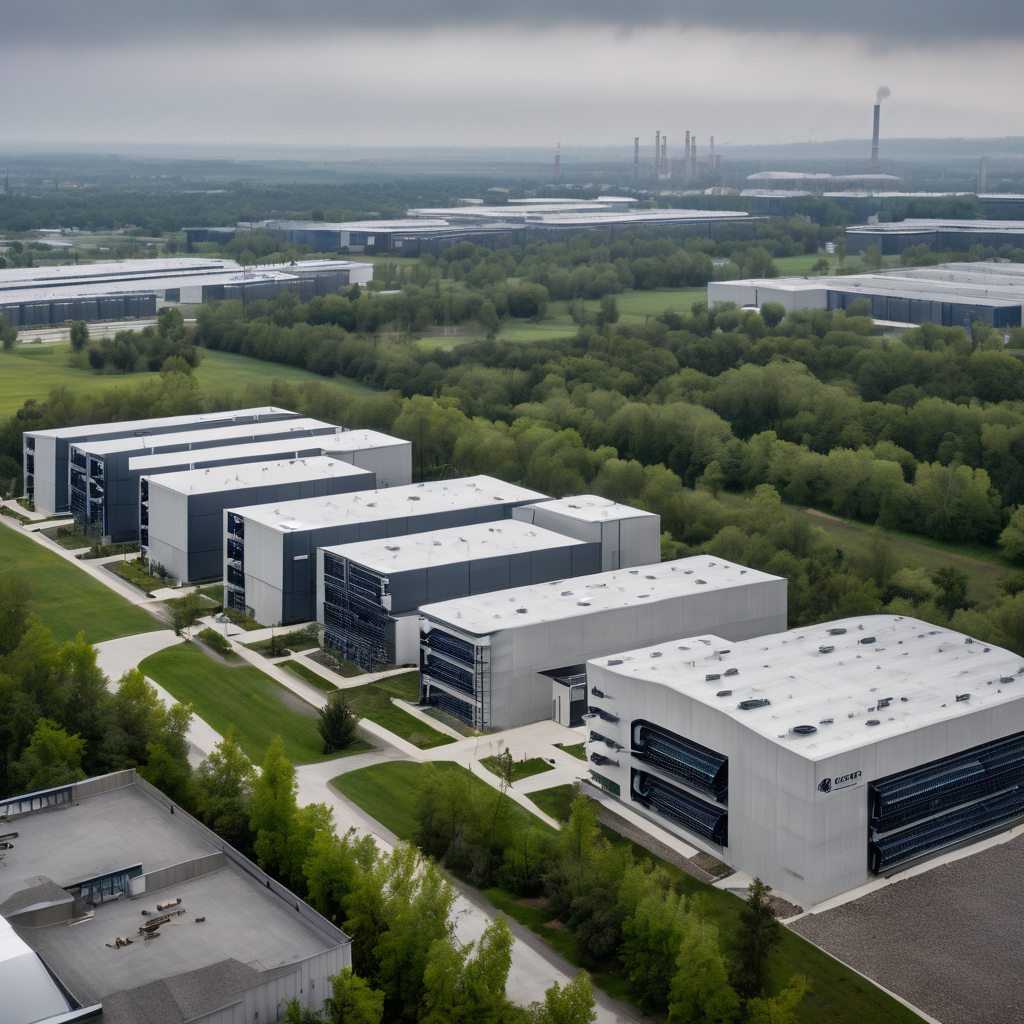
America's data center boom has hit a wall.
Not of technology or capital, but of electricity. Like a growing city discovering its water pipes can't handle new development, the nation's power grid is struggling to keep pace with the voracious appetite of artificial intelligence and cloud computing facilities.
The solution emerging across power markets isn't what you might expect. Instead of waiting years for new power plants or transmission lines, data center developers are discovering a different currency: flexibility. The ability to dial energy consumption up and down on command is becoming as valuable as the electricity itself.
This shift represents more than a technical workaround. It's rewiring the fundamental relationship between major electricity consumers and the grid. For energy consumers everywhere, it signals a future where how you use power matters as much as how much you use.
The New Grid Economics of Give and Take
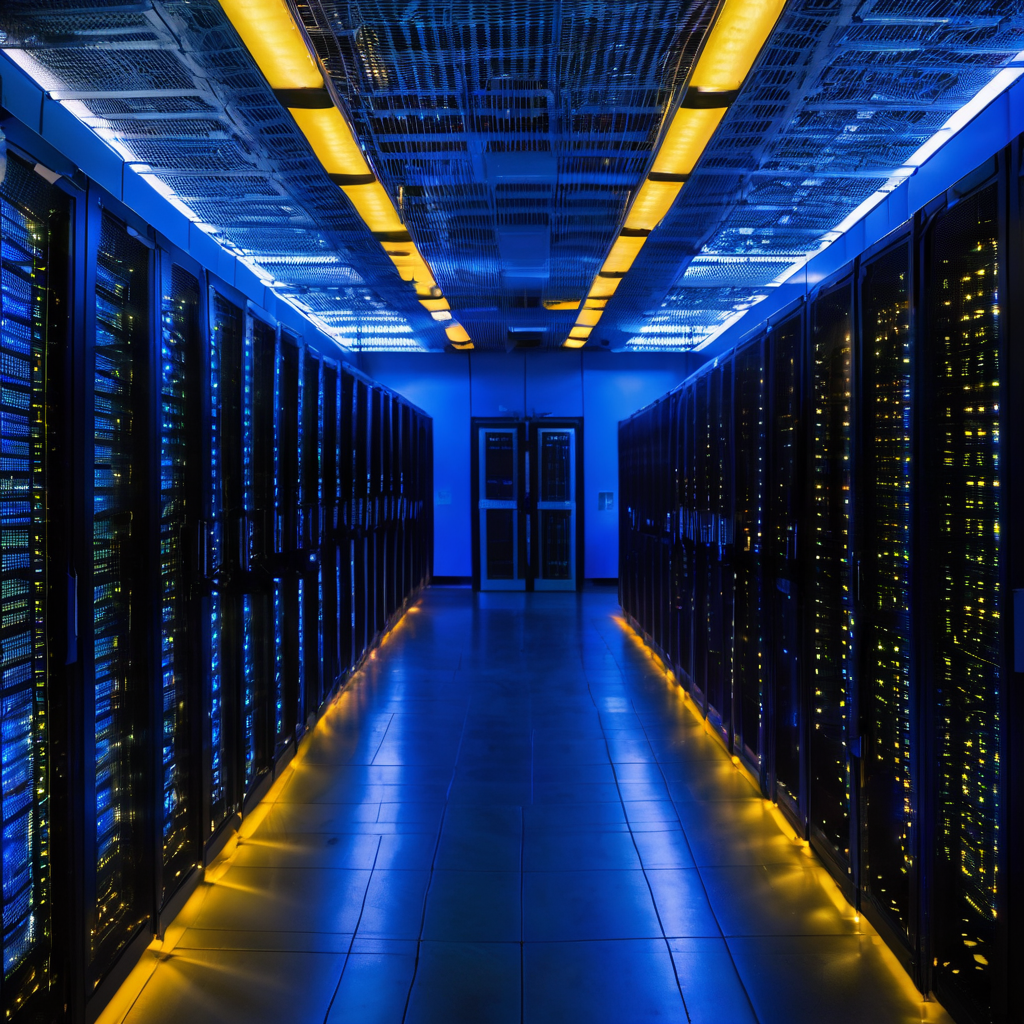
Traditional grid connections operated on a simple premise: utilities provided steady power, and customers consumed it predictably. Data centers shattered that model by demanding massive, consistent electricity flows, often equivalent to powering entire neighborhoods.
But grid operators have learned something crucial from renewable energy integration: flexibility has immense value. Just as wind and solar plants can't always produce power when needed, data centers don't always need to consume at maximum capacity. The difference is that data centers can control their demand with precision that would make a Swiss watchmaker envious.
Load flexibility allows data centers to become active grid participants rather than passive consumers. During peak demand periods, they can temporarily reduce non-critical operations. When renewable energy floods the grid during sunny or windy periods, they can ramp up energy-intensive processes like data backups or machine learning training.
Why Traditional Power Planning Can't Keep Up
The mismatch between data center growth and grid capacity isn't an accident. It's the inevitable result of different planning timelines. A hyperscale data center can go from concept to operation in 18-24 months. Building new power generation or major transmission infrastructure takes 5-10 years, assuming permitting and regulatory approval proceed smoothly.
This timing gap has created what grid experts call a "capacity crunch." In markets like Northern Virginia, Texas, and the Pacific Northwest, data center developers face multi-year waiting lists for new connections. Some are being told to bring their own power generation—a costly proposition that can add hundreds of millions to project budgets.
Enter flexibility as the great accelerator. By agreeing to modulate their power consumption based on grid conditions, data centers can often secure connections years ahead of less flexible competitors. It's like getting priority boarding by agreeing to check your bag. A small accommodation that provides significant benefits.
The Ripple Effects for All Energy Consumers
This flexibility revolution extends far beyond data centers. The same principles are reshaping how utilities think about everything from electric vehicle charging to industrial manufacturing. The message is clear: in a world where power demand is growing faster than supply, flexibility becomes a competitive advantage.
For residential consumers, this trend is already manifesting in time-of-use pricing, smart thermostats, and vehicle-to-grid programs. The utilities that master demand flexibility will be better positioned to integrate renewable energy, defer expensive infrastructure upgrades, and maintain grid reliability as electrification accelerates.
Commercial and industrial customers are taking note, too. Manufacturing facilities that can shift energy-intensive processes to off-peak hours are discovering new revenue streams through demand response programs. It's a preview of an energy system where consumption timing becomes as strategic as energy efficiency.
The data center boom isn't just changing how we think about computing infrastructure. It's pioneering a more dynamic, responsive relationship between electricity supply and demand. In this new energy economy, the most successful players won't just be those who can consume the most power, but those who can consume it most intelligently. That's a lesson with implications far beyond the server room.