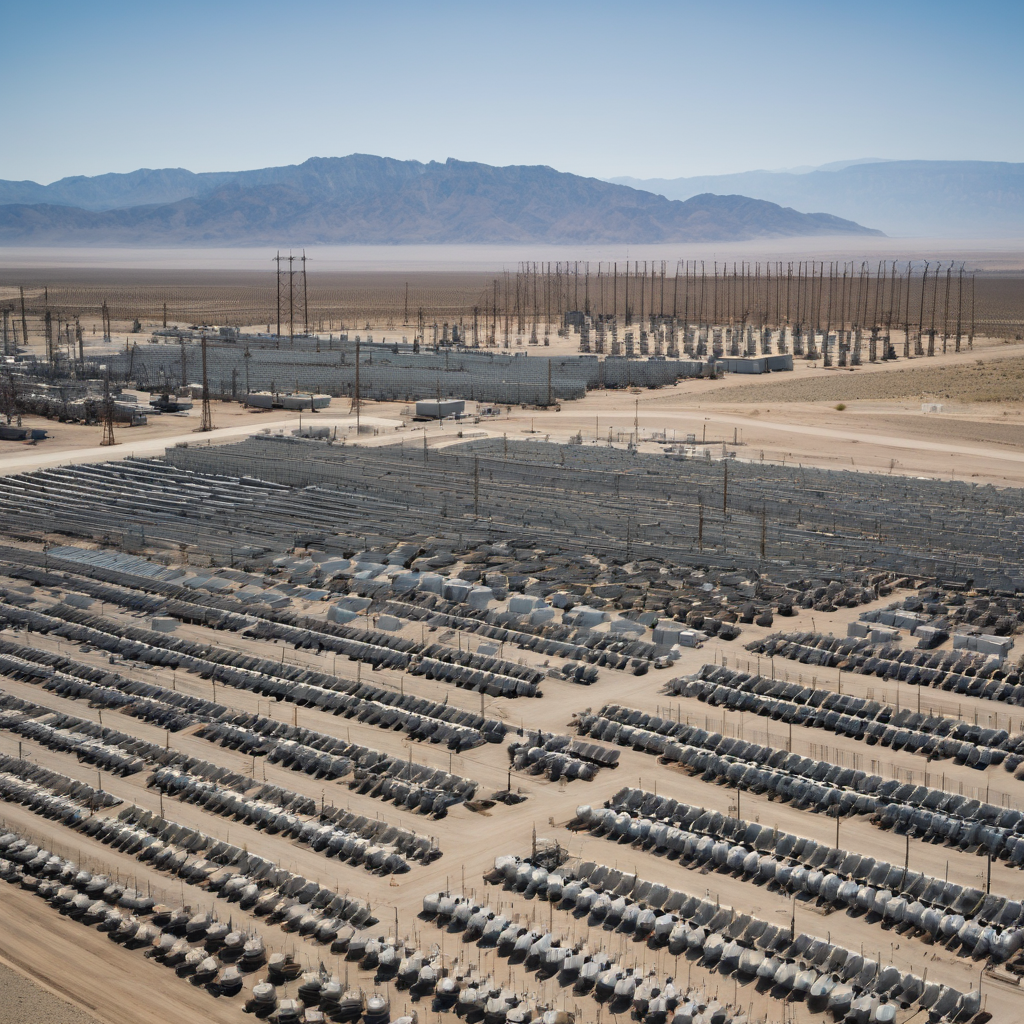
As summer approaches like a slow-building storm on the horizon, three of America's largest power grid operators are sending a reassuring message to millions of energy consumers: the lights will stay on, even when the mercury soars.
The Southwest Power Pool (SPP), PJM Interconnection, and California Independent System Operator (CAISO) have each released assessments indicating their ability to reliably meet electricity demand throughout the coming summer months, despite meteorologists predicting higher-than-average temperatures across their respective territories.
This confidence represents a significant shift from the anxiety that has gripped energy markets in recent years, when extreme weather events repeatedly tested grid resilience to its breaking points.
The Heat Is Coming, But So Is Preparedness
Think of summer electricity demand like rush hour traffic. Predictable in its intensity, but requiring careful orchestration to prevent gridlock. Grid operators have spent months analyzing weather forecasts, maintenance schedules, and generation capacity to ensure they can navigate the seasonal surge in air conditioning demand.
The three regional transmission organizations collectively serve over 100 million Americans across territories spanning from California's Pacific coast to the Atlantic seaboard. Their combined assessment covers diverse climate zones and energy profiles, making their unified confidence particularly noteworthy.
Why this matters: For consumers, this translates to greater certainty about electricity reliability during the peak summer months when energy bills typically reach their annual highs.
Supply Margins Provide Breathing Room
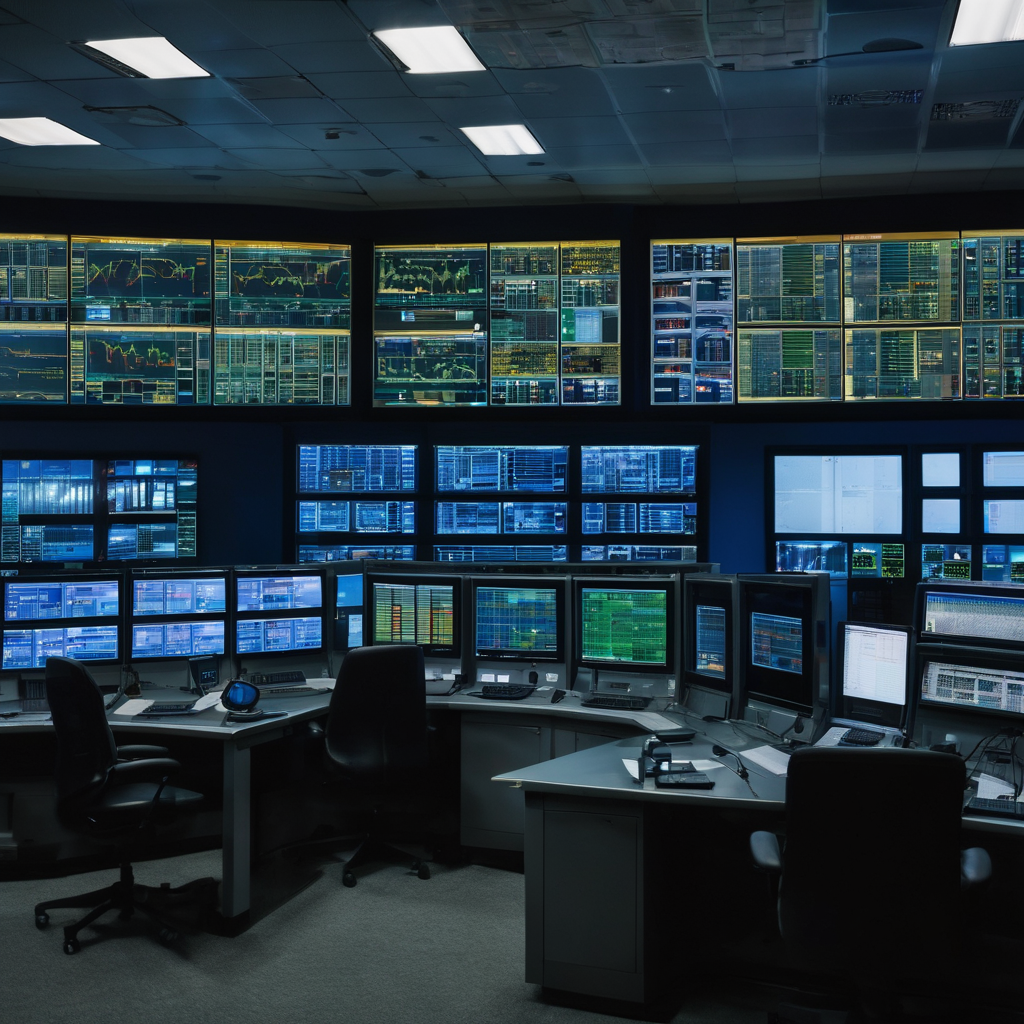
Each grid operator has identified adequate reserve margins—the crucial buffer between available power supply and expected peak demand. These margins function like a financial emergency fund, providing security when unexpected events strain the system.
CAISO, which manages California's notoriously complex grid, has historically faced some of the nation's most challenging summer conditions. The operator's confidence signals significant improvements in both generation resources and demand management capabilities since the rolling blackouts that plagued the state during previous heat waves.
PJM, serving 13 states and Washington D.C., operates the world's largest competitive electricity market. Its summer assessment reflects the grid's ability to coordinate resources across a vast geographic area, leveraging diversity in both weather patterns and generation sources.
Lessons From Recent Summers Drive Confidence
The optimistic outlook stems partly from hard-won experience managing extreme weather events. Grid operators have refined their forecasting methods, improved coordination with neighboring systems, and enhanced their ability to call upon emergency resources when needed.
Recent investments in grid infrastructure, energy storage, and demand response programs have expanded the toolkit available to system operators. These resources provide flexibility that didn't exist during previous challenging summers, when grids operated with fewer options for balancing supply and demand.
The combination of improved forecasting, expanded resources, and enhanced coordination creates a more resilient foundation for summer operations.
However, this confidence doesn't eliminate the need for consumer awareness and participation in energy conservation efforts during peak demand periods.
What This Means for Your Energy Bills
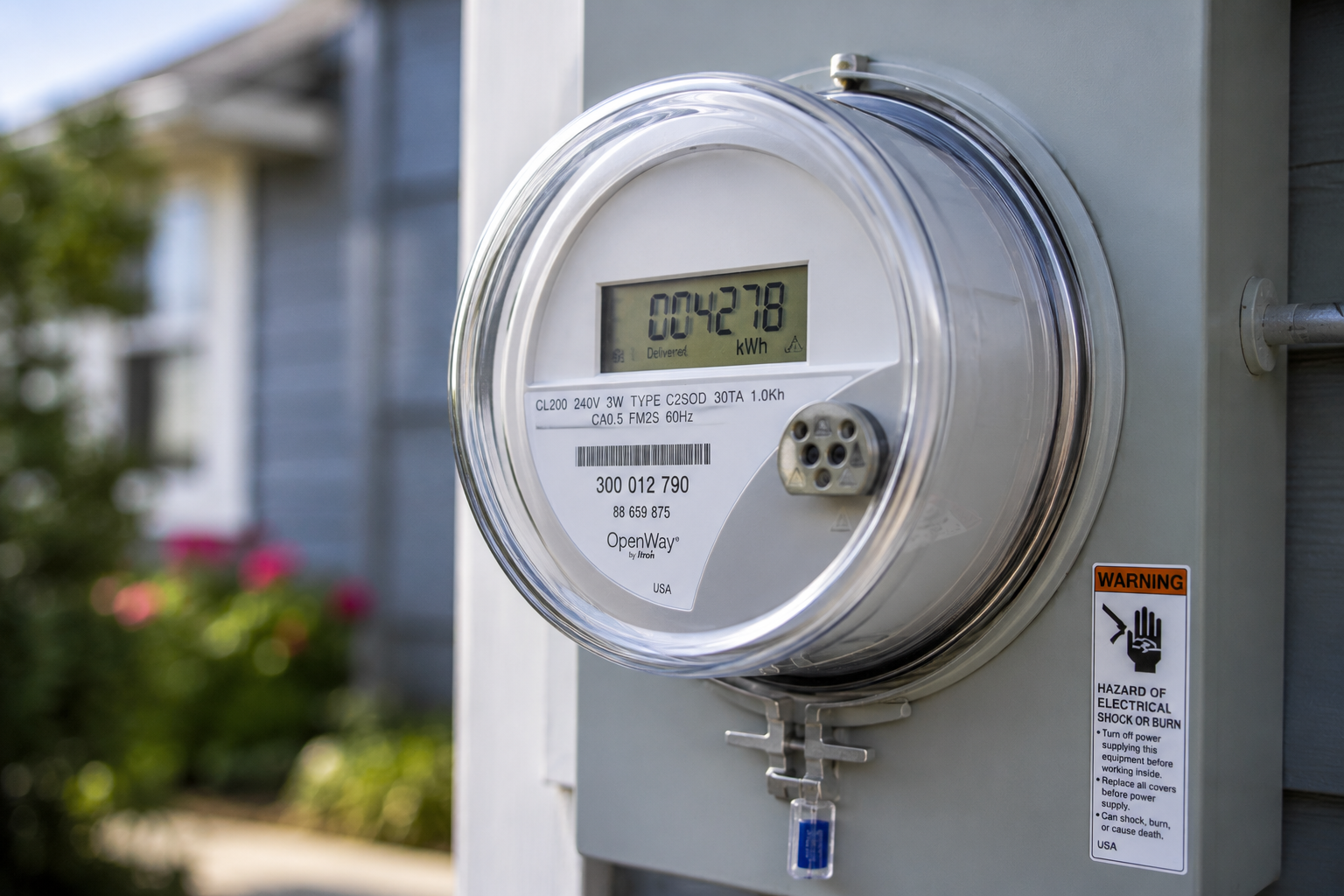
Reliable supply doesn't necessarily translate to stable prices, but it does reduce the risk of emergency price spikes that occur during supply shortages. Consumers can expect typical seasonal increases in electricity usage and costs, but without the additional premium that comes with grid stress conditions.
The assessments also suggest that planned maintenance and infrastructure work can proceed on schedule, rather than being deferred due to supply concerns. This long-term approach to grid maintenance ultimately benefits consumers through improved reliability and efficiency.
As summer temperatures climb and air conditioners hum to life across the continent, these grid operators are betting their reputations on their ability to keep the power flowing. For millions of Americans, that confidence offers something increasingly valuable in our climate-changed world: the assurance that flipping a switch will still turn on the lights, even when the heat is on.