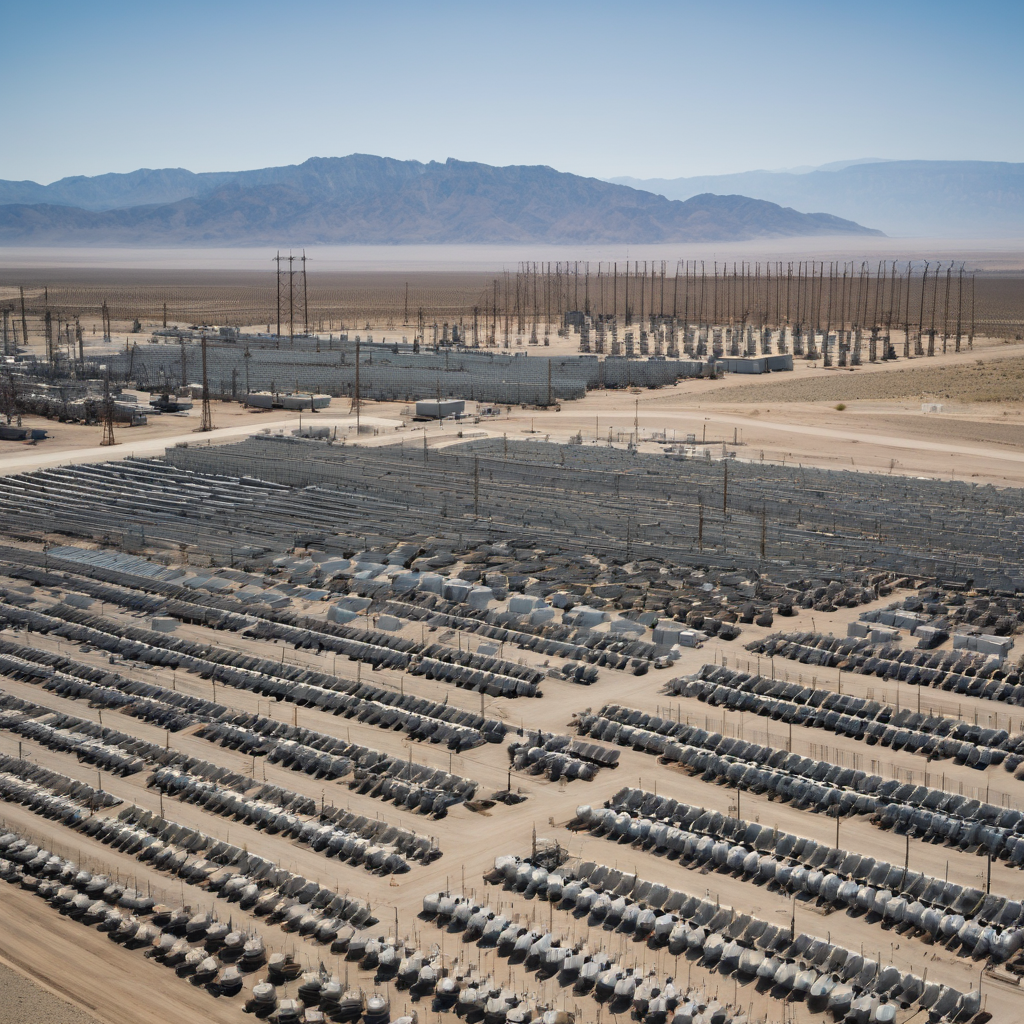
Think of America's electric grid as a vintage car that's been running the same engine for over a century. Sure, we've added some bells and whistles—a new paint job here, updated headlights there—but under the hood, we're still operating with fundamentally the same technology that powered our great-grandparents' homes.
That analogy became starkly relevant this spring when the Department of Energy released its tenth "liftoff" report, a comprehensive blueprint for dragging our power infrastructure into the 21st century. The document reads like a wish list of technologies that sound almost too good to be true: power lines that can carry twice the electricity, systems that automatically reroute energy around problems, and conductors that adapt to weather conditions in real-time.
But here's why this matters to every American who flips a light switch: our current grid loses roughly 5% of all electricity during transmission—enough to power every home in Florida for a year. Meanwhile, extreme weather events are testing our infrastructure's limits like never before, and the integration of renewable energy sources demands a level of sophistication our aging system simply wasn't designed to handle.
The Smart Grid Revolution Finally Gets Serious
The DOE's latest report isn't just another government document gathering digital dust. It represents a fundamental shift in how we think about electricity infrastructure, moving from a passive network of wires to an intelligent, responsive system that can think on its feet.
Advanced conductors represent perhaps the most immediately impactful upgrade. These aren't your grandfather's power lines. They're engineered materials that can carry significantly more electricity than traditional copper or aluminum cables, often without requiring new towers or rights-of-way. It's like upgrading from a two-lane country road to a superhighway, but using the same footprint.
Dynamic line rating takes this concept further by continuously monitoring environmental conditions like temperature, wind speed and humidity to determine exactly how much power a line can safely carry at any given moment. Traditional systems operate on worst-case-scenario assumptions, leaving massive amounts of transmission capacity unused most of the time.
The Economics of Grid Intelligence
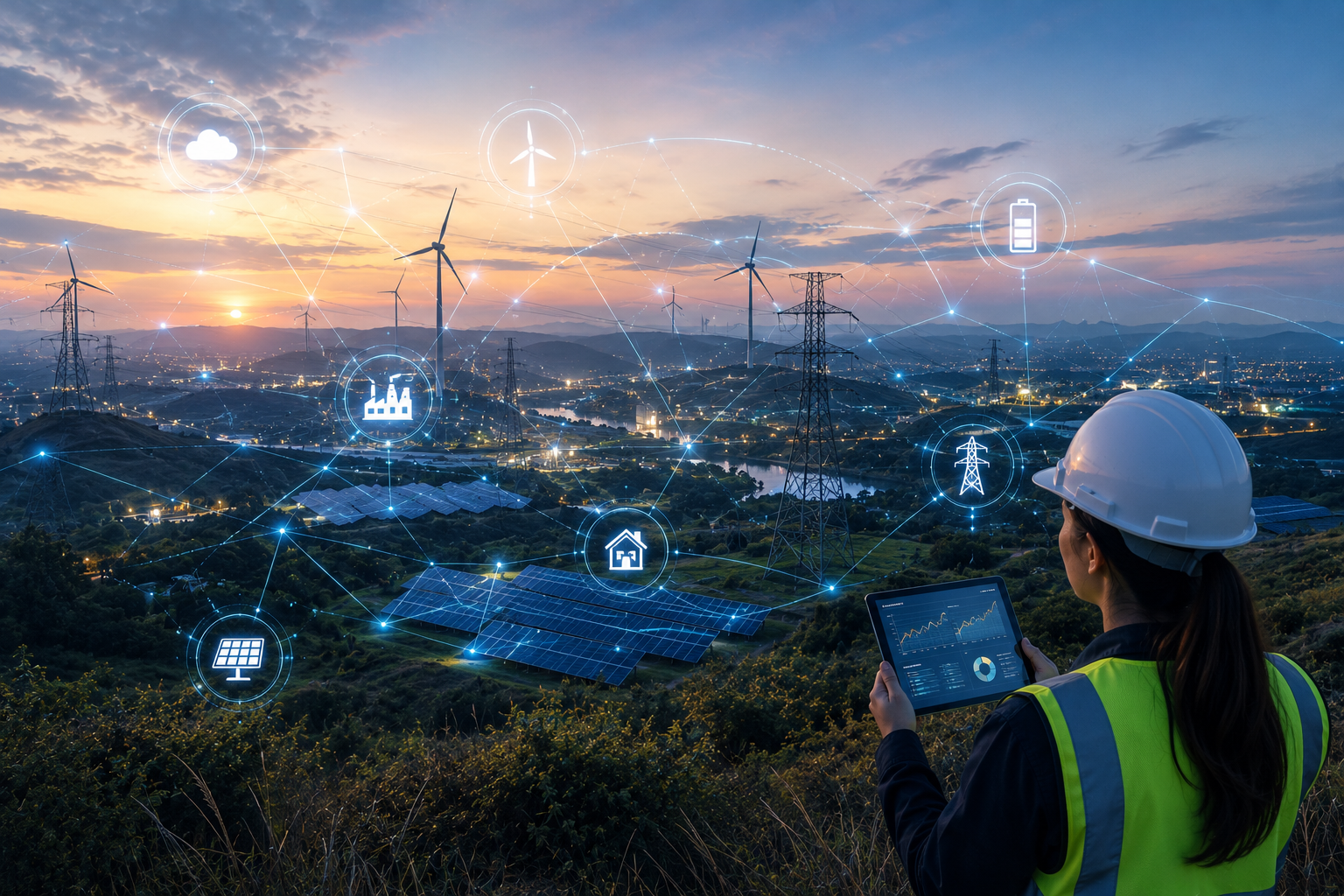
Here's where the rubber meets the road for consumers: these technologies aren't just about preventing blackouts, they're about fundamentally changing the economics of electricity. Advanced power flow control systems can redirect electricity around congested transmission lines, much like GPS navigation routes traffic around highway backups.
Topology optimization—perhaps the most complex of the technologies outlined—uses artificial intelligence to continuously reconfigure the grid's connections, ensuring electricity always takes the most efficient path from generation to consumption. Think of it as having a master chess player constantly rearranging the board to maintain optimal positioning.
For consumers, this translates to more reliable power, lower transmission losses (which ultimately show up in electricity bills), and the ability to integrate far more renewable energy sources without destabilizing the system.
The Implementation Reality Check
Of course, there's a significant gap between DOE reports and actual infrastructure deployment. Grid modernization faces the same challenges that have plagued American infrastructure projects for decades: regulatory complexity, financing hurdles, and the simple reality that utilities operate in a risk-averse environment where new technologies must prove themselves over years, not months.
The report acknowledges these challenges but suggests that recent policy support—including provisions in the Infrastructure Investment and Jobs Act and the Inflation Reduction Act—has created unprecedented momentum for grid modernization investments. Federal funding is now available for demonstration projects that can prove these technologies work at scale.
Moreover, climate change has created an urgency that didn't exist even five years ago. The Texas winter storm of 2021, California's rolling blackouts, and increasingly frequent extreme weather events have made clear that maintaining the status quo isn't actually the safe, conservative choice—it's a recipe for systemic failure.
What This Means for Energy Consumers
The grid modernization outlined in the DOE report won't happen overnight, but its effects will ripple through every aspect of how Americans use energy. A smarter grid means better integration of rooftop solar, more efficient electric vehicle charging, and the ability to sell excess power back to utilities during peak demand periods.
Perhaps most importantly, these technologies lay the groundwork for a truly distributed energy system where consumers become active participants rather than passive recipients. Your home could automatically shift energy usage to times when electricity is cheapest and cleanest, your electric vehicle could serve as backup power during outages, and your solar panels could contribute to grid stability rather than creating management headaches for utilities.
The question isn't whether these technologies will transform America's electric grid—the physics and economics are too compelling to ignore. The question is whether we'll implement them fast enough to stay ahead of the mounting challenges facing our energy infrastructure. Based on the DOE's latest roadmap, that transformation has finally moved from the realm of possibility to the category of national priority.