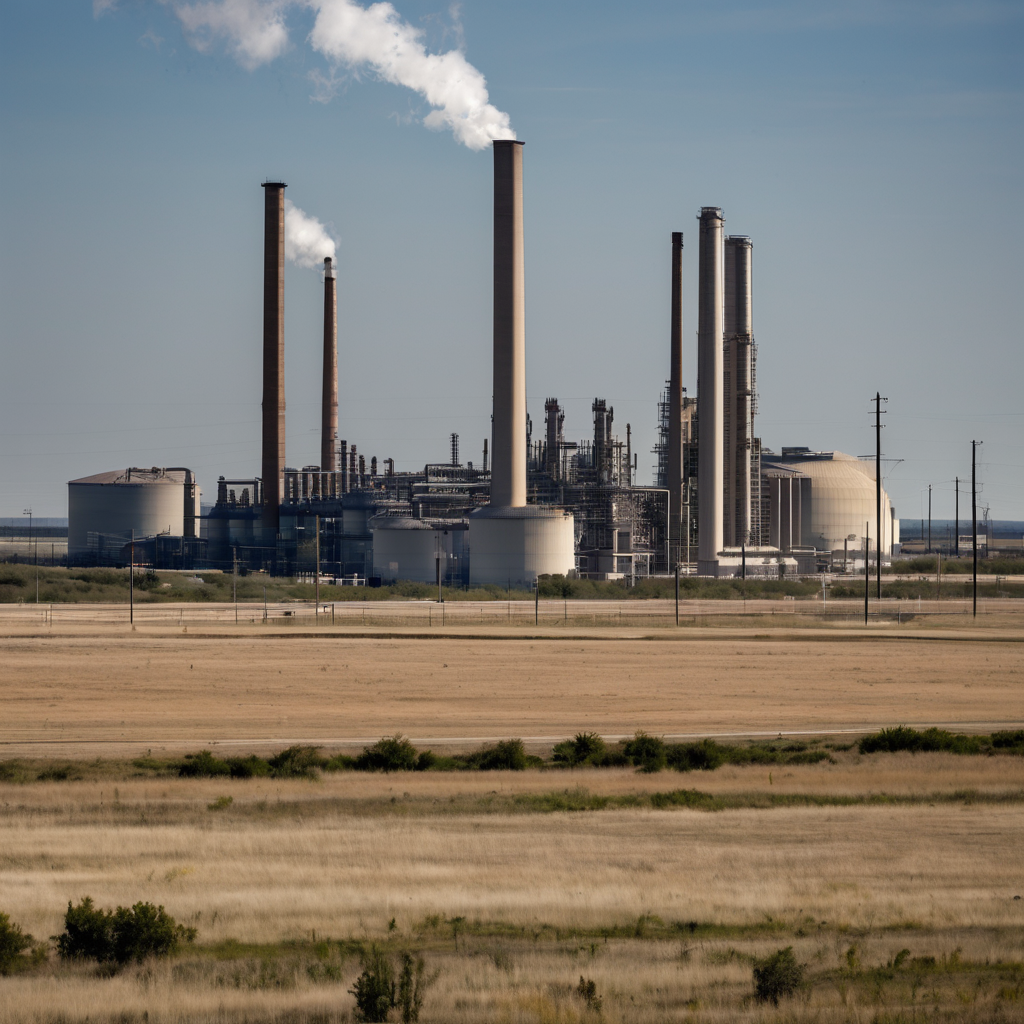
In the high-stakes world of Texas electricity, NRG Energy is making a billion-dollar bet that natural gas will remain the backbone of America's most volatile power grid. The independent power producer is putting the finishing touches on a 415-megawatt gas-fired plant. This is the first major project to emerge from the state's controversial $10 billion Energy Fund while simultaneously orchestrating one of the largest generation acquisitions in recent memory.
Think of it as Texas-sized insurance policy. As the state's electricity demand surges toward record highs, driven by everything from cryptocurrency mining to air conditioning in a warming climate, NRG is positioning itself as the reliable workhorse that keeps the lights on when renewables can't deliver.
The State Steps In
The newly completed plant represents more than just another power facility. It's a tangible manifestation of Texas lawmakers' response to the 2021 winter storm that left millions without power. The Texas Energy Fund, established in the wake of that crisis, was designed to incentivize dispatchable generation, or power that can be turned on and off at will, regardless of weather conditions.
For energy consumers, this matters enormously. While wind and solar have driven down electricity costs across Texas, they've also introduced new volatility. When the wind doesn't blow and the sun doesn't shine, something else must fill the gap. Natural gas plants, with their ability to ramp up quickly, have become the grid's insurance policy. They're expensive to maintain, but invaluable when needed most.
A Massive Integration Challenge
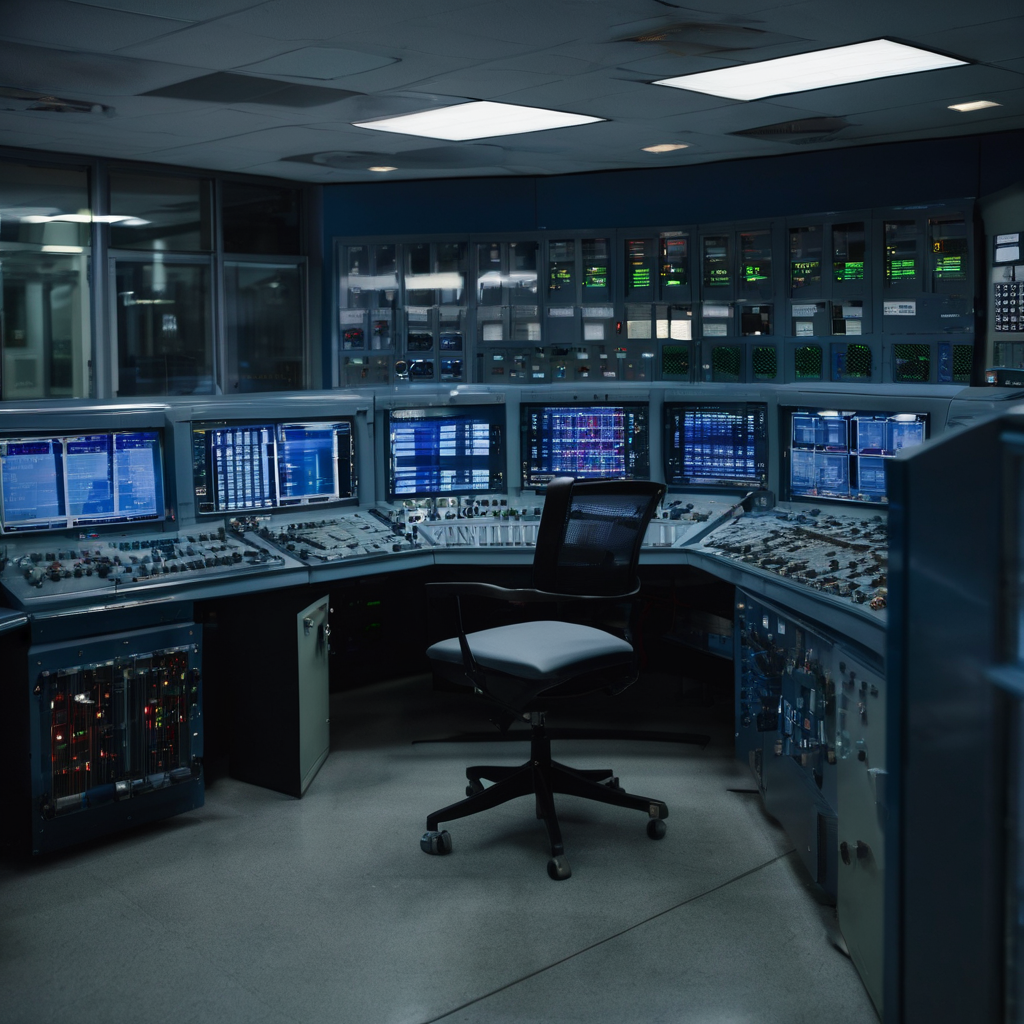
But NRG's ambitions extend far beyond this single plant. The company is simultaneously working to integrate a staggering 13 gigawatts of gas generation assets acquired from LS Power. That's enough capacity to power roughly 10 million homes during peak demand. It's like trying to merge two major airlines while both are still flying at cruising altitude.
This integration challenge comes at a critical moment. Texas electricity demand has been growing at an unprecedented pace, driven by data centers, industrial facilities, and population growth. The Electric Reliability Council of Texas (ERCOT) has warned that reserve margins—the cushion between available power and expected demand—are tightening.
The Economics of Reliability
The financial dynamics at play reveal the complex economics of grid reliability. While renewable energy sources have become the cheapest form of new electricity generation, they require backup power for when nature doesn't cooperate. Natural gas plants increasingly find themselves in a peculiar position: running less frequently but becoming more valuable when they do run.
This shift has profound implications for consumers. In a renewable-heavy grid, electricity prices can swing dramatically based on weather patterns. Gas plants provide stability, but that stability comes at a premium that ultimately flows through to customer bills.
NRG's expansion also highlights the growing role of state intervention in electricity markets. The Texas Energy Fund represents a significant departure from the state's traditionally hands-off approach to power generation, signaling that even the most market-oriented jurisdictions recognize the need for strategic capacity planning.
What This Means for Consumers
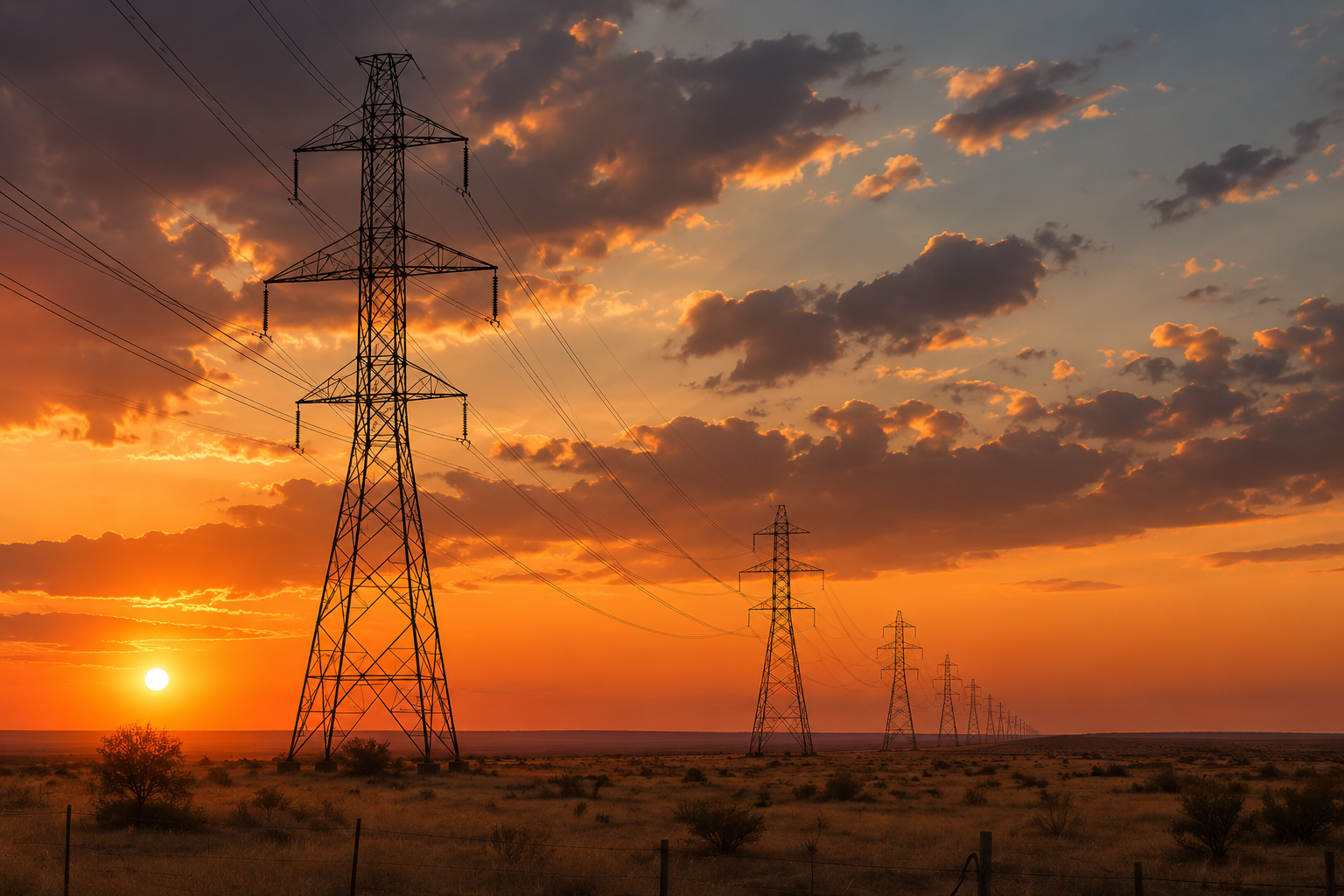
For Texas electricity consumers, NRG's expansion represents both opportunity and uncertainty. On one hand, additional dispatchable generation should help prevent the kind of price spikes and reliability issues that have plagued the state during extreme weather events. More supply generally means more stable prices and improved grid resilience.
On the other hand, the transition period brings its own risks. Integrating massive amounts of new capacity while managing existing assets requires operational excellence. Any stumbles could ripple through the competitive electricity market that serves most Texas consumers.
The broader story here isn't just about one company's growth but about the pragmatic reality of energy transition. While the long-term future may belong to renewables and storage, the near-term requires a careful balancing act between reliability and sustainability. NRG's bet on gas-fired generation reflects the industry's recognition that this transition will be measured in decades, not years, and that keeping the lights on remains the paramount concern for both regulators and consumers alike.