The Environmental Protection Agency is charting a dramatically different course on coal ash regulation, proposing to weaken cleanup requirements that have governed how power companies handle one of America's most toxic industrial wastes. It's a policy pivot that could reshape the environmental legacy of the nation's aging coal fleet and potentially leave communities waiting longer for contaminated groundwater remediation.
EPA Administrator Lee Zeldin has framed the proposed changes as "commonsense reforms" that will streamline regulatory processes. But environmental advocates are sounding alarms, arguing that the modifications could provide coal plant operators with new pathways to minimize, delay, or entirely sidestep cleanup obligations that have been years in the making.
The Toxic Legacy Problem
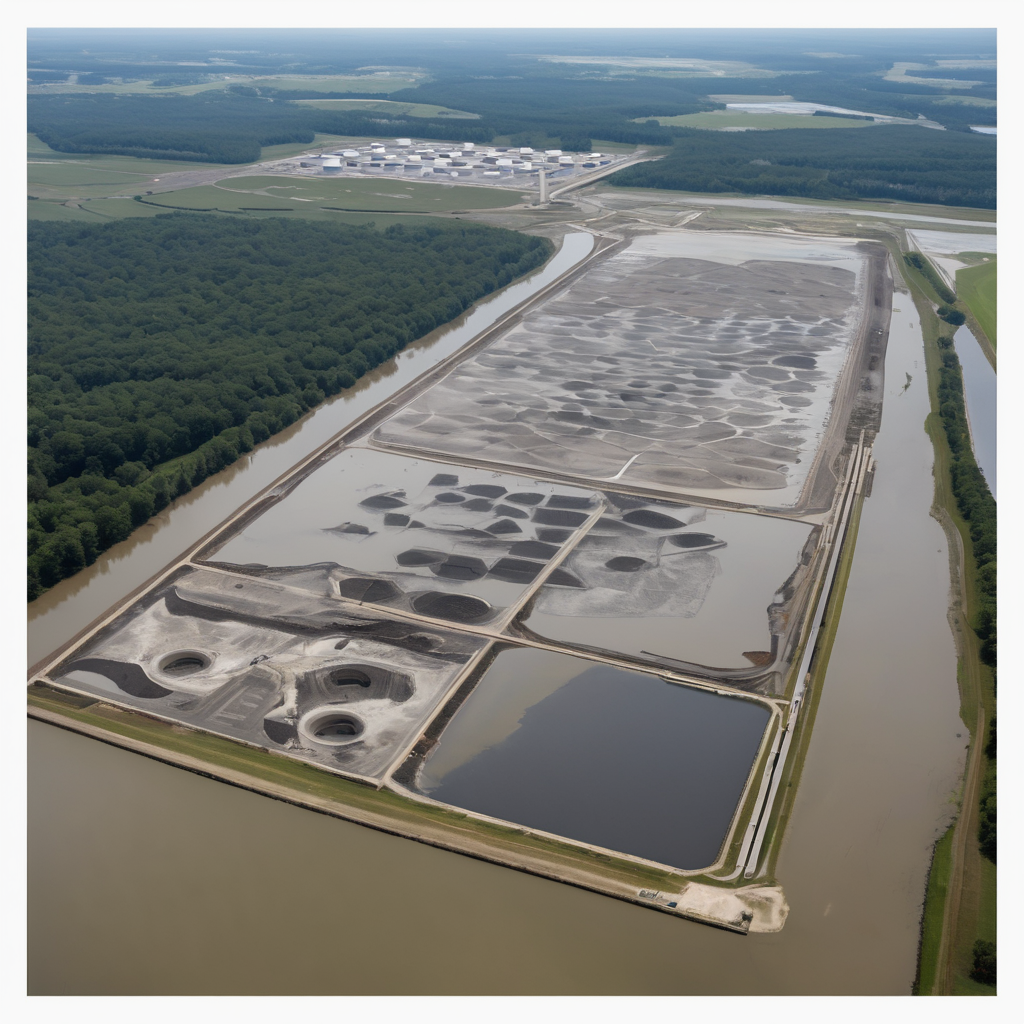
To understand why these regulatory changes matter, consider what coal ash represents in America's energy landscape. Every year, coal-fired power plants generate roughly 100 million tons of coal combustion residuals—a fine, cement-like waste product loaded with heavy metals including arsenic, mercury, and lead. For decades, much of this material was stored in unlined ponds that function like massive toxic lakes adjacent to power plants.
The current regulations, established during the Obama administration and refined under Trump, created the first federal standards governing coal ash disposal and cleanup. These rules required utilities to monitor groundwater contamination, close leaking ash ponds, and remediate contaminated sites according to specific timelines.
What's Actually Changing

While the EPA hasn't released detailed specifics of the proposed modifications, the regulatory framework appears headed toward greater flexibility for plant operators. This could manifest in several ways: extended cleanup timelines, alternative remediation standards, or modified monitoring requirements that reduce the frequency of groundwater testing.
For energy companies, these changes represent potential cost savings measured in hundreds of millions of dollars across their coal fleets. Cleanup projects at individual sites routinely cost $50-100 million, and utilities have argued that rigid federal timelines don't account for site-specific geological and technical challenges.
Environmental groups see a different calculus. They argue that coal ash contamination doesn't pause for regulatory convenience. Heavy metals continue leaching into groundwater systems regardless of whether cleanup schedules accommodate utility preferences.
The Community Impact Equation

Behind these regulatory debates lie real communities dealing with contaminated drinking water wells and property values diminished by proximity to leaking ash ponds. In North Carolina, Duke Energy has spent over $1 billion on coal ash cleanup following a massive 2014 spill. In Illinois, residents near coal plants have documented elevated levels of toxic metals in private wells.
The proposed changes could extend these community impacts by years or decades. When cleanup timelines stretch longer, more groundwater becomes contaminated, more private wells require replacement, and more families face uncertainty about their long-term health and property values.
Industry Economics vs Environmental Justice
The tension here reflects a fundamental challenge in environmental regulation: balancing economic impacts on regulated industries against public health protections for affected communities. Coal ash cleanup costs are substantial, and many utilities argue that overly prescriptive federal rules prevent them from developing more cost-effective remediation approaches.
But environmental justice advocates point out that communities near coal plants—often lower-income areas with limited political influence—bear the health risks of contamination while shareholders benefit from delayed cleanup costs. This isn't just about regulatory flexibility. It's about who pays the price when environmental protection gets deprioritized.
The proposed changes arrive as America's coal fleet continues its economic decline, with plant retirements accelerating due to competition from natural gas and renewables. This creates a perverse incentive structure: as coal plants become less profitable, operators have greater motivation to minimize cleanup costs, even as their environmental liabilities remain constant.
For energy consumers, the implications extend beyond immediate environmental concerns. Delayed cleanup often means higher long-term costs as contamination spreads and remediation becomes more complex. Communities may face decades of ongoing litigation and uncertainty, while ratepayers ultimately bear cleanup costs through utility rate structures.
The EPA's proposal represents more than regulatory adjustment. It's a fundamental test of whether environmental protection will keep pace with the energy transition, or whether communities will be left managing the toxic legacy of America's coal era long after the last plants have closed.