Virginia is about to make history in the energy world, but you might not hear about it on the evening news. A seemingly technical piece of legislation—the grid utilization bill—is poised to become law, and it could fundamentally reshape how Americans think about their electric grid.
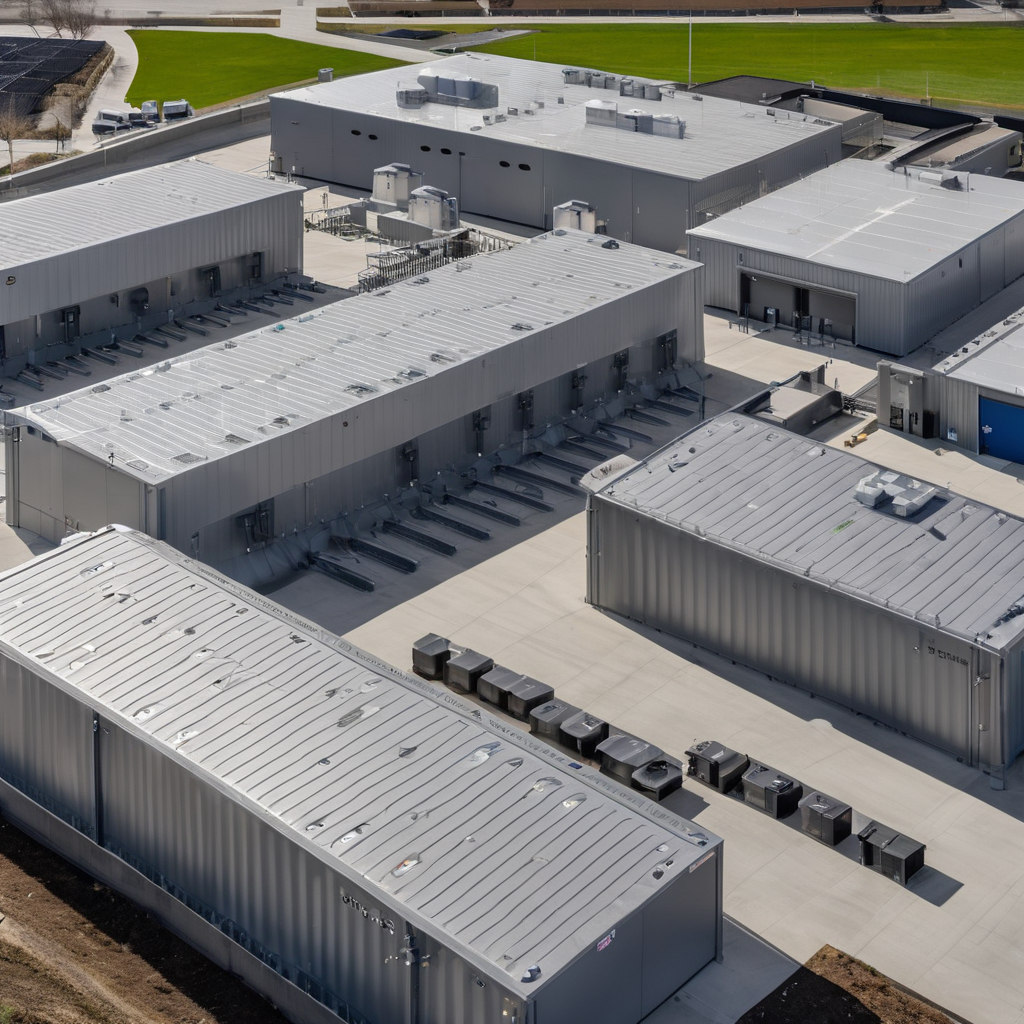
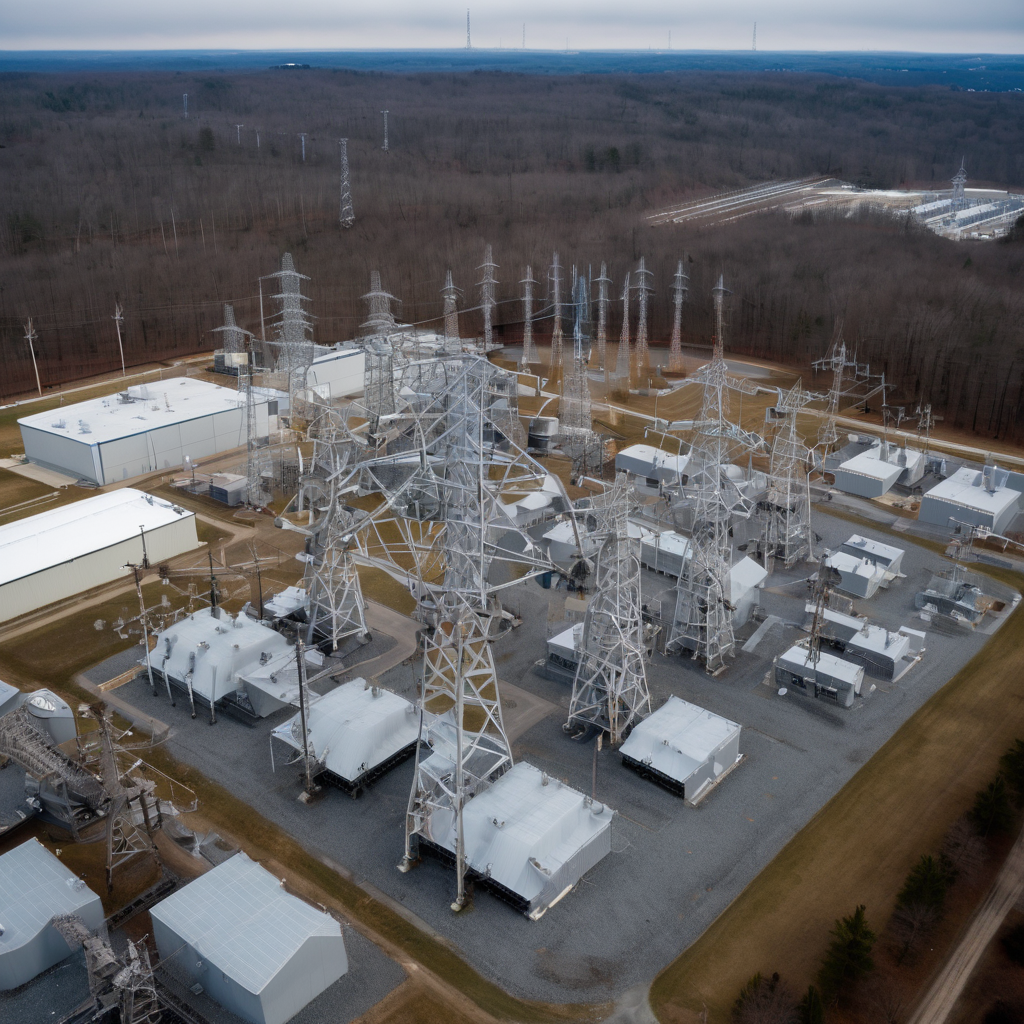
Think of today's electric grid like a highway system built for rush hour traffic that sits mostly empty for 20 hours a day. We've constructed this massive infrastructure to handle peak demand—those sweltering summer afternoons when every air conditioner in the state kicks into overdrive—but most of the time, we're dramatically underutilizing this trillion-dollar investment.
Virginia's new approach is like adding smart traffic management to those empty highways, squeezing more value from existing infrastructure rather than building costly new lanes.
The Hidden Economics of Grid Efficiency
Here's why this matters to every energy consumer: when utilities can't maximize their existing grid capacity, they build more power plants and transmission lines to meet peak demand. Those costs get passed directly to ratepayers through higher electricity bills.
A growing mountain of research suggests that increased grid utilization delivers broad benefits for both utilities and customers. By smoothing out demand peaks and encouraging electricity use during off-peak hours, utilities can defer expensive infrastructure investments while customers enjoy lower rates.
The economic implications are staggering. Studies indicate that even modest improvements in grid utilization could save American consumers billions annually in avoided infrastructure costs.
The Advanced Metering Revolution
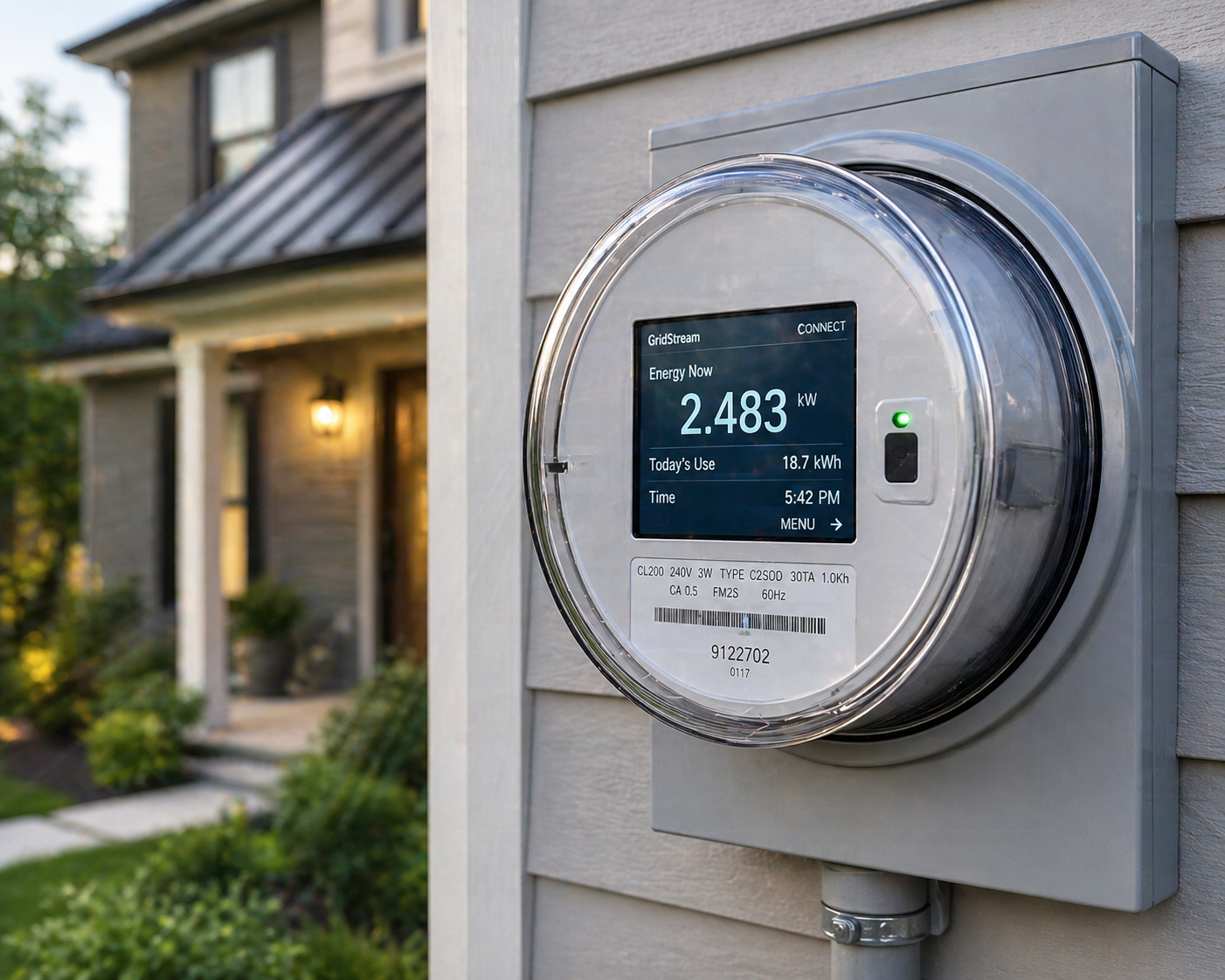
But here's the catch: unlocking the full potential of grid utilization requires sophisticated technology that many utilities are still deploying. Advanced metering infrastructure—the smart meters and communication networks that enable real-time grid management—serves as the nervous system for this new approach.
Without advanced metering, utilities are essentially flying blind. They can't see where electricity is being consumed in real-time, can't communicate price signals to customers, and can't orchestrate the delicate dance of supply and demand that makes grid optimization possible.
Virginia's legislation recognizes this technological prerequisite, creating a framework that encourages utilities to invest in the metering infrastructure necessary to maximize grid efficiency.
A Template for National Transformation
What happens in Virginia won't stay in Virginia. Other states are watching closely as the Commonwealth pioneers this approach to grid modernization. The lessons learned from Virginia's implementation could inform similar legislation across the country.
The timing couldn't be more critical. As America grapples with aging grid infrastructure, growing electricity demand from electric vehicles and heat pumps, and the integration of renewable energy sources, maximizing existing grid capacity becomes not just an economic imperative but a strategic necessity.
For energy consumers, Virginia's grid utilization law represents more than regulatory innovation—it's a glimpse into a future where smart technology transforms our relationship with electricity from a one-way transaction into an intelligent, dynamic partnership that benefits everyone plugged into the system.