The honeymoon is over for America's data center boom. What began as a welcome mat rolled out for tech infrastructure promising jobs and tax revenue has quickly soured into a neighborhood fight over who pays the real cost of artificial intelligence's voracious appetite for electricity.
Think of it as the ultimate energy freeloading problem: data centers consume power equivalent to entire cities while residential customers watch their bills climb to subsidize grid upgrades. It's a classic case of privatized profits meeting socialized costs, and communities across the country are starting to revolt.
The math is stark and getting starker. A single large-scale AI training facility can consume as much electricity as 50,000 homes, yet current utility rate structures often shield these massive consumers from the true cost of their grid impact. Meanwhile, families see their monthly bills rise to fund infrastructure upgrades they didn't request and don't directly benefit from.
The Economics of Energy Inequity
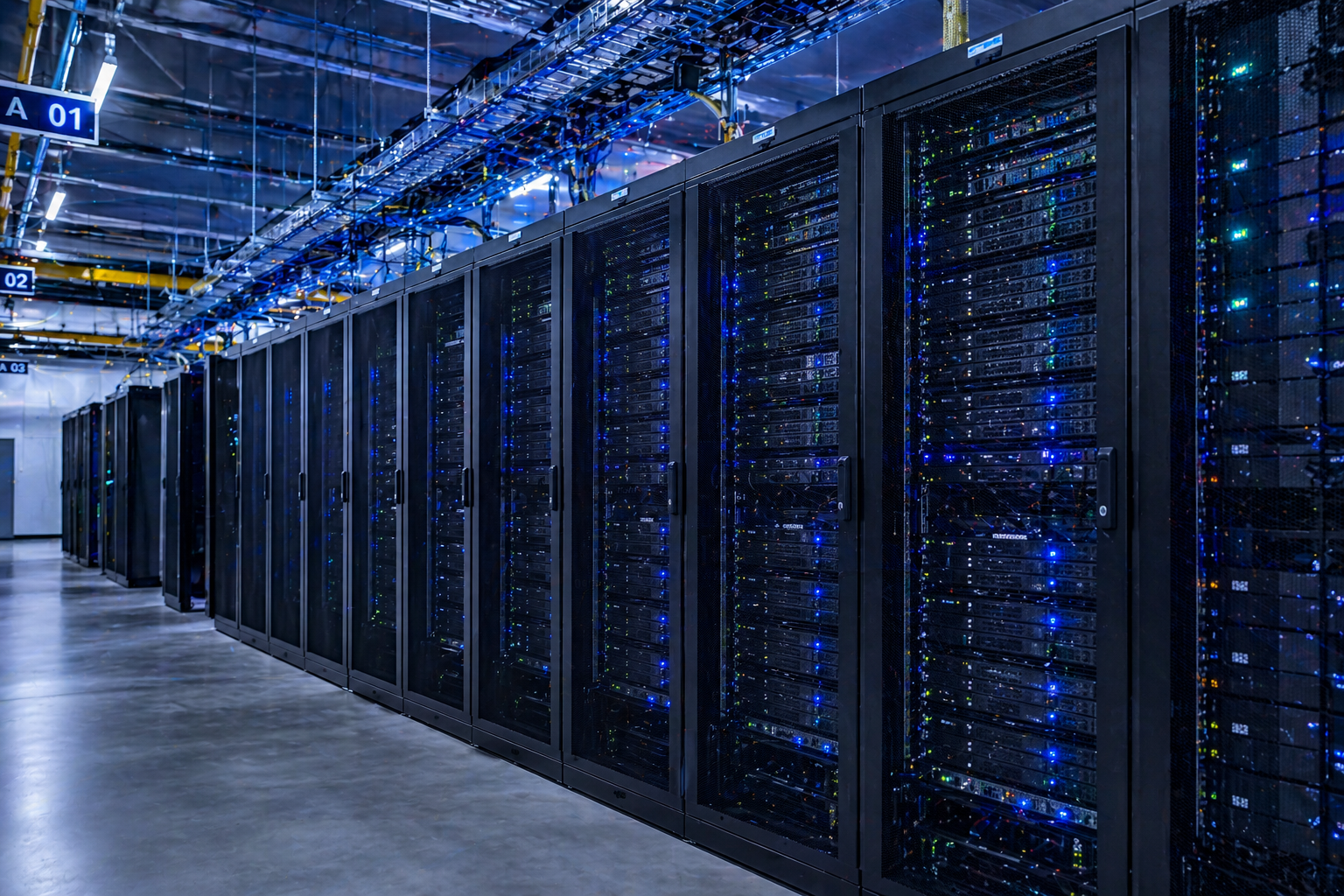
The current system operates like a restaurant where the biggest eater splits the check equally with everyone else. Data centers benefit from economies of scale in their electricity rates, often paying less per kilowatt-hour than residential customers despite placing exponentially more stress on grid infrastructure.
This arrangement made sense when industrial customers provided steady, predictable load that helped utilities maintain grid stability. But AI workloads behave differently. They spike unpredictably, demand instant response, and require massive backup power systems that sit idle most of the time, all while ratepayers fund the infrastructure to support these capabilities.
Economic reciprocity isn't just a nice-to-have policy concept; it's becoming a political necessity. Communities in Virginia, Texas, and Ohio are already pushing back against data center developments, citing concerns about grid reliability and cost allocation. Without addressing these fundamental fairness issues, the social license for AI infrastructure will continue eroding.
Redesigning Rates for Grid Reality
The solution lies in smarter rate design that reflects actual grid impact rather than simple consumption metrics. Utilities need pricing structures that penalize grid stress during peak periods while rewarding flexibility and load shifting.
Consider dynamic pricing models that charge premium rates during high-demand periods and offer discounts for facilities that can rapidly reduce consumption when the grid is stressed. This approach transforms data centers from grid liability into grid asset, incentivizing operators to invest in energy storage, demand response capabilities, and more efficient cooling systems.
Some forward-thinking utilities are already experimenting with these models. Time-of-use rates, demand response programs, and grid services payments create financial incentives for data centers to become more flexible consumers rather than inflexible energy hogs.
Building Community Buy-In Through Shared Benefits
Smart data center developers are recognizing that community opposition can kill projects faster than any regulatory hurdle. The most successful facilities are those that create tangible local benefits beyond basic tax revenue and construction jobs.
This means district energy systems that use waste heat from servers to warm nearby buildings, microgrids that enhance local energy resilience, and workforce development programs that train local residents for high-paying technical jobs. When communities see direct benefits from data center operations, opposition transforms into support.
The key is moving beyond the traditional economic development playbook of promising jobs and tax revenue toward creating integrated energy infrastructure that serves multiple community needs. Data centers that function as community energy resources rather than energy drains face far less resistance.
The Path Forward: Regulation Meets Innovation
Regulators hold the key to rebalancing this equation, but they need to act before public opposition hardens into permanent resistance. This means updating utility rate structures to reflect grid impact, requiring community benefit agreements for large energy consumers, and ensuring that infrastructure costs are allocated fairly.
The technology exists to make data centers better grid citizens. Advanced cooling systems, on-site renewable generation, battery storage, and intelligent load management can transform these facilities from grid burden to grid resource. But without proper price signals and regulatory requirements, market forces alone won't drive these investments.
Policy innovation must keep pace with technological innovation. States like California and New York are already exploring performance-based rates and grid services markets that reward flexible consumption. These models need to expand nationwide before the backlash against AI infrastructure becomes insurmountable.
The future of America's AI infrastructure depends on solving this social license problem now. Communities won't indefinitely subsidize the computing power that drives technological progress while watching their own energy costs rise. Smart policy, fair pricing, and genuine community partnership offer a path forward—but only if stakeholders act before the window closes entirely.