America's nuclear industry sits on a paradox as old as the atom itself: the very fuel that powers our carbon-free future becomes our most enduring waste challenge. But what if that waste isn't really waste at all?
A new report from the Energy Innovation Reform Project suggests that robust commercial nuclear fuel recycling could fundamentally reshape this equation, dramatically reducing both the volume and toxicity of radioactive waste while slashing our dependence on fresh uranium mining. It's a proposition that could transform nuclear energy from a storage headache into a circular economy success story.
The Hidden Value in Nuclear 'Waste'
When most people think of spent nuclear fuel, they envision glowing green rods destined for thousand-year storage in underground vaults. The reality is far more nuanced, and potentially valuable. Used nuclear fuel retains roughly 95% of its original energy content, making it less like ash from a fireplace and more like a half-empty gas tank.
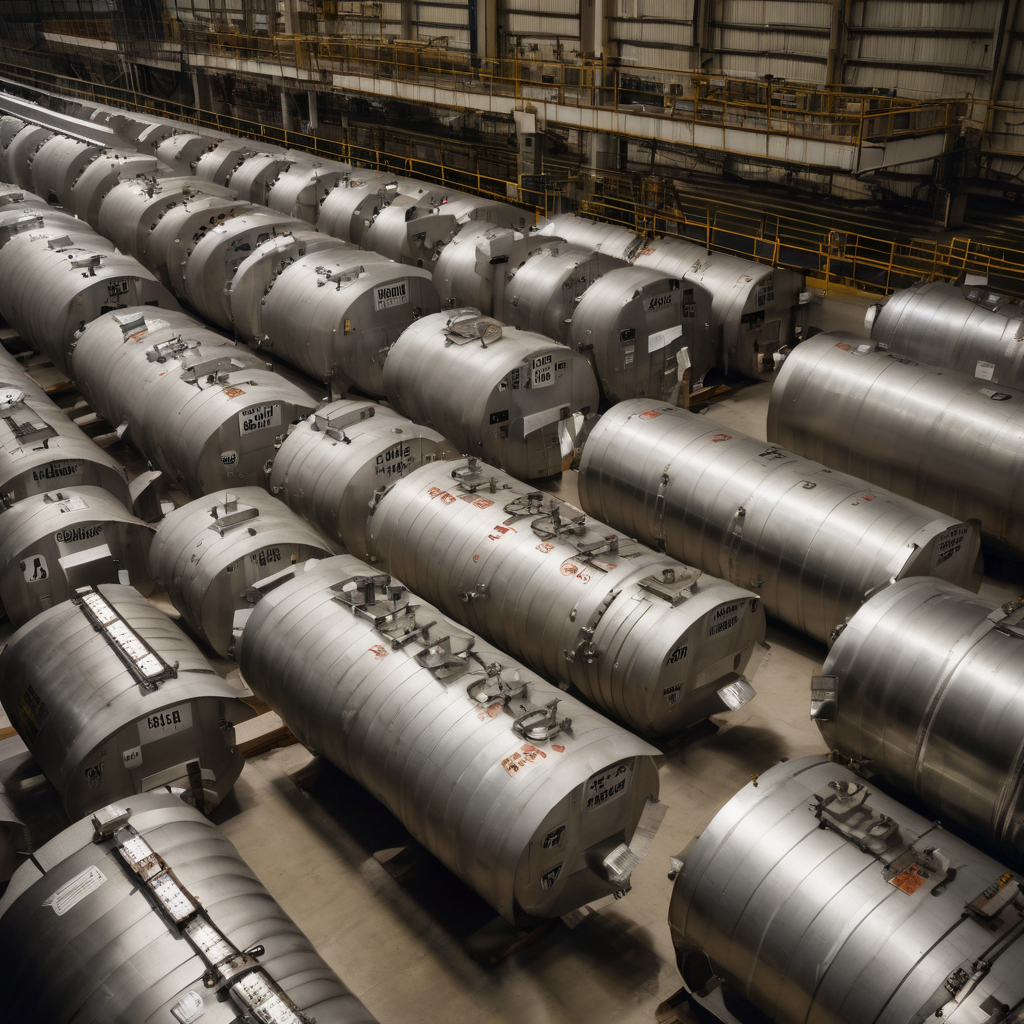
Current practice treats this energy-rich material as a liability. The United States has accumulated over 90,000 metric tons of spent nuclear fuel, stored temporarily at reactor sites across the country while politicians debate permanent disposal solutions. Meanwhile, utilities continue purchasing newly mined uranium to feed their reactors, creating what experts describe as a "use once and store forever" approach that defies both economic and environmental logic.
Why Recycling Makes Economic Sense Now
The mathematics of nuclear recycling have shifted dramatically in recent years. Rising uranium prices, coupled with growing concerns about supply chain security, have made the prospect of extracting usable fuel from existing stockpiles increasingly attractive. France has operated commercial recycling facilities for decades, reprocessing spent fuel to extract plutonium and unused uranium for new reactor fuel.
But the American context presents unique opportunities. The sheer scale of accumulated spent fuel in the United States represents a massive untapped energy resource—enough to power the entire country for several years without mining a single pound of new uranium.
The environmental benefits extend beyond waste reduction. Uranium mining carries significant ecological costs, from habitat disruption to groundwater contamination. Indigenous communities, who disproportionately bear the burden of mining operations, could see reduced pressure on their lands as recycling displaces extraction.
The Technology Challenge
Nuclear fuel recycling isn't simply a matter of political will. It requires sophisticated technology and substantial infrastructure investment. The process involves dissolving spent fuel in acid, chemically separating usable materials, and fabricating new fuel assemblies. Each step demands precise engineering and strict safety protocols.
Current recycling technologies, primarily based on the PUREX process developed in the 1940s, face criticism for producing separated plutonium that could theoretically be diverted for weapons use. However, newer approaches like pyroprocessing promise to extract usable materials without creating weapons-usable separation, addressing proliferation concerns that have historically stalled American recycling efforts.
What This Means for Energy Consumers

For ordinary Americans, successful nuclear fuel recycling could translate into more stable electricity prices and enhanced energy security. By reducing dependence on uranium imports—currently about 95% of U.S. uranium consumption comes from foreign sources—recycling could insulate American consumers from global commodity price swings and geopolitical disruptions.
The waste storage benefits carry financial implications too. Reducing the volume of high-level waste requiring permanent disposal could lower the long-term costs ultimately borne by ratepayers through utility bills and federal spending.
Perhaps most importantly, viable fuel recycling could help nuclear power maintain its role as a carbon-free baseload energy source, supporting broader decarbonization goals while providing the grid stability that intermittent renewable sources cannot match.
The path forward requires coordinated action from industry, regulators, and policymakers to develop recycling infrastructure and update regulatory frameworks designed for a "once-through" fuel cycle. But the potential rewards—transforming nuclear waste from burden to resource—make this one of the most compelling opportunities in America's clean energy transition.