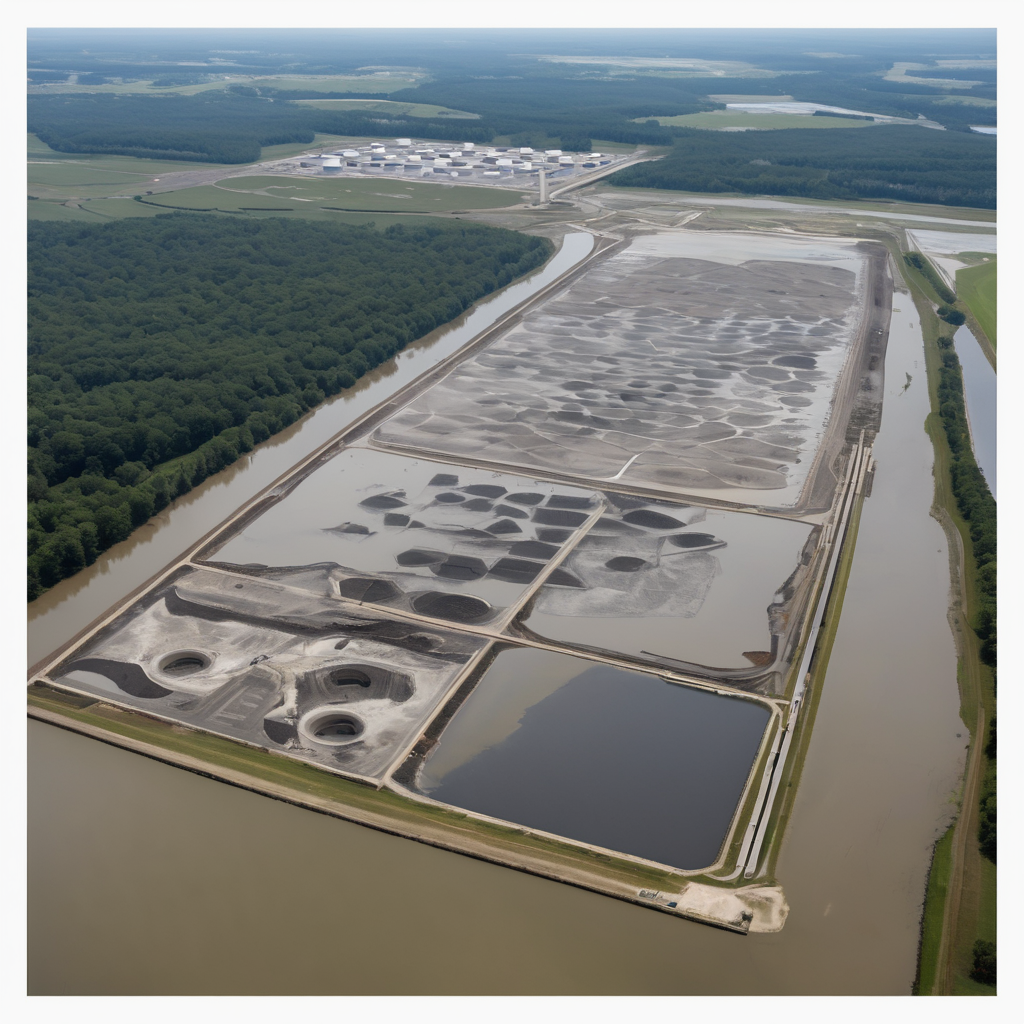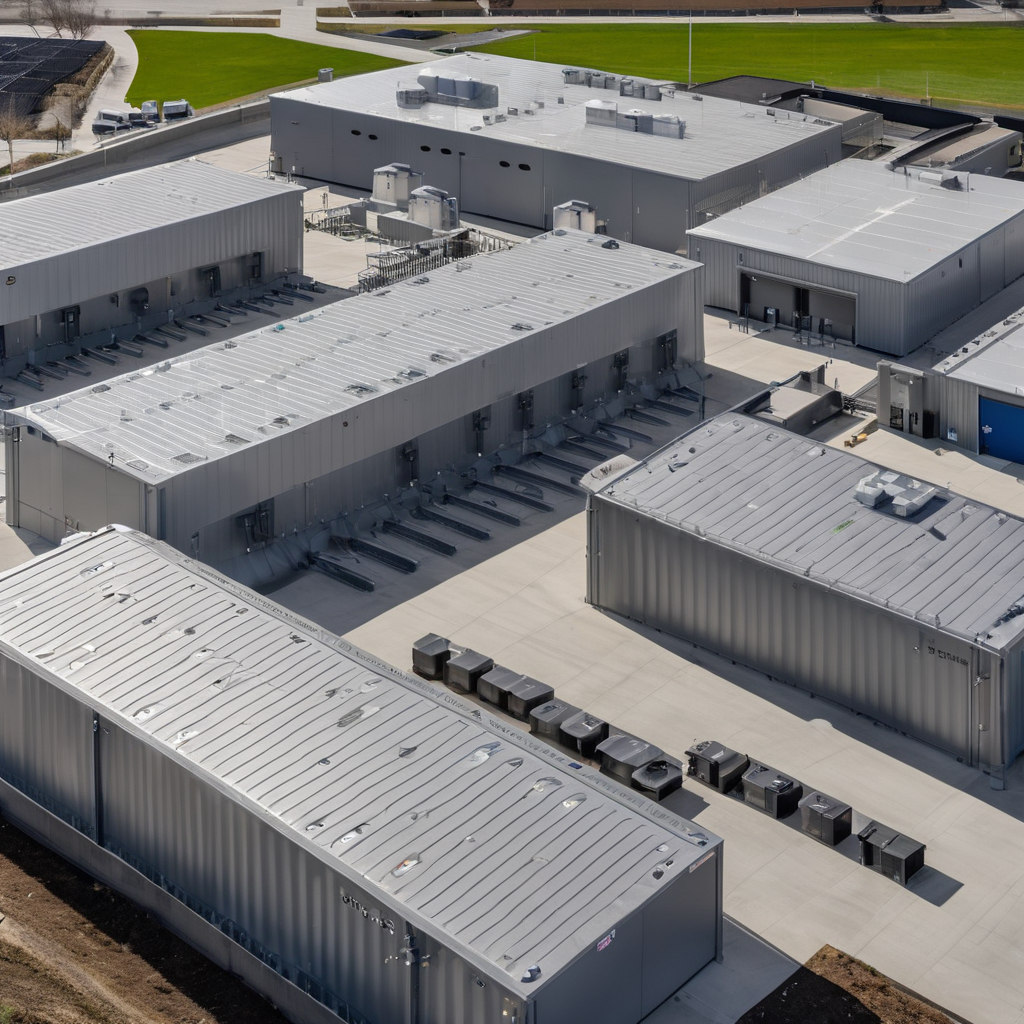
The energy storage market is experiencing its first major pricing schism, with costs beginning to diverge sharply based on project type and customer base. Like a river splitting into tributaries, what was once a relatively uniform pricing landscape is now fracturing into distinct channels, each flowing toward different economic realities.
This market evolution signals a fundamental shift in how energy storage is valued and deployed across the grid. For consumers and businesses evaluating storage investments, understanding these emerging price tiers could mean the difference between paying premium rates and securing competitive deals.
The Great Divide: Data Centers Drive Premium Pricing
According to new analysis from Anza Renewables, battery developers are increasingly focusing their efforts on larger-scale projects, particularly those serving data centers and independent power producers. This strategic pivot is creating a two-tiered market structure that resembles the airline industry's business versus economy class pricing model.
Data centers, with their massive power appetites and reliability requirements, represent the premium segment. These facilities consume electricity around the clock and cannot tolerate even brief outages without risking significant financial losses. As artificial intelligence and cloud computing demands surge, data center operators are willing to pay top dollar for storage solutions that guarantee uninterrupted power supply. Battery developers are following the money trail, and that trail leads directly to the data center boom.
Independent Power Producers Join the Premium Tier
Independent power producers (IPPs) occupy the other half of the premium market segment. These companies, which generate electricity for sale to utilities and large customers, require sophisticated storage systems capable of managing complex grid interactions and revenue optimization strategies.
Unlike residential or small commercial customers who primarily use storage for backup power or basic load shifting, IPPs deploy storage as active revenue-generating assets. They participate in multiple market streams simultaneously – from energy arbitrage to frequency regulation services – creating value propositions that justify higher equipment costs.
This sophisticated use case demands advanced battery management systems, precise grid integration capabilities, and robust performance monitoring – all features that command premium pricing in today's market.
What This Means for Energy Consumers
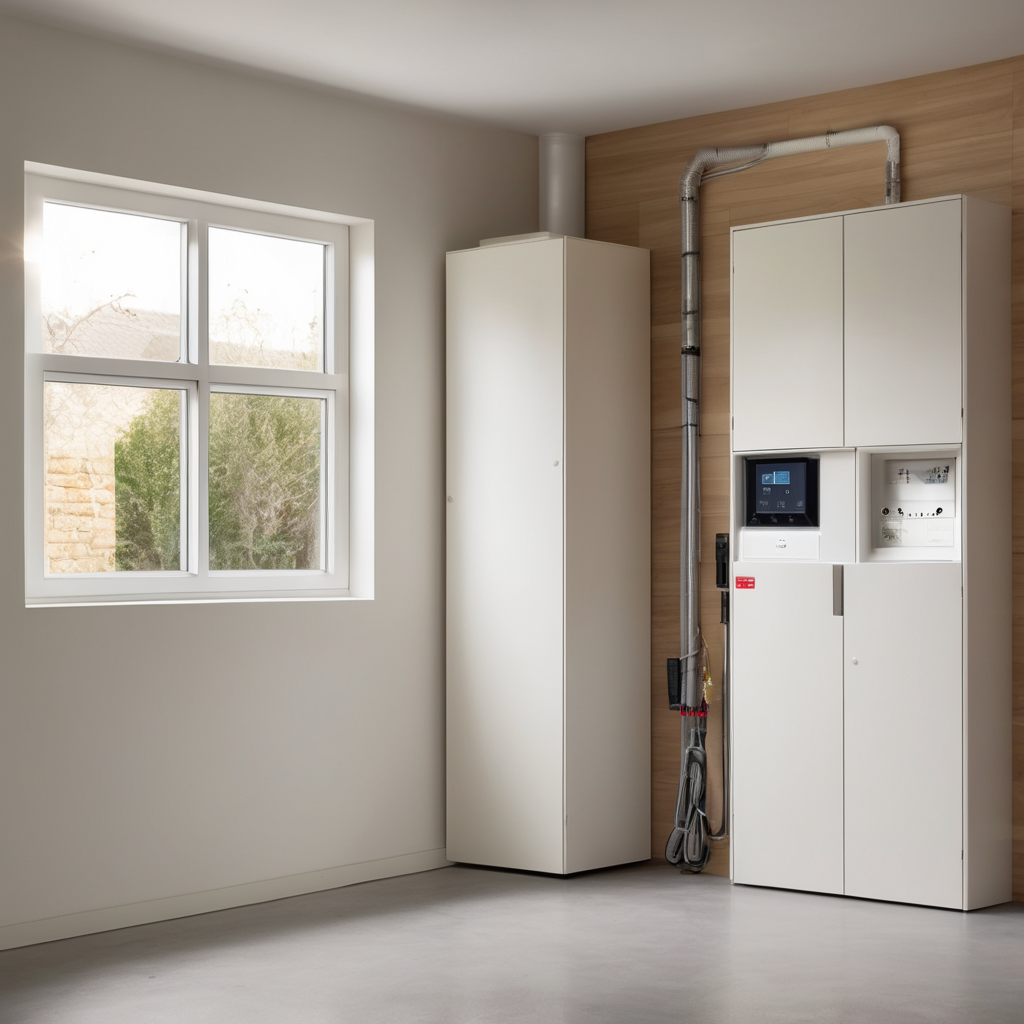
For residential and small commercial customers, this market fracturing presents both challenges and opportunities. On one hand, the industry's focus on large-scale, high-margin projects could mean less innovation and competitive pressure in the smaller customer segments.
However, this dynamic also suggests that residential storage customers might benefit from more standardized, cost-optimized products as manufacturers seek to differentiate their mass-market offerings from premium enterprise solutions.
The pricing split also reflects the maturing energy storage industry's natural evolution toward market segmentation. Just as the automotive industry offers everything from economy cars to luxury vehicles, energy storage is developing distinct product tiers tailored to specific customer needs and budgets.
The energy storage market is no longer one-size-fits-all, and pricing strategies are finally reflecting the diverse ways customers deploy these systems.
As this market fragmentation continues, consumers and businesses must navigate an increasingly complex landscape where understanding your specific use case becomes crucial to securing appropriate pricing and technology solutions. The days of uniform storage pricing are ending, replaced by a more nuanced market that rewards scale and sophistication while potentially offering more targeted solutions for different customer segments.