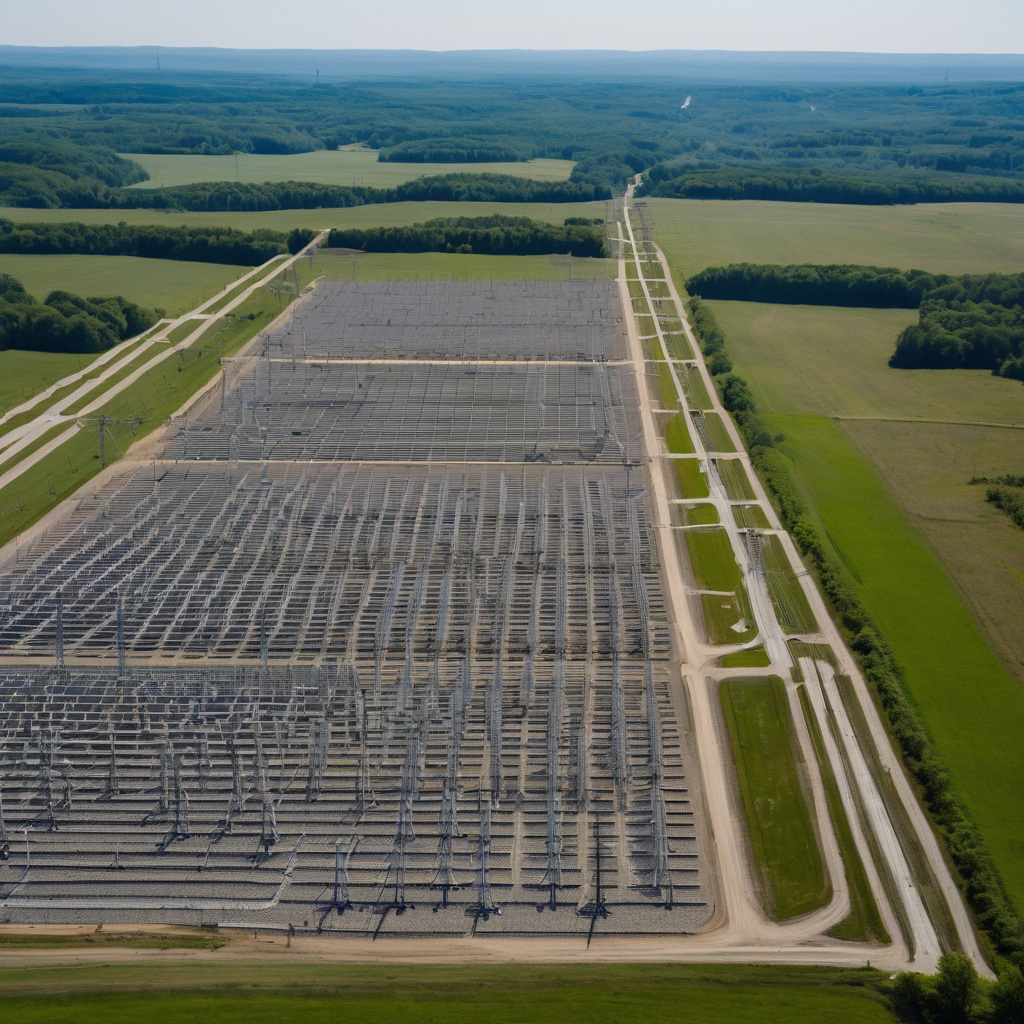
The electricity market that keeps the lights on for 65 million Americans is broken, and its operators are sounding the alarm with unprecedented urgency. PJM Interconnection, the regional transmission organization that manages the grid across 13 states and Washington D.C., is confronting a capacity market crisis that threatens the reliability of power supplies from Illinois to New Jersey.
Think of capacity markets as insurance policies for electricity. While energy markets pay power plants for the electricity they actually produce, capacity markets pay them simply for being available when needed—like paying firefighters to stay ready even when there's no fire. But PJM's capacity market has become a maze of conflicting policies, creating perverse incentives that could leave consumers in the dark when demand peaks.
“The current situation is not tenable. The region has years, not decades, to make these choices deliberately,” PJM President and CEO David Mills warned.
The Perfect Storm Brewing in America's Power Grid
Multiple forces are colliding to create this crisis. Climate policies are accelerating the retirement of coal and gas plants, while the same policies are driving massive growth in renewable energy that produces power intermittently. Meanwhile, data centers, electric vehicle charging, and industrial electrification are creating new demand patterns that stress the grid in unprecedented ways.
The result is a capacity market that's struggling to ensure adequate power supplies during extreme weather events, precisely when the grid faces its greatest tests. Winter Storm Elliott in December 2022 offered a preview of what's at stake, when PJM came within hours of rolling blackouts as natural gas plants failed in frigid temperatures.
For consumers, this isn't an abstract policy debate. A poorly designed capacity market translates directly into higher electricity bills and increased risk of outages. When capacity markets fail to incentivize the right mix of resources, ratepayers ultimately bear the costs through emergency purchases of expensive power or, worse, the economic damage of blackouts.
Three Paths Forward, Each With High Stakes

PJM is floating several options for overhauling its capacity market, each representing a different philosophy about how to balance reliability, affordability, and environmental goals. The stakes couldn't be higher: get it wrong, and the region risks either unreliable power supplies or unnecessarily expensive electricity.
The first option involves refining the current auction system, tweaking rules to better account for the changing resource mix. This incremental approach appeals to those who want to preserve existing market structures while addressing their most glaring flaws. But critics argue that tweaking a fundamentally broken system is like rearranging deck chairs on the Titanic.
A second path would create separate markets for different types of grid services. One for energy, another for reliability, and yet another for environmental attributes. This approach promises more precise price signals but risks creating a complex web of overlapping markets that could be difficult for both regulators and market participants to navigate.
Why This Matters Beyond PJM's Borders
While PJM's capacity market crisis is playing out in the Mid-Atlantic and Midwest, its resolution will reverberate across the entire U.S. electricity sector. Other regional grid operators are watching closely, knowing they face similar challenges as the energy transition accelerates.
The solutions that emerge from PJM's deliberations could become templates for capacity markets nationwide. Success could demonstrate how to maintain grid reliability while accommodating large amounts of renewable energy. Failure could set back efforts to decarbonize the electricity sector while maintaining affordable, reliable power.
Moreover, PJM's decisions will influence billions of dollars in investment decisions. Power plant developers, renewable energy companies, and energy storage providers are all waiting to see what market signals will guide their capital allocation over the next decade.
The clock is ticking, and the pressure is mounting. As Mills emphasized, this isn't a problem that can be kicked down the road. The choices made in the next few years will determine whether America's largest electricity market can navigate the energy transition without sacrificing the reliability that modern life demands. For the millions of consumers who depend on PJM's grid, the stakes couldn't be higher.