Pacific Gas & Electric has crossed a threshold that seemed unimaginable just two decades ago: more than one million customers have now connected solar panels to the utility's grid. It's a milestone that transforms PG&E from a traditional power distributor into something resembling the conductor of a vast, decentralized orchestra.
Think of it this way: PG&E's grid once operated like a river, with electricity flowing in one direction from massive power plants to homes and businesses. Now it's becoming more like a circulatory system, with energy flowing back and forth through countless capillaries as rooftop solar panels pump power back into the network during sunny afternoons.
The Grid's Great Transformation
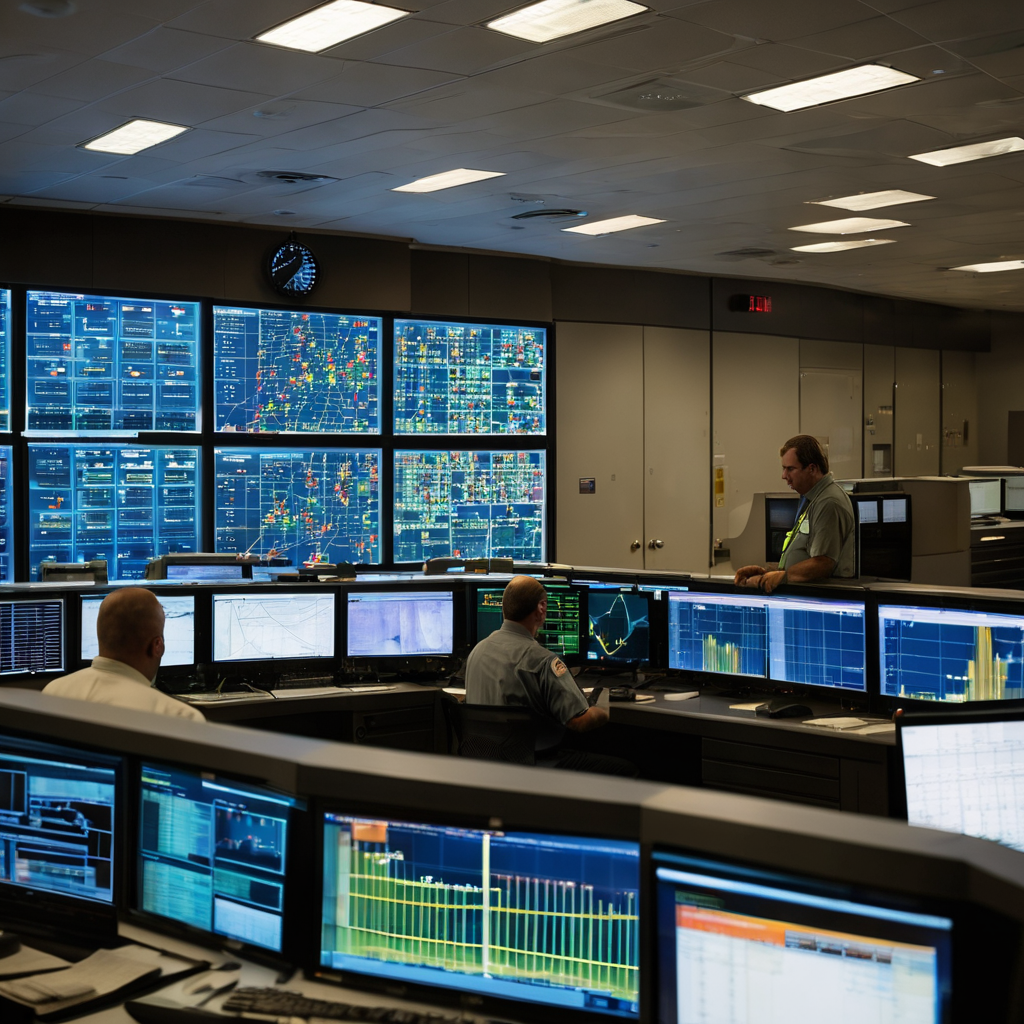
This shift represents more than just impressive numbers. It's fundamentally rewiring how California's largest utility operates. "We're moving from a one‑way grid to an interactive system where customer energy resources are increasingly part of the solution," PG&E stated, acknowledging what energy experts have long predicted: the future belongs to distributed generation.
For consumers, this transformation carries profound implications. As more neighbors install solar panels, the entire grid becomes more resilient and less dependent on distant power plants. During peak demand periods, when air conditioners hum across the state, these million-plus solar installations help shoulder the load right where it's needed most.
Why This Matters Beyond California
PG&E's milestone serves as a preview of America's energy future. Other utilities nationwide are watching California's experiment closely, recognizing that they too will need to evolve from simple power deliverers to managers of complex, bidirectional energy networks.
The technical challenges are immense. Traditional grids were designed for predictable, controllable power sources. Solar energy arrives in waves—abundant at midday, absent at night, variable with weather patterns. Utilities must now balance supply and demand with millions of small, independent power producers rather than a handful of large plants.
The Economics of Distributed Power
This transformation also reshapes the economic relationship between utilities and customers. Solar customers become both energy consumers and producers, selling excess power back to the grid through net metering programs. It's creating a more complex but potentially more equitable energy economy where homeowners can offset their electricity bills while contributing to grid stability.
For PG&E, managing this new reality requires sophisticated forecasting, advanced grid technologies, and flexible pricing structures. The utility must predict not just how much power customers will use, but how much they'll produce—and when.
The million-customer milestone represents a fundamental shift from centralized to distributed power generation, with profound implications for grid stability, energy costs, and climate goals.
As California continues leading the nation's renewable energy transition, PG&E's million-customer milestone stands as proof that the grid of the future isn't just possible—it's already here, humming quietly on rooftops across the Golden State. The question now isn't whether other utilities will follow this path, but how quickly they can adapt to a world where every customer is potentially a power plant.