

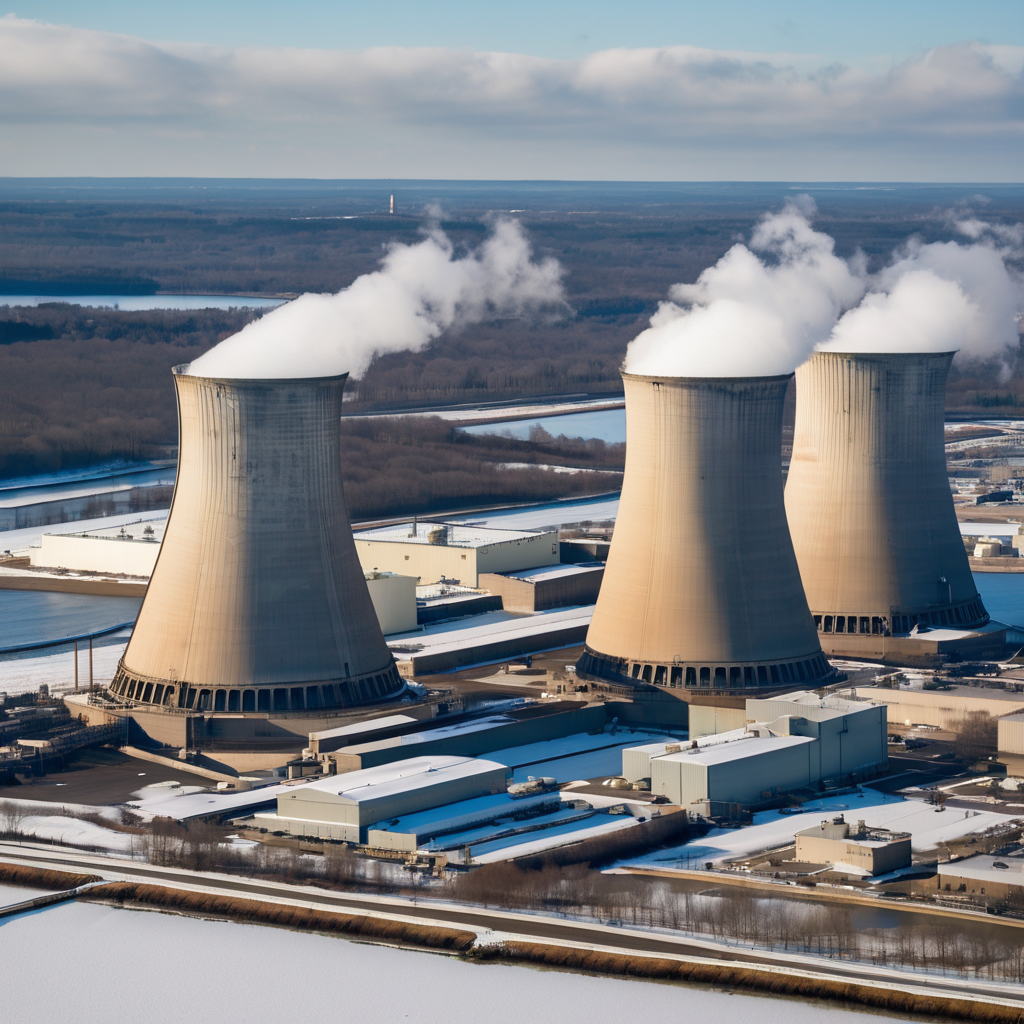
The Garden State's nuclear landscape just shifted dramatically. After years of regulatory gridlock, New Jersey has lifted its moratorium on new nuclear power plants, opening the door to what could be the most significant energy infrastructure buildout in decades. But don't expect groundbreaking ceremonies just yet.
Ralph LaRossa, CEO of Public Service Enterprise Group (PSEG), sees the policy change as a crucial first step rather than a finish line. Speaking candidly about the nuclear industry's revival prospects, LaRossa painted a picture that's equal parts optimistic and pragmatic: nuclear power can return to New Jersey, but only with the right financial foundation.
The Federal Support Imperative
Think of nuclear power development like building a cathedral. It requires not just vision and engineering prowess, but sustained commitment across decades. LaRossa emphasized that long-term federal financial support remains the cornerstone of any viable nuclear project in the state.
This isn't merely about startup capital. Nuclear plants represent some of the most capital-intensive infrastructure projects in the energy sector, with costs that can stretch into the tens of billions. Without federal backing—whether through loan guarantees, tax incentives, or direct funding—private developers face financial risks that few investors can stomach.
"Nuclear power plants won't be built without long-term federal financial support and hyperscaler offtake agreements," LaRossa stated, highlighting the twin pillars needed for nuclear revival.
The Hyperscaler Connection

Here's where the story gets particularly interesting for energy consumers. LaRossa's mention of hyperscaler offtake agreements points to a fundamental shift in how nuclear power might find its market in the 21st century.
Hyperscalers (think Amazon Web Services, Microsoft Azure, and Google Cloud) operate massive data centers that consume electricity around the clock. Unlike traditional industrial customers, these tech giants need consistent, carbon-free power to meet their aggressive climate commitments. Nuclear power, with its ability to generate clean electricity 24/7 regardless of weather conditions, represents an almost perfect match.
This partnership model could revolutionize nuclear economics. Instead of relying solely on volatile electricity markets, new nuclear plants could secure long-term contracts with hyperscalers, providing the revenue certainty that makes massive infrastructure investments viable.
What This Means for New Jersey Energy Consumers
For Garden State residents and businesses, PSEG's nuclear optimism carries significant implications. Nuclear power could provide a stable, carbon-free baseload that complements the state's growing renewable energy portfolio without the intermittency challenges of solar and wind.
More nuclear capacity could also mean greater energy security and potentially more stable electricity prices over the long term. While nuclear plants require enormous upfront investments, their operating costs remain relatively low and predictable over their 60-80 year lifespans.
However, consumers shouldn't expect immediate changes to their energy bills. Nuclear development timelines stretch across decades, from initial planning through regulatory approval to construction and commissioning. Even with New Jersey's moratorium lifted, any new nuclear capacity likely remains years away from powering homes and businesses.
The lifting of New Jersey's nuclear moratorium represents more than a policy shift—it's a signal that states are reconsidering nuclear power's role in achieving clean energy goals. But as LaRossa's comments make clear, regulatory permission is just the beginning. The real work of nuclear revival lies in assembling the financial partnerships and federal support needed to turn possibility into reality.


