


Wisconsin's energy landscape is about to get a lot more complicated—and expensive. A senior utility executive's recent comments suggest the state is bracing for a wave of data center construction that could fundamentally alter how electricity is generated, distributed, and priced across the region.
The implications stretch far beyond corporate boardrooms and server farms. When utilities start preparing for massive new power loads, it's consumers who ultimately foot the bill through rate adjustments, infrastructure upgrades, and the complex dance of supply and demand that governs modern electricity markets.
The Data Center Gold Rush Hits the Midwest
Think of data centers as the digital equivalent of steel mills. Massive industrial facilities that consume enormous amounts of electricity around the clock. Unlike traditional manufacturing, however, these facilities never sleep, never take holidays, and never reduce their appetite for power. They're the backbone of cloud computing, artificial intelligence, and the streaming services that define modern life.
Wisconsin utility executives are reading the tea leaves, and what they see is unprecedented demand. The state's combination of relatively stable weather, available land, and existing transmission infrastructure makes it an attractive target for tech companies looking to expand their digital footprint.
But here's where it gets interesting for everyday energy consumers: data centers don't just plug into the wall like your laptop. They require dedicated transmission lines, backup power systems, and cooling infrastructure that can strain existing grid capacity.
Infrastructure Reality Check
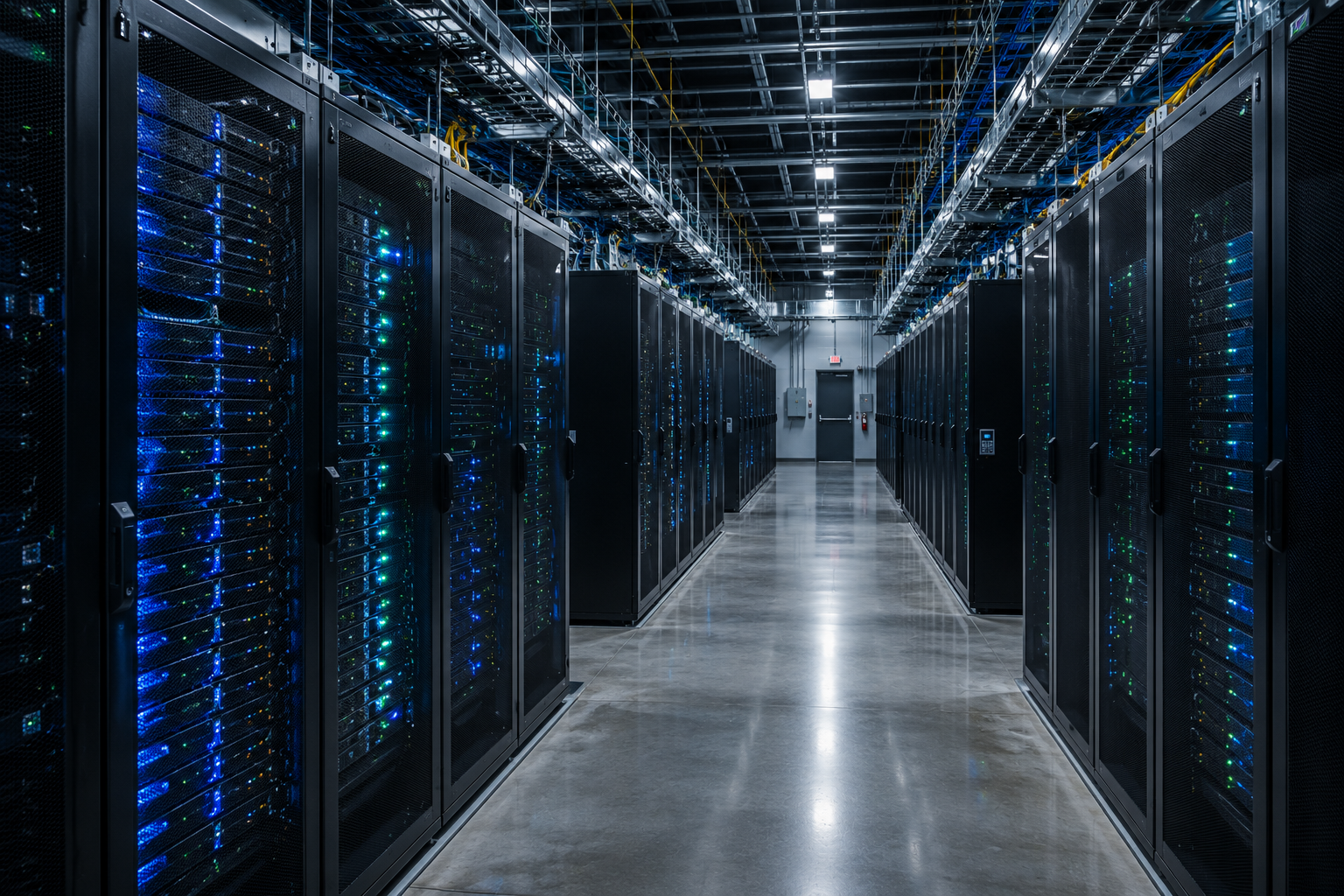
The utility sector operates on decade-long planning cycles, which means today's conversations about potential data centers translate into tomorrow's rate increases and grid modifications. When executives start publicly discussing major load additions, it's because the engineering teams are already running scenarios and calculating costs.
Wisconsin's electrical grid, like most Midwest systems, was designed for a different era, one where industrial demand was predictable and residential usage followed familiar patterns. Data centers represent a new category entirely: massive, constant loads that can equal the power consumption of entire cities. These facilities that can consume 100 megawatts or more—enough electricity to power 75,000 homes.
The Consumer Cost Connection
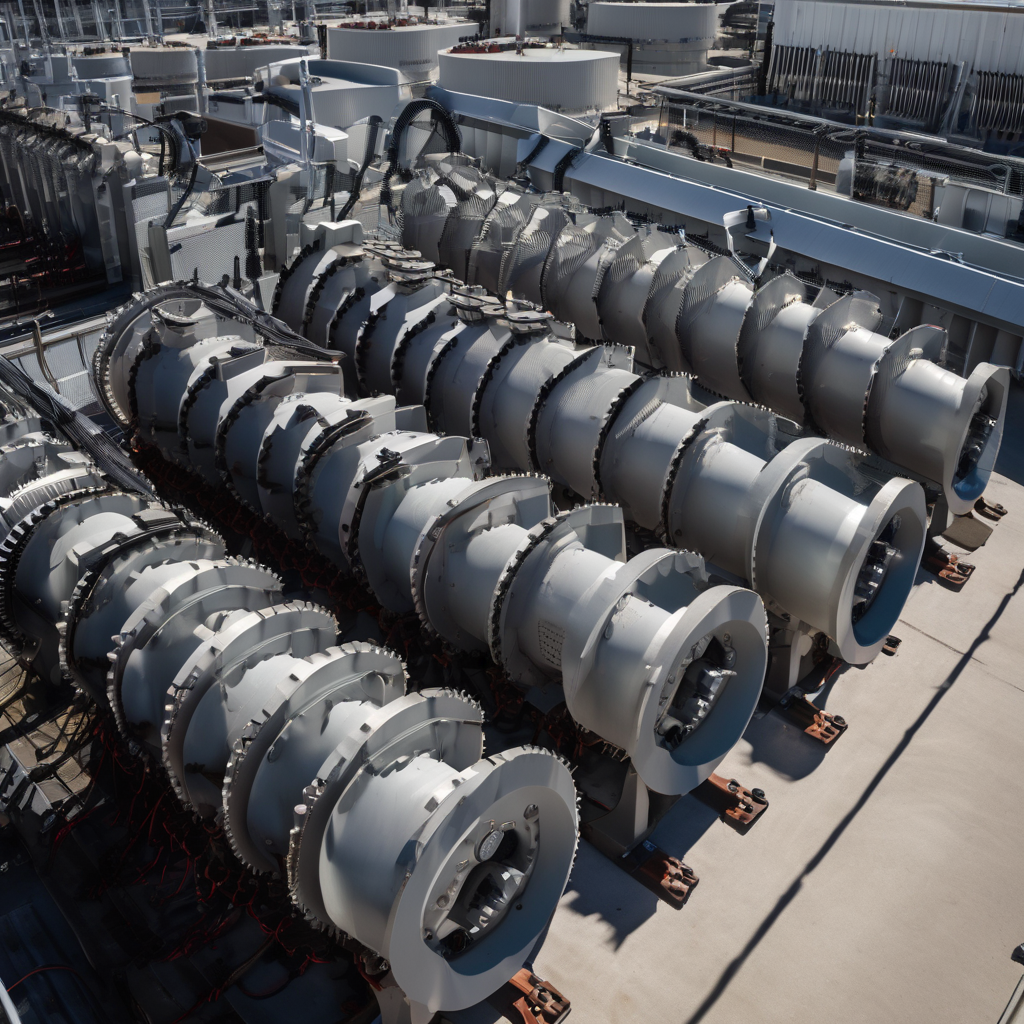
Here's what utility executives won't say directly: someone has to pay for all this new infrastructure. Rate structures in most states socialize the costs of grid improvements, meaning residential and commercial customers share the burden of upgrades needed to serve new industrial loads.
The math is straightforward but the politics are complex. Data centers bring jobs and tax revenue, but they also require transmission line upgrades, substation modifications, and sometimes entirely new generation capacity. These costs get rolled into rate base calculations that affect everyone's monthly bill.
Wisconsin consumers should pay attention to these early signals because they preview years of infrastructure investment and regulatory proceedings that will shape energy costs across the state.
Beyond the Immediate Impact
The broader trend reflects a fundamental shift in American electricity consumption. For decades, power demand grew slowly and predictably. The data center boom, combined with electric vehicle adoption and industrial electrification, is creating demand patterns that challenge traditional utility planning models.
Wisconsin's situation mirrors developments across the Midwest and Southeast, where utilities are grappling with unprecedented industrial load growth. The companies that adapt successfully will shape regional energy markets for the next generation. Those that miscalculate face stranded costs and regulatory challenges that could prove devastating.
For Wisconsin residents, the message is clear: the state's energy future is being written now, in utility boardrooms and regulatory filings that will determine both grid reliability and electricity costs for years to come. The data center discussion isn't just about technology infrastructure, but about who pays for the next chapter of American energy development.


