


The Federal Energy Regulatory Commission just handed the nation's largest power grid operator a fast pass for connecting new energy projects—and it could fundamentally reshape how quickly clean energy comes online in America's most densely populated corridor.
FERC's approval of PJM Interconnection's expedited review process creates what amounts to an express lane for "shovel-ready" power projects of 250 megawatts or larger. Think of it as the difference between taking local roads versus the interstate: while traditional interconnection requests can languish in regulatory purgatory for years, this new pathway promises grid connections within three years.
The Interconnection Bottleneck Crisis
To understand why this matters, consider that PJM's interconnection queue currently holds over 270,000 megawatts of proposed projects—enough to power roughly 200 million homes. Most of these projects face a bureaucratic gauntlet that can stretch five to seven years, with many developers abandoning their plans entirely due to delays and cost uncertainties.
The new fast-track process will handle up to 10 projects annually over the next two years, prioritizing those that can demonstrate genuine readiness to begin construction. It's a modest beginning, but one that could prove transformative for developers who have struggled with the existing system's glacial pace.
What Qualifies for the Fast Lane

Not every project can claim a spot in this express lane. FERC's approval requires developers to meet stringent "shovel-ready" criteria that go far beyond conceptual plans. Projects must demonstrate site control, completed environmental studies, secured financing, and construction contracts already in place.
The 250-megawatt minimum threshold ensures only substantial projects qualify—roughly equivalent to a mid-sized natural gas plant or a large-scale solar installation. This size requirement reflects the grid's need for significant capacity additions rather than incremental improvements.
Grid Modernization at Scale
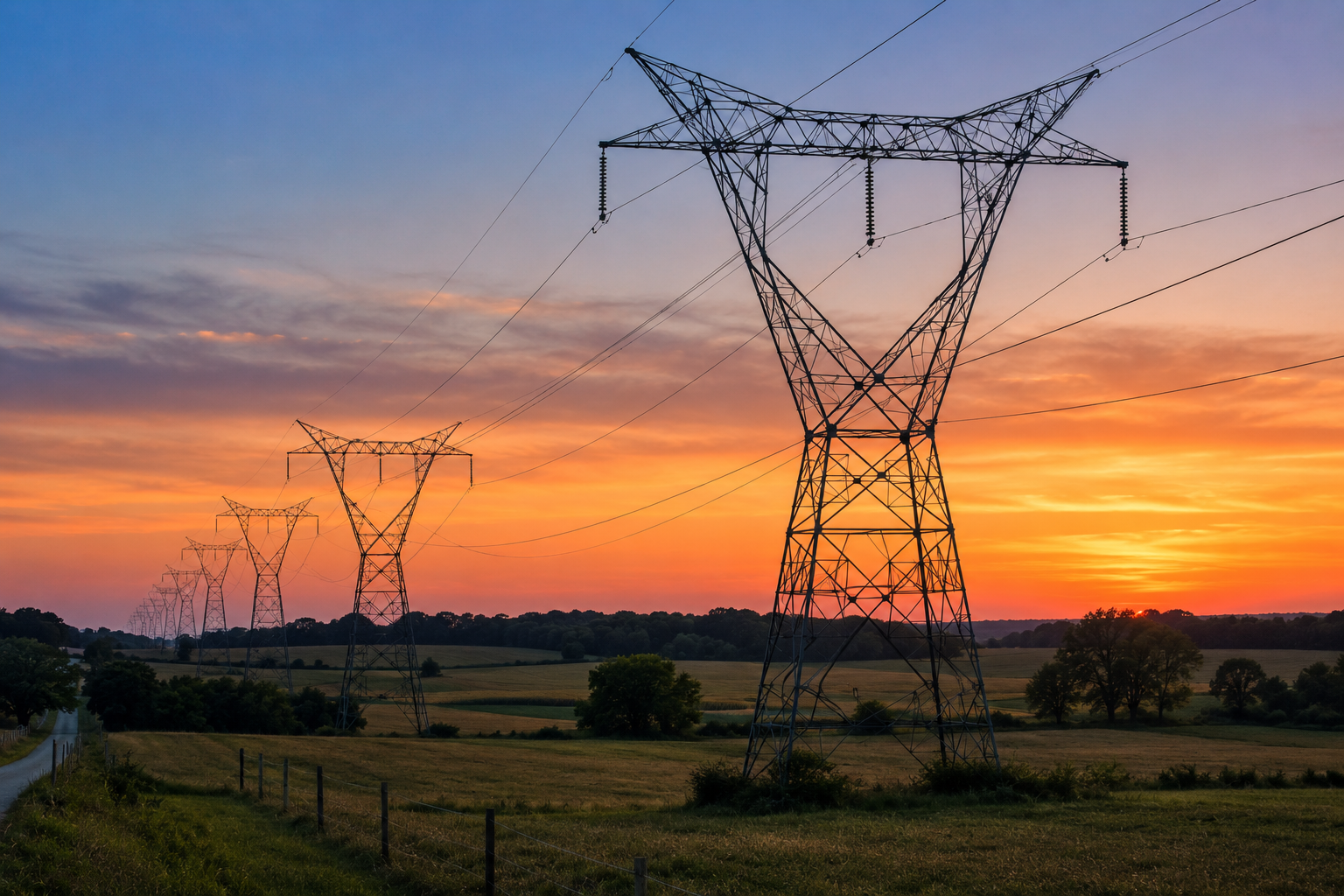
PJM's territory spans from Illinois to New Jersey, serving 65 million people across 13 states and Washington D.C. The region's aging infrastructure desperately needs modernization, particularly as extreme weather events strain the system and renewable energy sources require new transmission capabilities.
The expedited process could accelerate deployment of battery storage, offshore wind connections, and grid-scale solar projects that have been waiting years for approval. Each month of delay represents millions in lost investment and delayed emissions reductions.
Why Energy Consumers Should Care
For households and businesses across PJM's territory, faster project approvals translate directly into energy security and potentially lower costs. New generation capacity helps prevent the rolling blackouts that have plagued other regions during extreme weather events.
The expedited process also signals to investors that regulatory uncertainty—long considered a major barrier to energy infrastructure development—may finally be diminishing. This confidence could unlock billions in private capital for grid improvements that benefit all ratepayers.
While 20 projects over two years might seem modest compared to the massive interconnection backlog, successful implementation could establish a template for other grid operators nationwide. Sometimes the most important changes start small but scale quickly, and America's energy transition desperately needs this kind of regulatory innovation.


