


Picture a traffic jam stretching for miles, but instead of frustrated commuters, it's power developers sitting idle with 275 gigawatts of generation projects—more than enough capacity to meet the average electricity needs of every U.S. home. That's the reality facing PJM Interconnection, the nation's largest grid operator, where a massive pipeline of energy projects has hit an unexpected roadblock.
The bottleneck isn't technical capacity or regulatory red tape. It's something far more modern: the intricate dance between data center demand and transmission infrastructure, creating a new kind of energy economics that's reshaping how power gets built in America.
The Great Generation Queue
Glen Thomas, president of the PJM Power Providers Group, recently outlined numbers that would make any energy executive's head spin. Over 55 GW of generation has successfully cleared PJM's interconnection queue process. These are projects that have jumped through the technical and financial hoops to prove they're serious about building. Meanwhile, another 220 GW just entered the latest review cycle, representing a tsunami of proposed power plants seeking grid connection.
To put this in perspective, PJM's entire existing capacity is around 185 GW. The queue represents more new generation than the grid has ever seen, a clear signal that developers smell opportunity in the air. But opportunity and execution are two very different animals in the energy business.
The Data Center Dependency
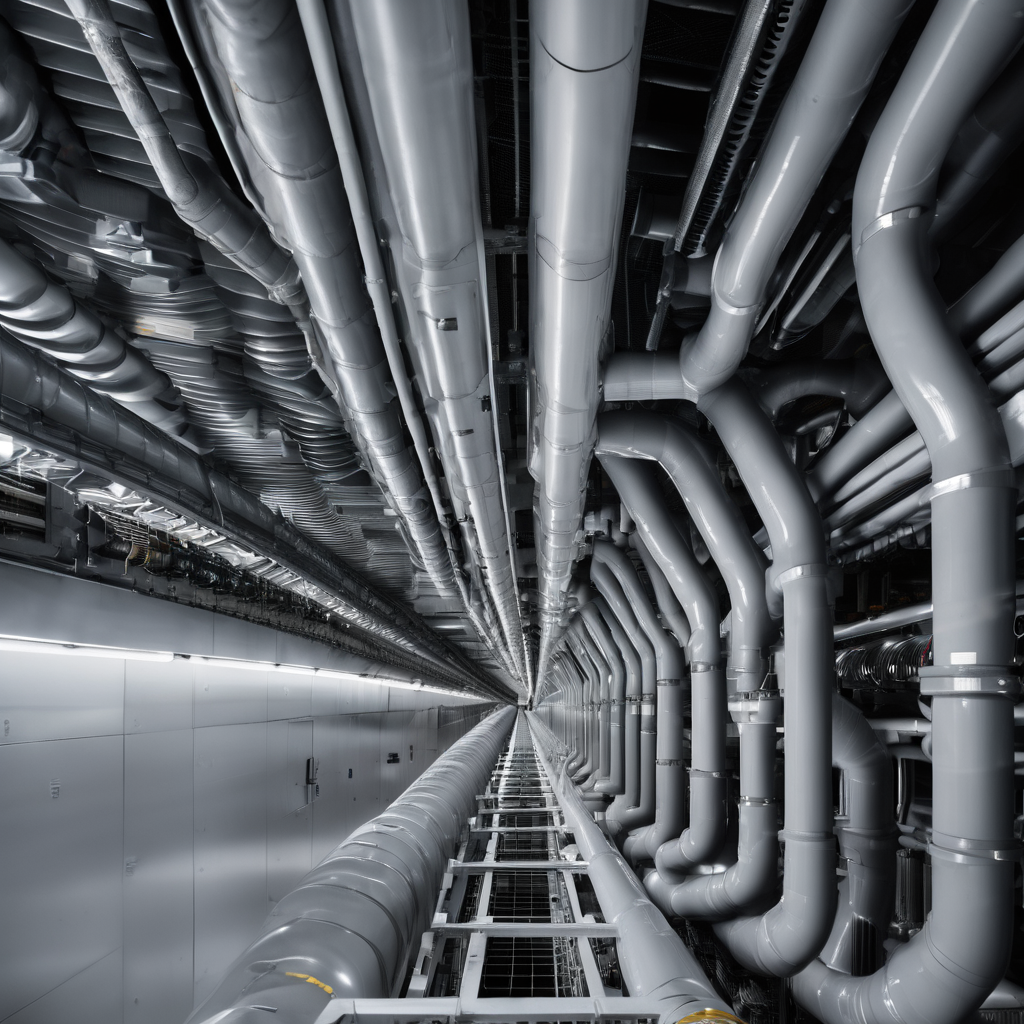
Here's where the story gets interesting. Much of this proposed generation isn't chasing traditional utility contracts or merchant market opportunities. Instead, developers are banking on the hyperscale data center boom, the massive facilities that power everything from ChatGPT to Netflix streams. These energy-hungry behemoths can consume as much electricity as small cities, making them attractive anchor customers for new power plants.
But data center developers are notoriously cautious about long-term commitments. They want proof that power will be reliable, affordable, and available exactly when and where they need it. This creates a chicken-and-egg problem: power developers need contracts to secure financing, while data center operators want to see shovel-ready projects before signing deals.
The queue represents more new generation than PJM's grid has ever seen, but opportunity and execution are two very different animals in the energy business.
Transmission: The Missing Link
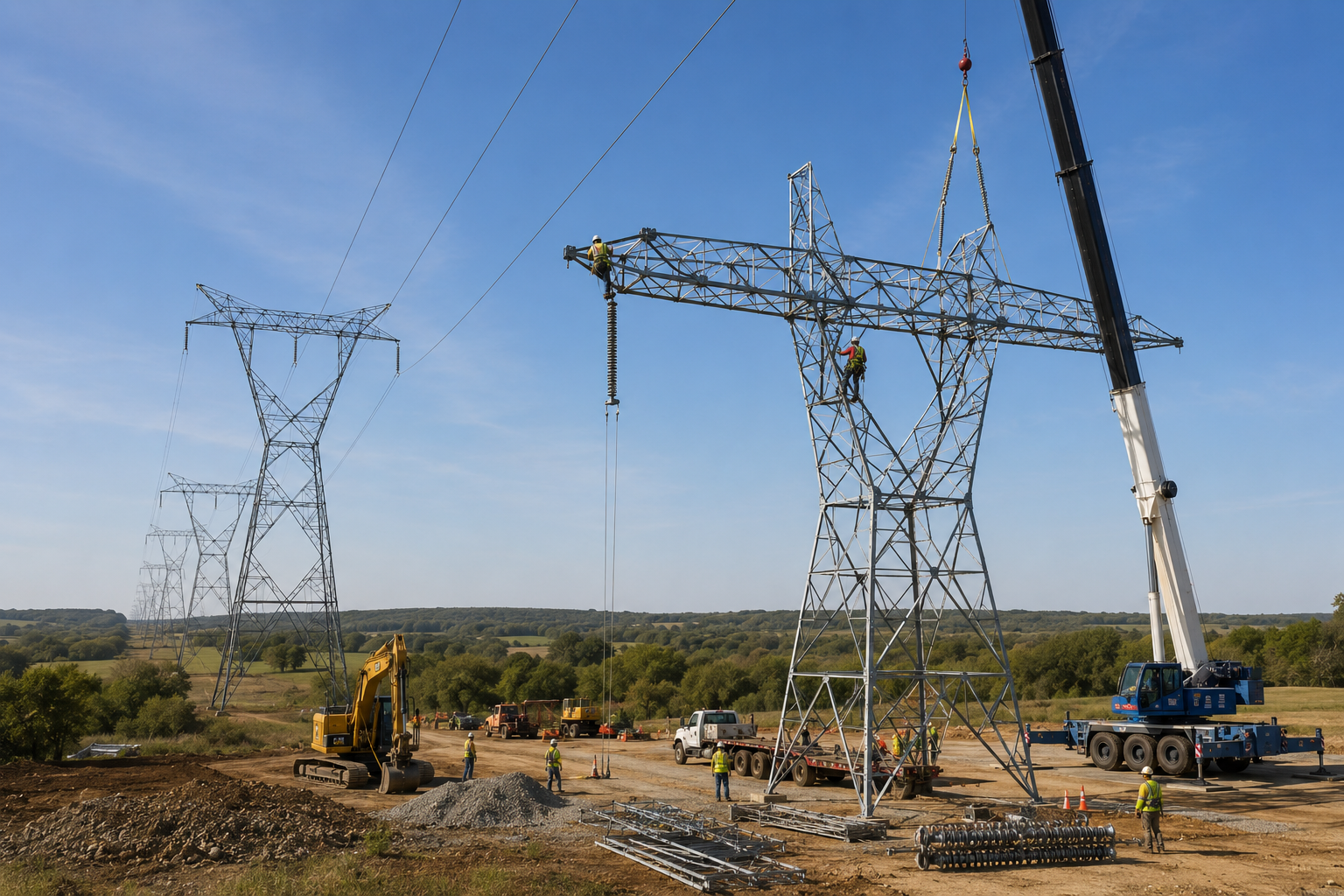
Even when contracts align, there's still the fundamental challenge of moving electrons from where they're generated to where they're needed. PJM's transmission system, like much of America's grid infrastructure, was designed for a different era when power plants were massive, centralized facilities located near population centers or fuel sources.
Today's energy landscape is far more distributed and dynamic. Solar farms pop up in rural areas with abundant land and sunshine. Wind projects cluster where the breeze blows strongest. Data centers locate where land is cheap and fiber optic cables converge. Making all these pieces work together requires transmission lines that often don't exist yet.
Building new transmission is a years-long process involving multiple regulatory approvals, environmental reviews, and the delicate politics of crossing state and local boundaries. It's the kind of long-term infrastructure investment that doesn't align well with the fast-moving world of technology companies looking to expand their digital footprints.
Why This Matters Beyond PJM
This isn't just a regional problem. It's a preview of challenges facing grid operators nationwide. The artificial intelligence boom is driving unprecedented electricity demand just as the economy is electrifying everything from vehicles to heating systems. Meanwhile, the push for clean energy is adding complexity to a grid that was already straining under modern demands.
For energy consumers, this queue bottleneck has real implications. Delayed projects mean less competition in electricity markets, potentially keeping prices higher than they could be. It also slows the transition to cleaner energy sources, as many of the queued projects are renewable developments.
The situation in PJM reveals a fundamental mismatch between the speed of technological change and the pace of energy infrastructure development. While software companies can deploy new services globally in hours, building the physical systems that power those services still takes years of planning, permitting, and construction.
This queue bottleneck reveals a fundamental mismatch between the speed of technological change and the pace of energy infrastructure development.
The resolution will likely require new approaches to both contracting and transmission planning. Some developers are already exploring innovative financing structures that reduce risk for data center partners. Grid operators are experimenting with more flexible interconnection processes that can adapt to changing technology and market conditions.
But make no mistake: the 275 GW sitting in PJM's pipeline represents more than just numbers on a spreadsheet. It's a measure of America's energy ambitions colliding with the practical realities of building power infrastructure in the digital age. How quickly these projects move from queue to reality will help determine whether the country can meet its growing appetite for electricity without compromising reliability or affordability.


