

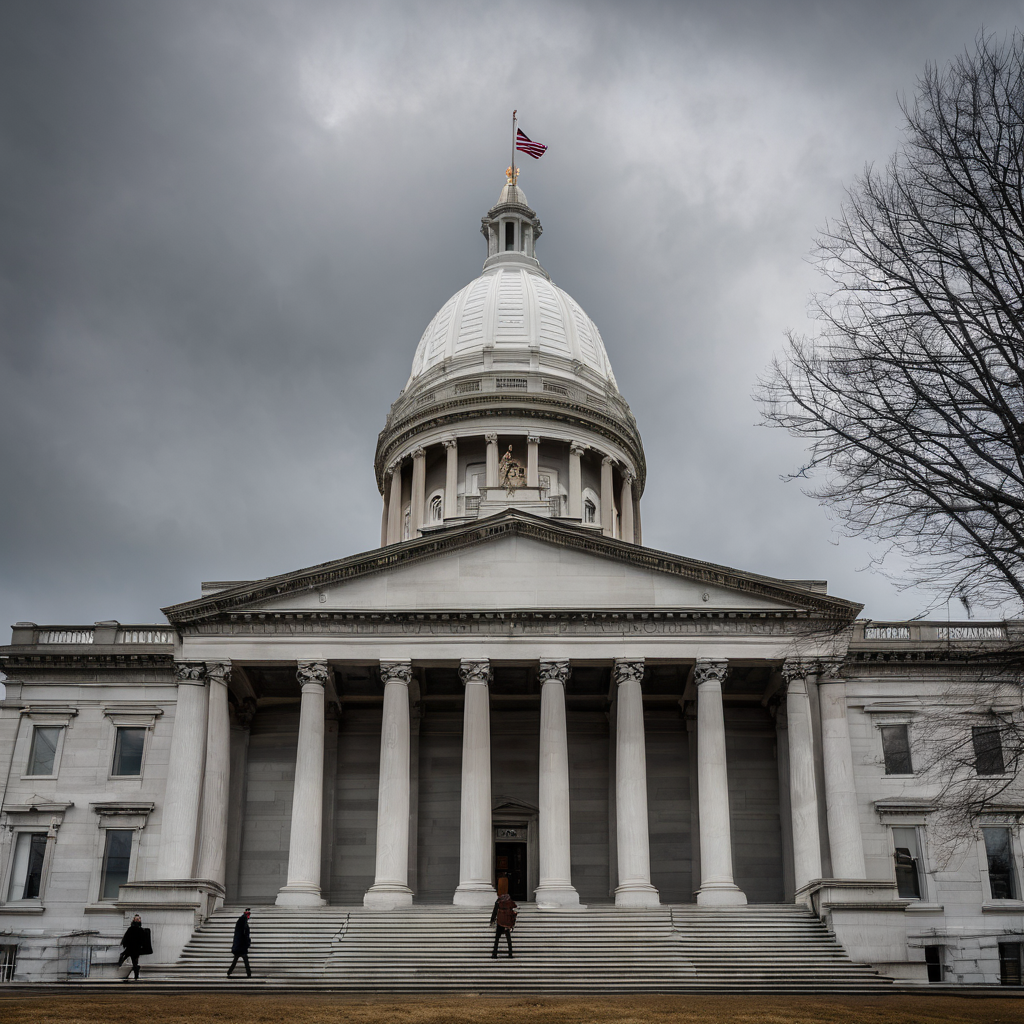
In an era where state budgets face relentless pressure and every line item becomes a battlefield, Rhode Island just delivered a rare piece of good news for clean energy advocates. The Ocean State's latest budget cycle concluded with clean energy and efficiency programs emerging unscathed. That's a notable victory that speaks volumes about the political staying power of green initiatives.
Think of it as a stress test for climate policy. When lawmakers face tough choices about where to cut spending, the programs that survive reveal what politicians truly consider essential. In Rhode Island's case, that includes everything from energy efficiency rebates to renewable energy incentives—programs that directly impact how residents heat their homes and power their lives.
Political Calculus Behind Energy Protection
The decision to shield clean energy programs wasn't made in a vacuum. Rhode Island has committed to aggressive climate targets, including 100% renewable electricity by 2033 and net-zero emissions by 2050. Cutting the very programs designed to achieve these goals would have sent a contradictory message about the state's priorities.
But there's more pragmatic politics at play here. Energy efficiency programs have developed a constituency that extends far beyond environmental activists. Homeowners who've received rebates for heat pumps, small businesses that've upgraded their lighting systems, and contractors who've built practices around these incentives—they all have skin in the game.
When energy programs create tangible benefits for voters' monthly utility bills, they become much harder for politicians to eliminate.
What This Means for Energy Consumers
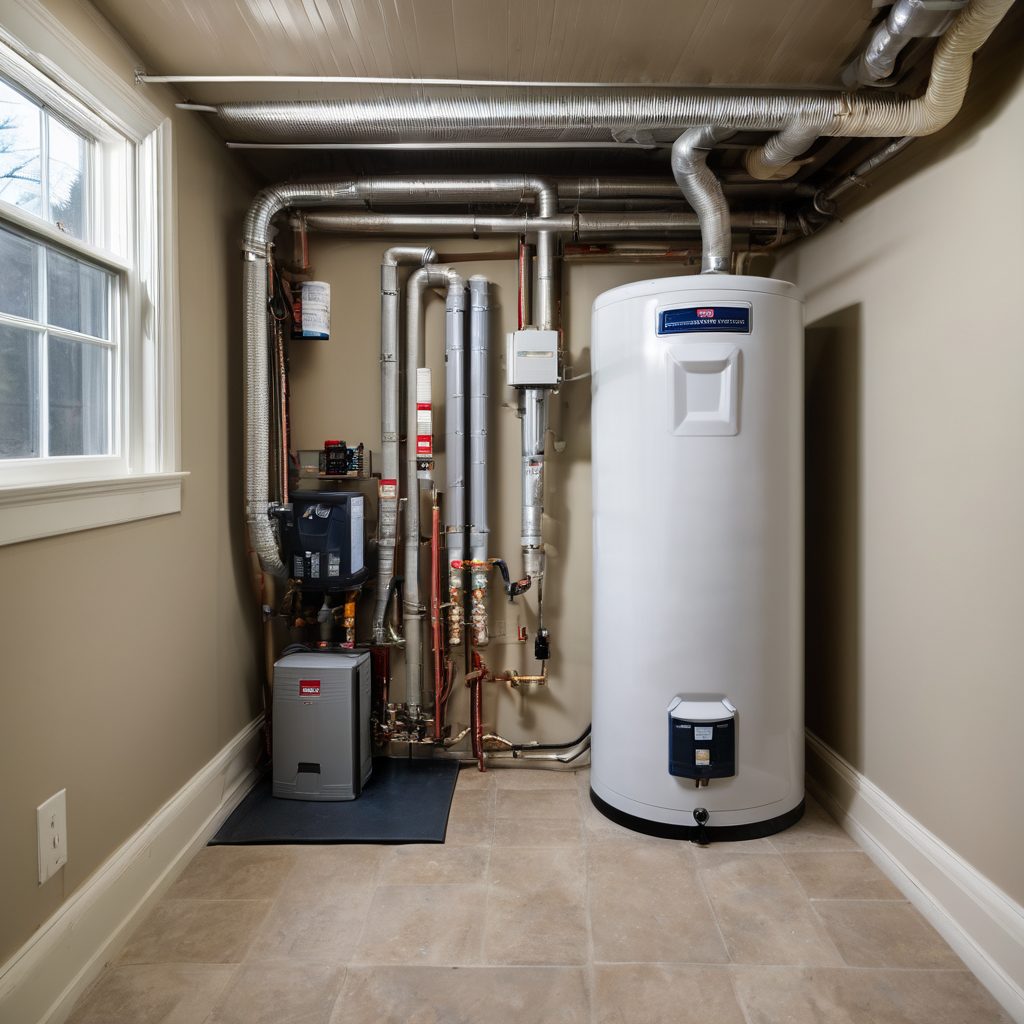
For Rhode Island residents, the budget outcome translates into continued access to programs that can meaningfully reduce energy costs. The state's energy efficiency programs typically offer rebates for everything from smart thermostats to whole-home weatherization projects. These aren't just feel-good environmental initiatives. They're direct financial assistance that helps families manage rising energy costs.
The renewable energy incentives that survived the budget process also matter for consumers considering solar installations or other clean energy investments. Certainty about program continuation helps homeowners make long-term financial decisions about energy upgrades.
Broader Implications for Climate Policy
Rhode Island's budget decision arrives at a crucial moment for state-level climate action. With federal climate policy subject to political winds, state programs have become the backbone of America's clean energy transition. When states like Rhode Island demonstrate that these programs can survive budget pressures, it sends a signal to other states about the political viability of similar initiatives.
The survival of these programs also reflects their growing economic importance. Clean energy jobs, efficiency retrofits, and renewable energy projects have created economic ecosystems that generate their own political momentum. Cutting these programs doesn't just affect environmental goals—it threatens jobs and business revenue.
As other states grapple with their own budget challenges in the coming months, Rhode Island's approach offers a template for protecting clean energy investments even when fiscal pressures mount. The message is clear: programs that deliver tangible benefits to constituents while advancing long-term policy goals can weather political storms...if lawmakers have the will to protect them.


