


The nation's power grid operators are quietly orchestrating a fundamental shift in how America builds its energy future. Rather than simply adding more renewable capacity, state authorities are calling for a more nuanced approach—one that treats grid infrastructure like a carefully balanced portfolio rather than a single-minded bet on wind and solar.
This strategic pivot comes at a critical juncture. As extreme weather events strain aging transmission systems and data centers demand unprecedented power reliability, grid operators find themselves playing chess while everyone else debates checkers. The question isn't whether renewable energy will dominate. It's whether our infrastructure can handle the complexity of that transition.
The Portfolio Approach to Power Infrastructure
Think of today's grid investment strategy like trying to run a modern city with a highway system designed for horse-drawn carriages. State power grid operators are essentially arguing for a complete reimagining of how we think about energy infrastructure, and not just generating capacity, but the entire ecosystem that moves electricity from source to socket.
The call for diverse investment represents a maturation of energy policy thinking. Instead of the boom-bust cycles that have characterized renewable development, operators want steady, strategic buildouts that account for storage, transmission upgrades, demand response systems, and yes, backup generation that can fill gaps when the wind doesn't blow and the sun doesn't shine.
This isn't about slowing renewable adoption—it's about making it actually work at scale. The grid doesn't care about our political preferences; it only cares about physics and reliability.
Why Traditional Approaches Are Hitting Limits
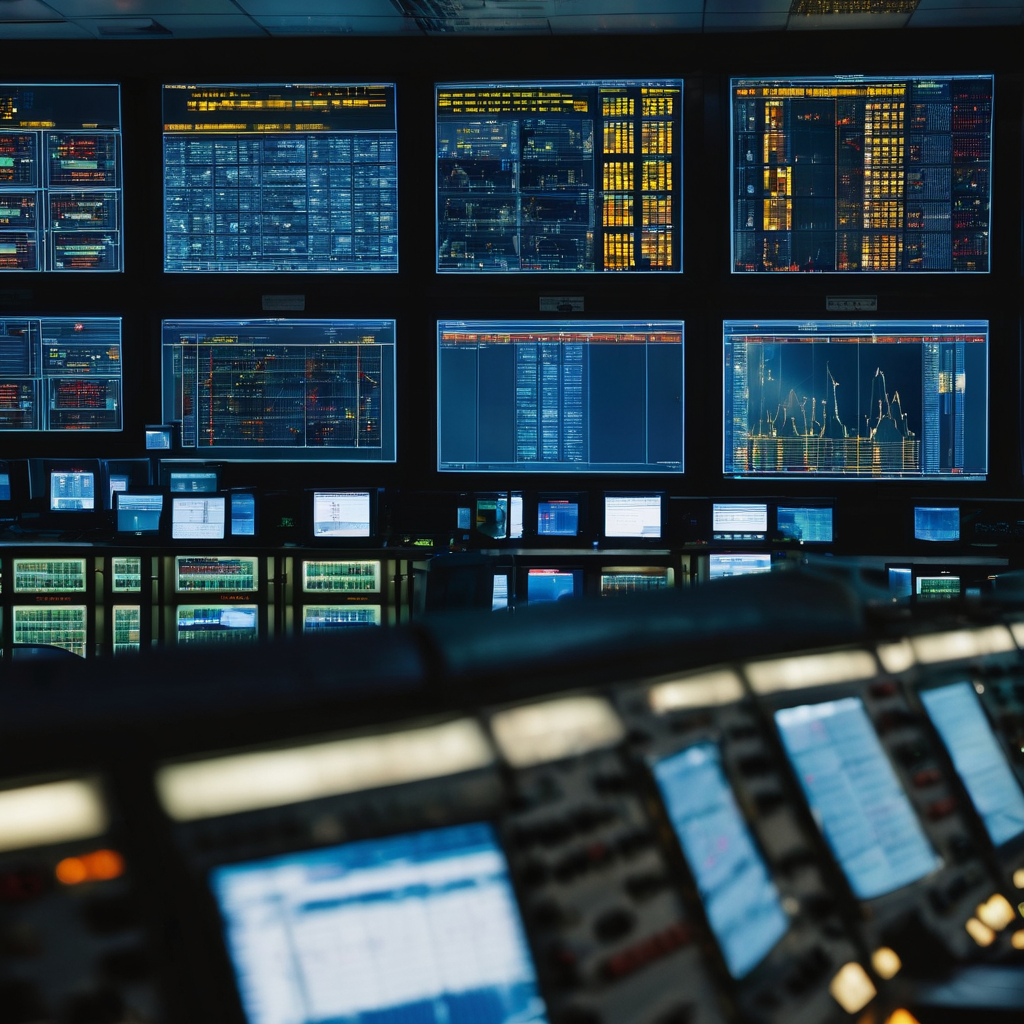
The current approach to grid modernization resembles trying to renovate a house while living in it during a hurricane. State operators are managing three simultaneous challenges: integrating intermittent renewable sources, maintaining reliability standards that modern life demands, and doing it all while keeping the lights on.
Recent grid stress events have exposed the limitations of putting all our eggs in the renewable basket without adequate supporting infrastructure. When Texas faced its 2021 winter storm crisis, the problem wasn't just frozen wind turbines or natural gas shortages. It was a system-wide failure to plan for extreme scenarios across all generation types.
Grid operators learned a harsh lesson: diversity isn't just good policy, it's essential physics. No single technology, regardless of how clean or efficient, can handle the full spectrum of challenges that modern power systems face.
The Economics of Energy Resilience
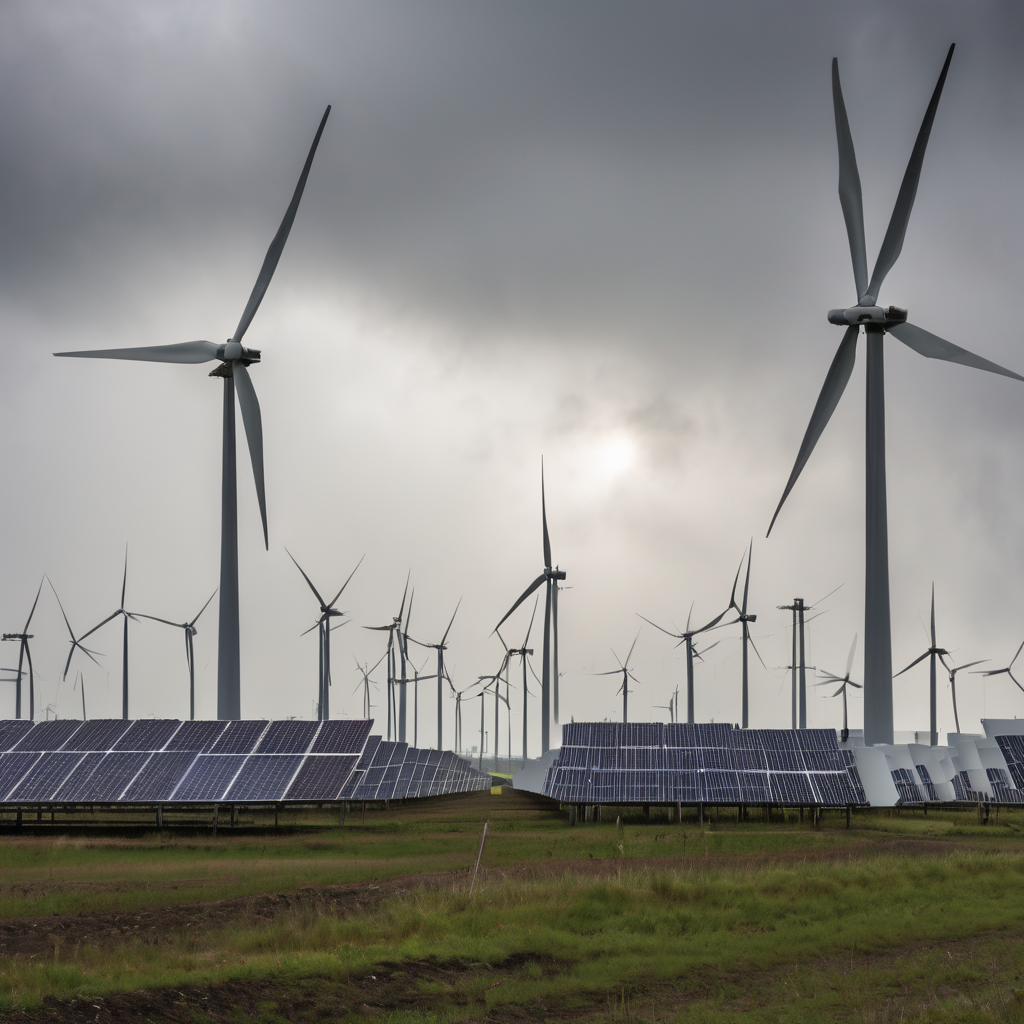
Here's where the story gets interesting for energy consumers. The push for diversified infrastructure investment isn't just about keeping the lights on—it's about keeping energy costs stable over the long term. Think of it as insurance for your electricity bill.
Diversified grid investment creates what economists call option value. By maintaining multiple pathways for power generation and delivery, utilities can respond to price shocks, supply disruptions, or demand spikes without passing dramatic cost increases to consumers. It's the difference between having one route to work versus having three alternatives when traffic hits.
State operators are essentially arguing for spending more upfront to save money later. The initial investment in diverse infrastructure—storage systems, smart grid technology, flexible generation resources—pays dividends when crisis hits and single-source dependencies fail.
What This Means for Your Energy Future
For consumers, this shift toward diversified grid investment should translate into more reliable power at more predictable prices. But it also means accepting that the clean energy transition will be more complex and potentially slower than simple renewable-focused narratives suggest.
The real winners in this new paradigm will be communities and businesses that understand energy resilience as a competitive advantage. Smart energy consumers will look beyond just clean generation to consider the reliability and flexibility of their power sources.
This diversification strategy also opens doors for technologies that might have been overlooked in the rush toward renewables: advanced nuclear systems, enhanced geothermal, green hydrogen storage, and sophisticated demand management systems. Each plays a role in creating a robust energy ecosystem.
The message from state grid operators is clear: the future of American energy is about building a system sophisticated enough to leverage the strengths of multiple approaches while minimizing the weaknesses of any single solution. For consumers, that means more reliable power, more stable prices, and ultimately, a more resilient energy future.


