


The corporate clean energy market just experienced its equivalent of a gold rush, with U.S. companies procuring a staggering 27 gigawatts of renewable capacity in 2025. But here's the twist that should make every energy consumer take notice: just four technology giants swept up roughly three-quarters of that massive haul.
Think of it as the energy equivalent of a few major retailers dominating Black Friday sales, except these deals will power data centers and cloud services for decades to come. The concentration of purchasing power among these hyperscalers—the industry term for massive cloud computing companies—is fundamentally reshaping how America builds and buys clean energy.
Rich Powell, CEO of the Clean Energy Buyers Alliance (CEBA), revealed these eye-popping numbers that underscore a dramatic shift in the renewable energy marketplace. While Powell didn't name the specific companies, the hyperscaler category typically includes tech behemoths like Amazon, Microsoft, Google, and Meta—all of whom have made aggressive carbon neutrality commitments.
The New Energy Kingmakers
This isn't just about impressive procurement statistics. When four companies control such a massive slice of clean energy demand, they essentially become the new kingmakers in renewable development. Their purchasing decisions determine which solar farms get built, where wind projects break ground, and how quickly clean energy scales across the grid.
For everyday energy consumers, this concentration creates a fascinating paradox. On one hand, these tech giants are accelerating clean energy deployment at unprecedented speed, potentially driving down costs for everyone through sheer market volume. Their deep pockets and long-term contracts provide the financial certainty that renewable developers desperately need.
"The scale of corporate procurement we're seeing fundamentally changes the economics of clean energy development," industry analysts note, as these deals often span 10-20 year terms worth billions of dollars.
Beyond the Data Center Boom
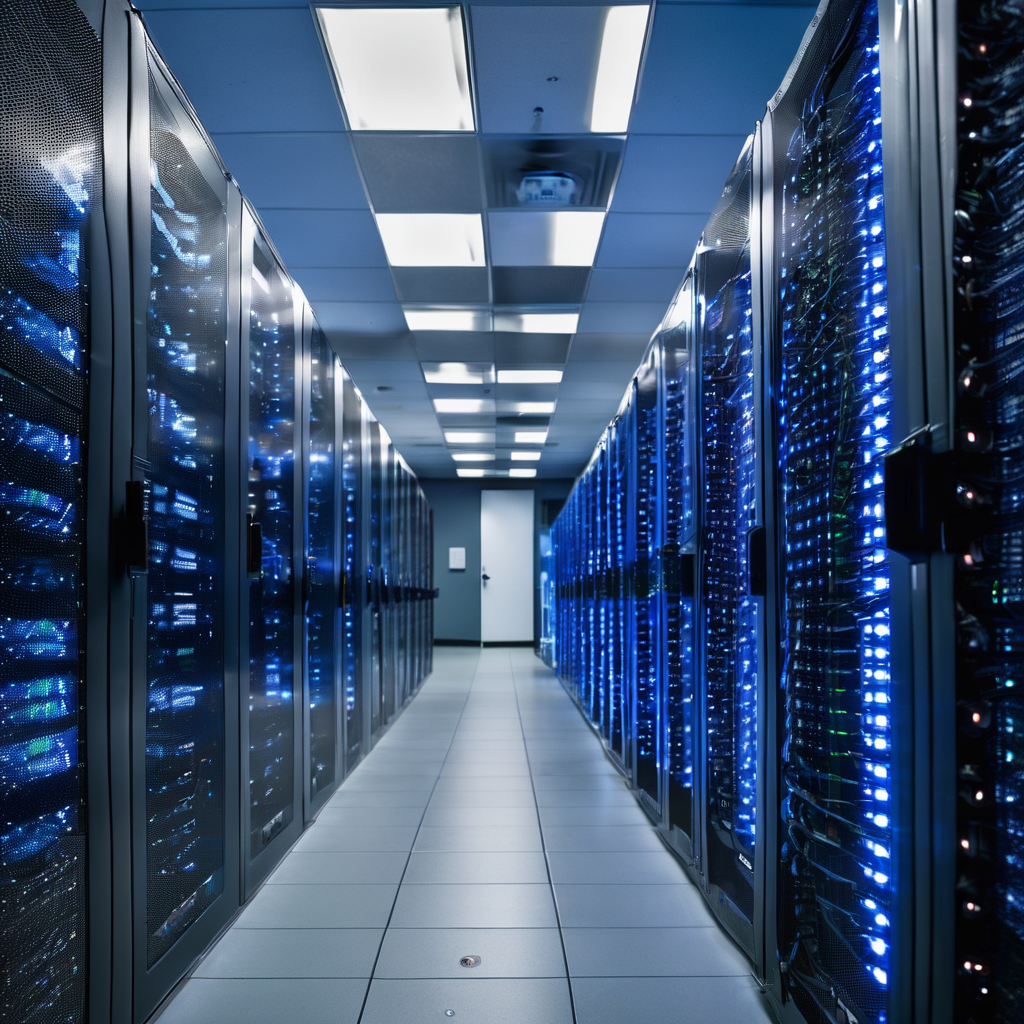
The driving force behind this procurement surge isn't altruism...it's artificial intelligence. The explosive growth in AI computing demands has these companies scrambling to secure massive amounts of electricity, preferably from clean sources to meet their sustainability commitments. Each new AI model requires exponentially more computing power, and computing power means electricity demand.
This creates a ripple effect throughout the energy system. When hyperscalers sign power purchase agreements for gigawatt-scale renewable projects, they're not just buying electricity. They're reshaping regional grid infrastructure, influencing transmission planning, and creating new hubs of economic activity in rural communities where these projects typically locate.
The 27-gigawatt figure represents enough capacity to power roughly 20 million homes, though these corporate deals typically involve direct contracts with renewable developers rather than residential supply.
Market Concentration Concerns
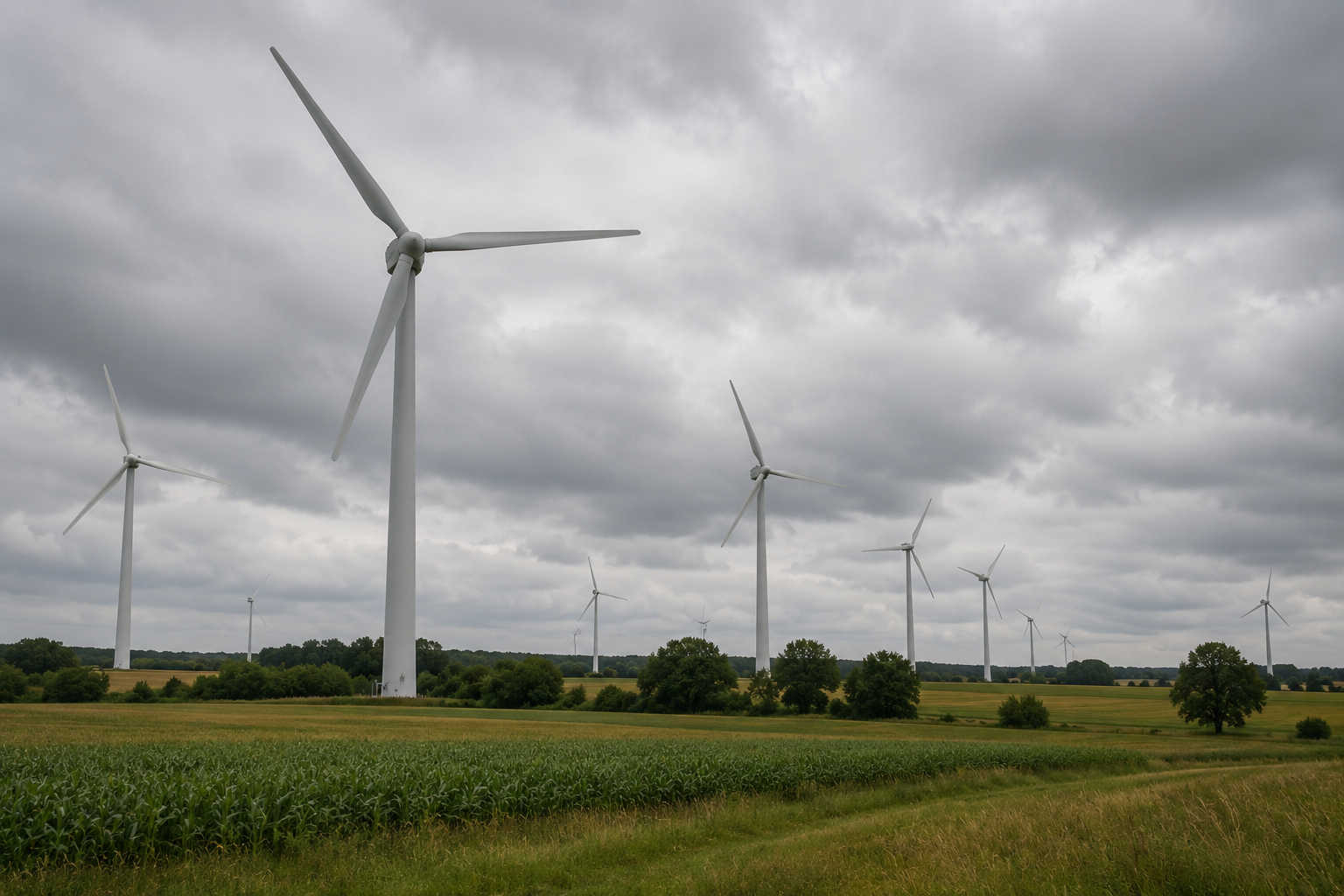
However, this concentration of purchasing power raises important questions about market dynamics and energy equity. When so few buyers dominate renewable procurement, they gain enormous leverage over project developers, potentially squeezing margins and dictating terms that smaller corporate buyers can't access.
Regional utilities and smaller companies may find themselves competing for the remaining scraps of renewable capacity, potentially facing higher costs or longer development timelines. This could create a two-tiered market where tech giants get premium access to clean energy while other sectors face constraints.
The geographic implications are equally significant. Hyperscalers tend to concentrate their renewable procurement in regions with favorable wind and solar resources, potentially leaving other areas with fewer clean energy development opportunities.
What This Means for Energy Consumers
For ordinary Americans, this hyperscaler dominance in clean energy procurement creates both opportunities and challenges. The positive: their massive demand is driving unprecedented investment in renewable infrastructure, accelerating the transition away from fossil fuels and potentially reducing long-term electricity costs as clean energy becomes more prevalent.
The concerning: such concentrated buying power could distort energy markets, potentially limiting options for other consumers and creating dependencies on a handful of corporate decision-makers for clean energy progress.
As these tech giants continue expanding their AI capabilities and cloud services, their energy appetite will only grow. The question isn't whether they'll continue dominating clean energy procurement. It's whether policymakers and market regulators will ensure this concentration serves broader public interests beyond just powering the next generation of digital services.
The 27-gigawatt milestone marks more than just another record in corporate sustainability reporting. It signals the emergence of a new energy economy where technology companies don't just consume electricity—they fundamentally shape how and where America generates it.


