


Like a new highway system in its first weeks of operation, the Extended Day-Ahead Market (EDAM) is proving it can handle the traffic. According to the California Independent System Operator, the ambitious multi-state energy trading platform is delivering exactly what grid operators hoped for: stable prices and consistent power transfers across its expanding footprint.
This early success matters more than the technical jargon might suggest. EDAM represents the most significant evolution in Western electricity markets in decades, promising to unlock billions in savings while making the grid more reliable and cleaner. For energy consumers from California to Utah, these initial results hint at a future where power flows more efficiently across state lines, potentially lowering bills and reducing blackout risks.
Market Mechanics Delivering as Designed
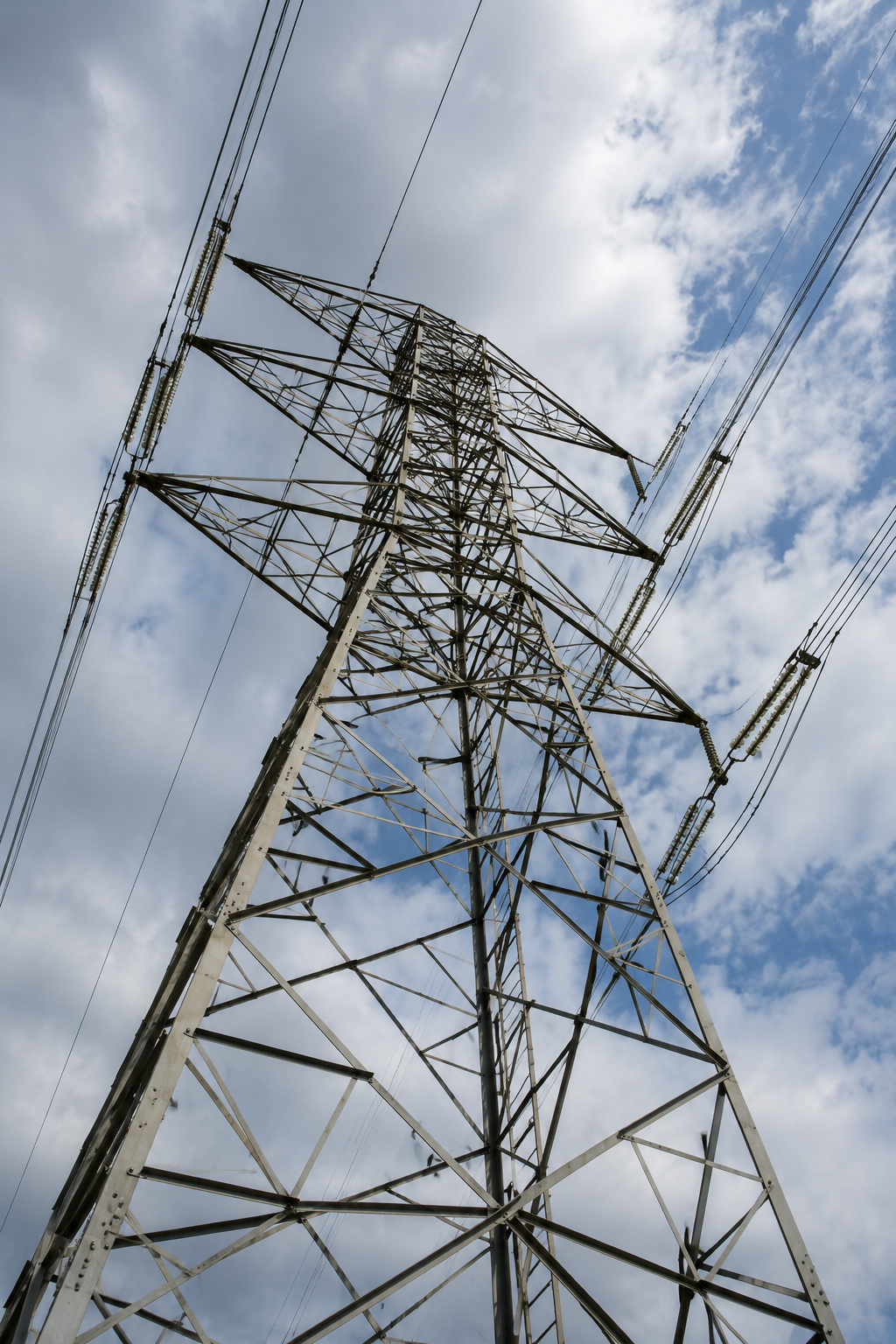
The numbers tell a reassuring story. CAISO reports that EDAM's pricing mechanisms are operating within expected parameters, avoiding the wild swings that often plague new market structures. Transfer volumes—the amount of electricity flowing between participating utilities—have maintained steady patterns, suggesting the complex algorithms governing power dispatch are working smoothly.
"The market is performing as our models predicted," reflects the careful engineering behind EDAM's launch. Unlike previous market experiments that stumbled out of the gate, this platform appears to have benefited from years of meticulous planning and stakeholder input.
For utilities participating in the market, this stability translates directly into operational confidence. Grid operators can rely on EDAM's price signals to make real-time decisions about where to buy and sell power, creating the foundation for more efficient resource allocation across the Western grid.
Why Steady Performance Signals Bigger Changes Ahead
Behind these encouraging metrics lies a more profound transformation. EDAM isn't just another trading platform. It's the infrastructure for a fundamentally different approach to managing electricity across multiple states. By creating a single, coordinated market spanning diverse utilities and regulatory jurisdictions, it's breaking down the traditional silos that have long defined Western power systems.
The steady transfer volumes particularly matter because they indicate utilities are actually using the market, not just participating on paper. When power flows consistently between different grid operators, it means EDAM is successfully coordinating resources that were previously managed in isolation. This coordination effect multiplies as more utilities join the platform.
For consumers, this early stability suggests EDAM can deliver on its core promise: finding the cheapest available electricity regardless of which utility generates it. Over time, this should translate into lower rates and more reliable service, especially during extreme weather events when regional coordination becomes critical.
Building Momentum for Market Expansion
Perhaps most importantly, EDAM's smooth early operation provides crucial momentum for expansion. Several utilities across the West are still evaluating whether to join the market, and these positive initial results strengthen the case for participation.
The platform's success also validates the broader vision of Western grid integration. As renewable energy resources become increasingly dominant, managing their variability requires the kind of large-scale coordination that EDAM enables. Solar power in Nevada can offset wind lulls in Wyoming, but only if market mechanisms can efficiently direct those flows.
This interconnected future depends on proving that complex multi-state markets can operate reliably from day one. EDAM's early performance suggests that future is not only possible but already beginning to emerge across the Western United States.


