Think of virtual power plants as the Uber of the electricity grid. Thousands of individual resources coordinated through software to act like a single, massive power plant. But there's a fundamental question lurking beneath this technological marvel: who gets to be the dispatcher?
The answer matters more than you might think. As Shannon Anderson of Solar United Neighbors argues, utilities given free rein will inevitably prioritize the infrastructure they own over the rapid expansion of rooftop solar and other distributed energy resources that could transform how we power our lives.
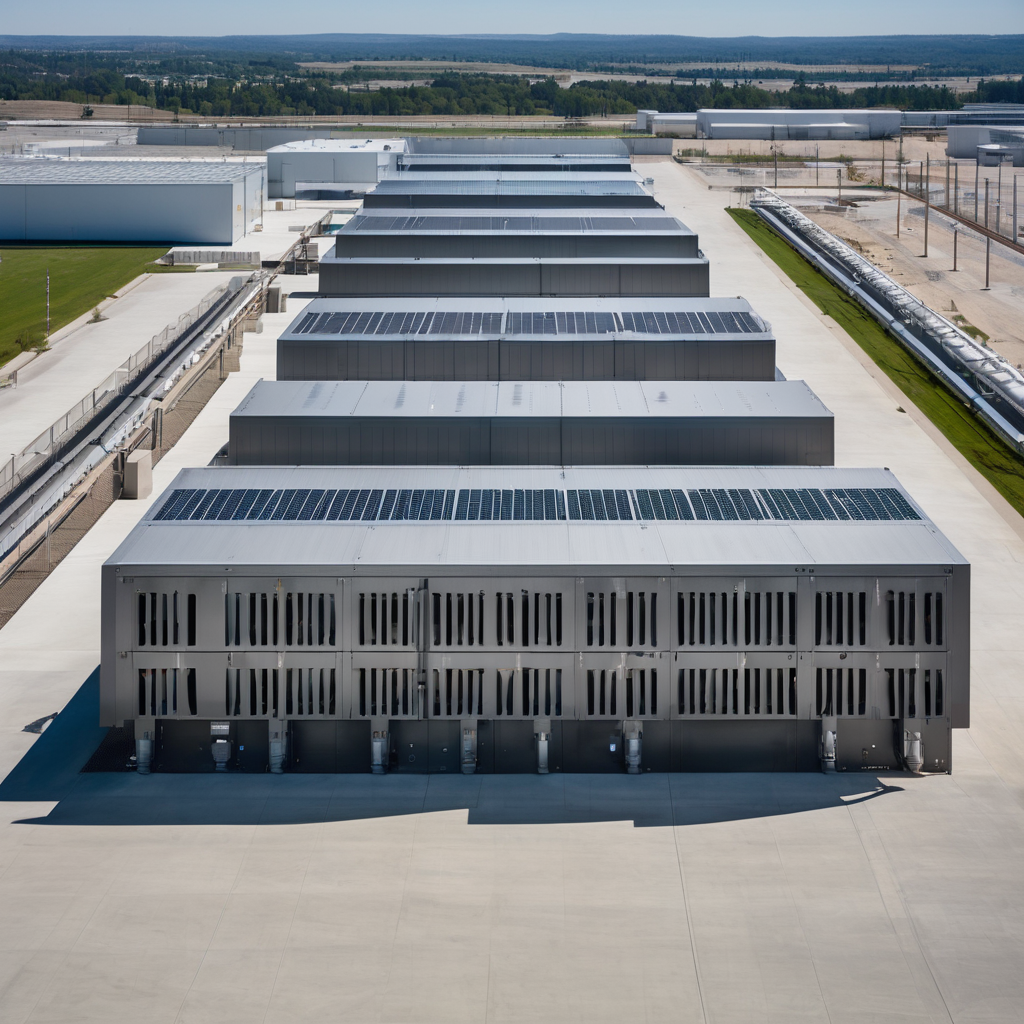
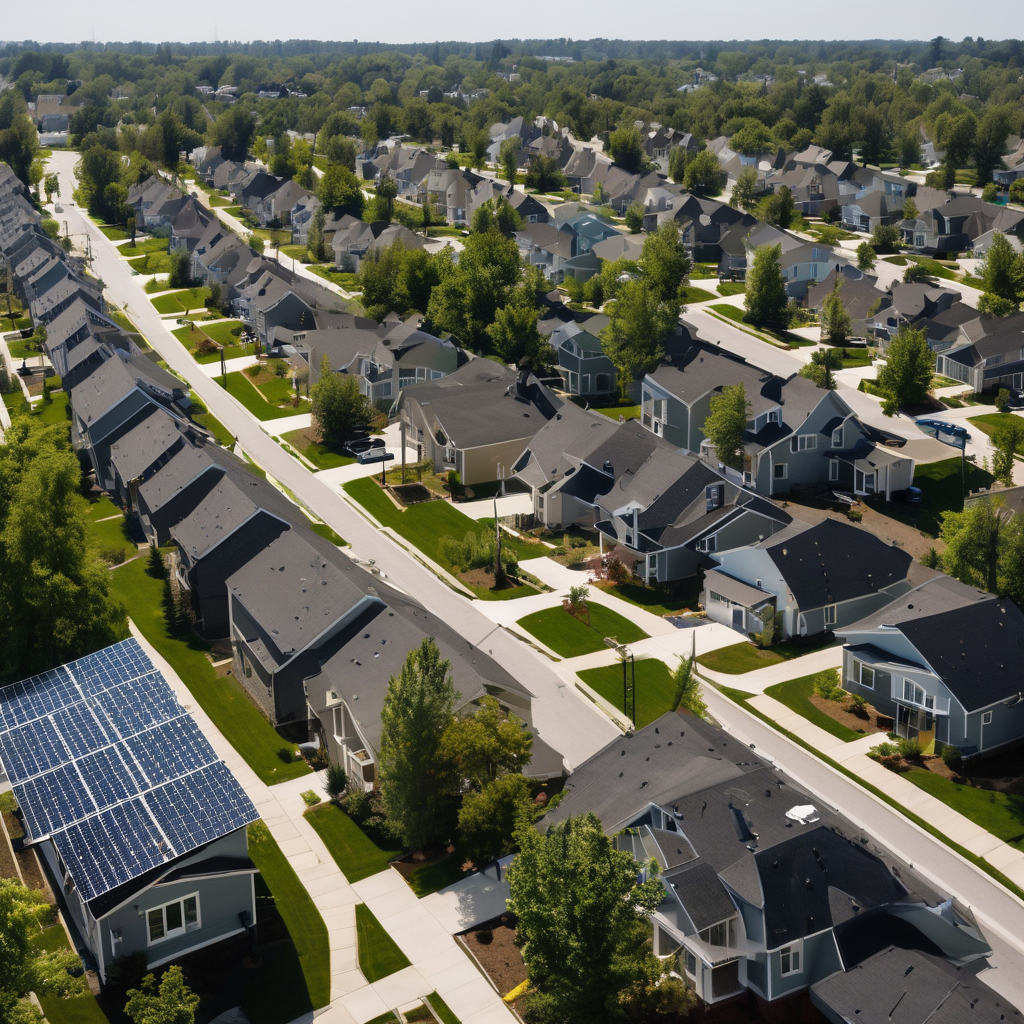
This isn't just an academic debate about market structure—it's about whether your rooftop solar panels will become part of a dynamic, competitive energy ecosystem or remain relegated to the sidelines while utilities build more of what they know best: big, centralized infrastructure they can rate-base and profit from.
The Infrastructure Bias Problem
Utilities operate under a simple economic logic: they make money by building and owning infrastructure, then recovering those costs plus a guaranteed return from ratepayers. It's a model that worked brilliantly for a century of grid expansion, but it could create different incentives when applied to virtual power plants.
When a utility controls VPP development, every distributed solar panel or home battery represents a choice between empowering customer-owned resources or building utility-owned alternatives. Guess which one typically wins?
The bias isn't necessarily malicious—it's structural. Utility executives face regulatory pressure to maintain grid reliability while meeting shareholder expectations for steady returns. Building a new substation or transmission line fits neatly into established planning processes and rate recovery mechanisms. Coordinating thousands of customer-owned resources through competitive markets requires new approaches, new risks, and potentially lower returns.
What Competition Unlocks

Competitive markets for virtual power plants flip this dynamic entirely. Instead of utilities choosing between their infrastructure and customer resources, independent VPP operators compete to aggregate and optimize whatever distributed assets deliver the best value.
The results speak for themselves. In regions with competitive VPP markets, we've seen rapid growth in residential solar-plus-storage adoption, innovative rate structures that reward grid-responsive behavior, and new business models that turn every home into a potential grid asset.
Consider what this means for the average homeowner with solar panels. In a utility-controlled system, their excess generation might earn wholesale rates while the utility builds new peaking plants to handle summer demand spikes. In a competitive VPP market, that same homeowner could earn premium rates for providing grid services during peak hours, with their battery automatically optimizing between personal savings and grid revenue.
The Consumer Stakes

For energy consumers, this debate translates into dollars and choices. Competitive VPP markets typically deliver lower electricity costs, more options for managing energy bills, and faster deployment of clean energy resources.
But the benefits extend beyond individual savings. Competitive virtual power plants accelerate the clean energy transition by making distributed resources more valuable and accessible. When homeowners can earn meaningful revenue from their solar panels and batteries, adoption rates climb. When businesses can participate in grid services through aggregated demand response, industrial efficiency improves.
Utility-controlled VPPs, by contrast, tend to move at the pace of traditional utility planning cycles—measured in years rather than months. They prioritize grid stability over innovation, and utility returns over customer savings.
The Path Forward
The choice between competitive and utility-controlled virtual power plants isn't just about market ideology. It's about whether we'll build the grid we need for a clean energy future fast enough to matter.
Competitive markets won't solve every challenge in VPP development. They require robust regulatory oversight, clear technical standards, and mechanisms to ensure grid reliability. But they create the right incentives for rapid scaling of distributed resources and customer-focused innovation.
As virtual power plants evolve from pilot projects to grid essentials, the governance decisions we make today will determine whether they fulfill their promise or become another utility monopoly dressed up in digital clothing. For consumers betting their energy future on distributed resources, competition isn't just better policy—it's the difference between transformation and disappointment.