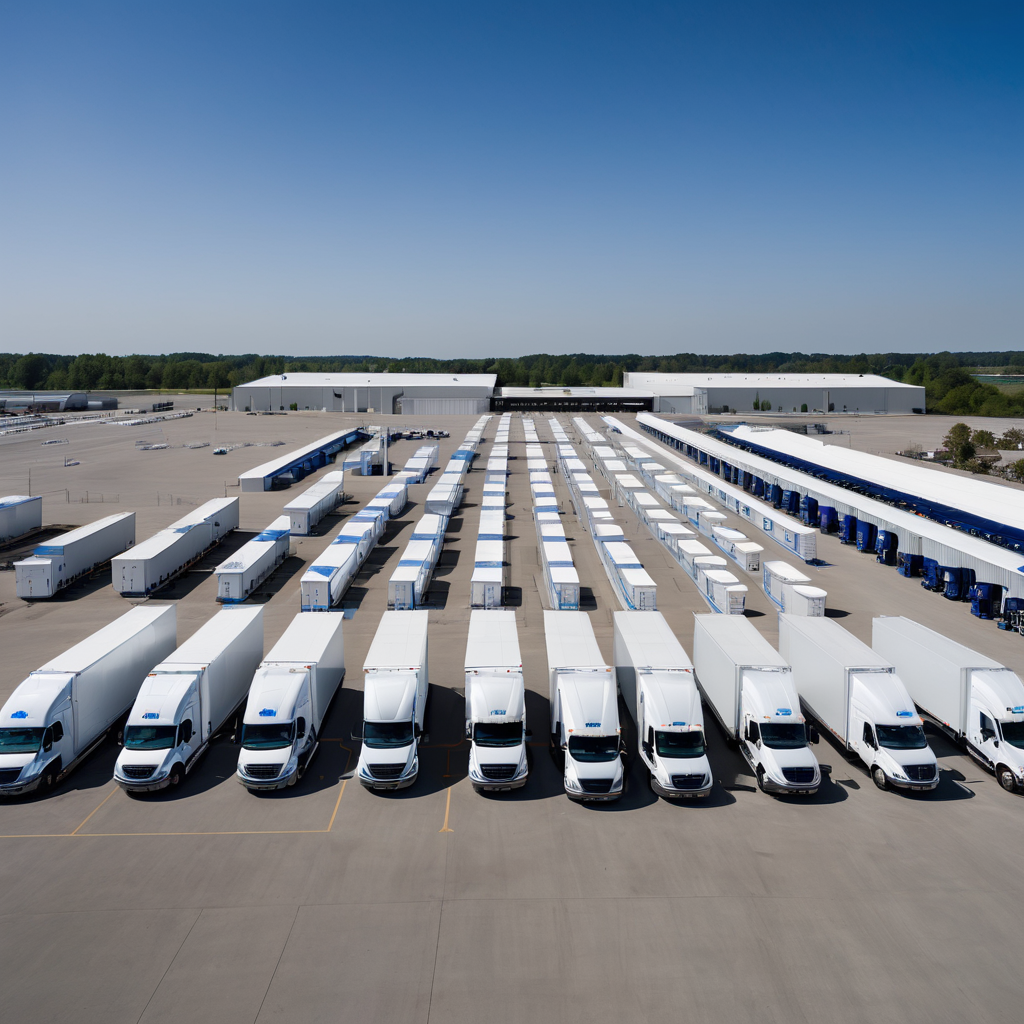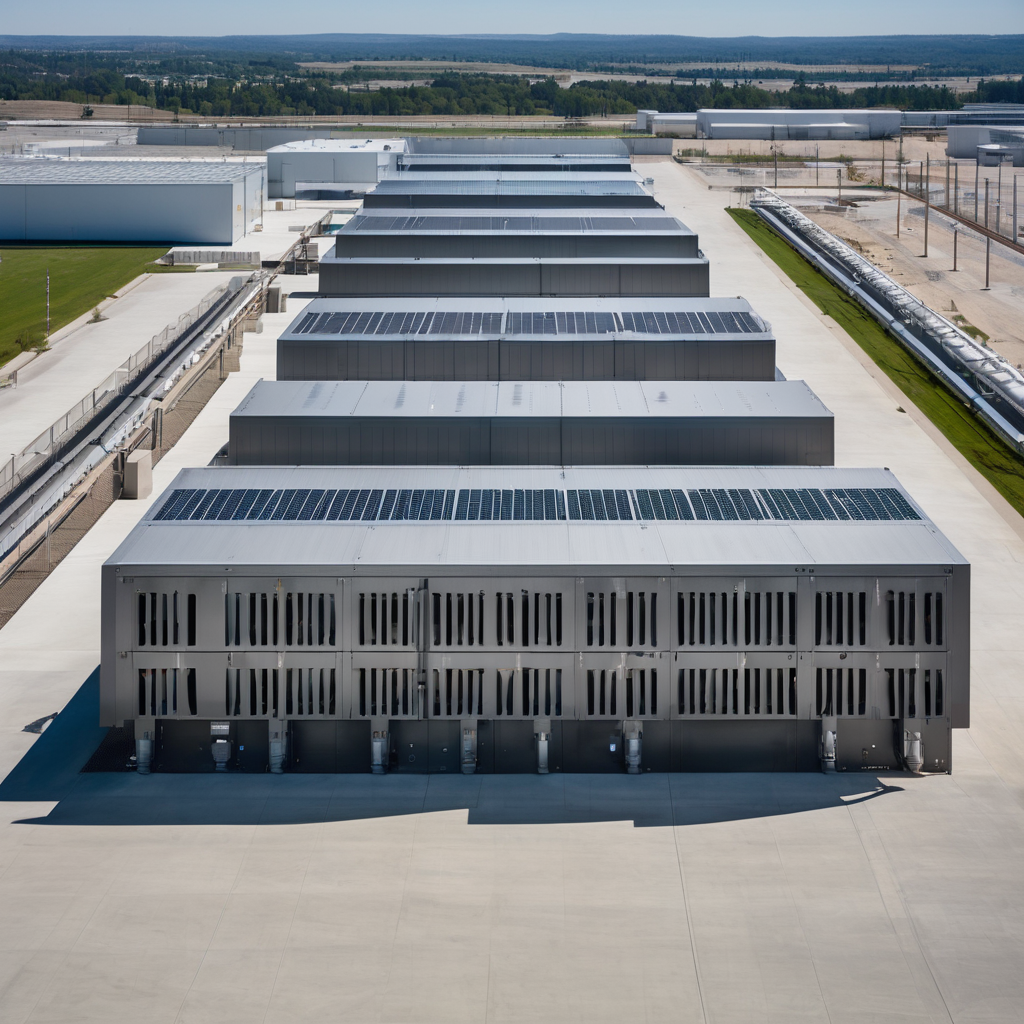
The artificial intelligence revolution has an insatiable appetite for electricity, and Fluence Energy just secured a front-row seat to feed it. The battery storage company announced master supply agreements with two unnamed hyperscalers—the tech giants that operate massive cloud computing infrastructures powering everything from ChatGPT to Netflix streams.
Think of it as Fluence positioning itself as the electrical equivalent of a premium caterer, signing exclusive contracts to serve the most demanding customers in town. These hyperscalers, likely including companies like Amazon Web Services, Microsoft Azure, or Google Cloud, are racing to build data centers that can handle AI's exponential computing demands while maintaining grid stability.
The Data Center Power Crunch Arrives Early
What makes this announcement particularly striking isn't just the deals themselves—it's the timing.
This acceleration reflects a broader reality reshaping America's energy landscape: AI isn't waiting for the grid to catch up. Data centers already consume roughly 1% of global electricity, but AI workloads can require 10 to 100 times more power than traditional computing tasks. When a hyperscaler decides to deploy the latest AI models, they're essentially announcing they need a small city's worth of additional electricity—and they need it to be absolutely reliable.
Why Battery Storage Becomes Mission-Critical
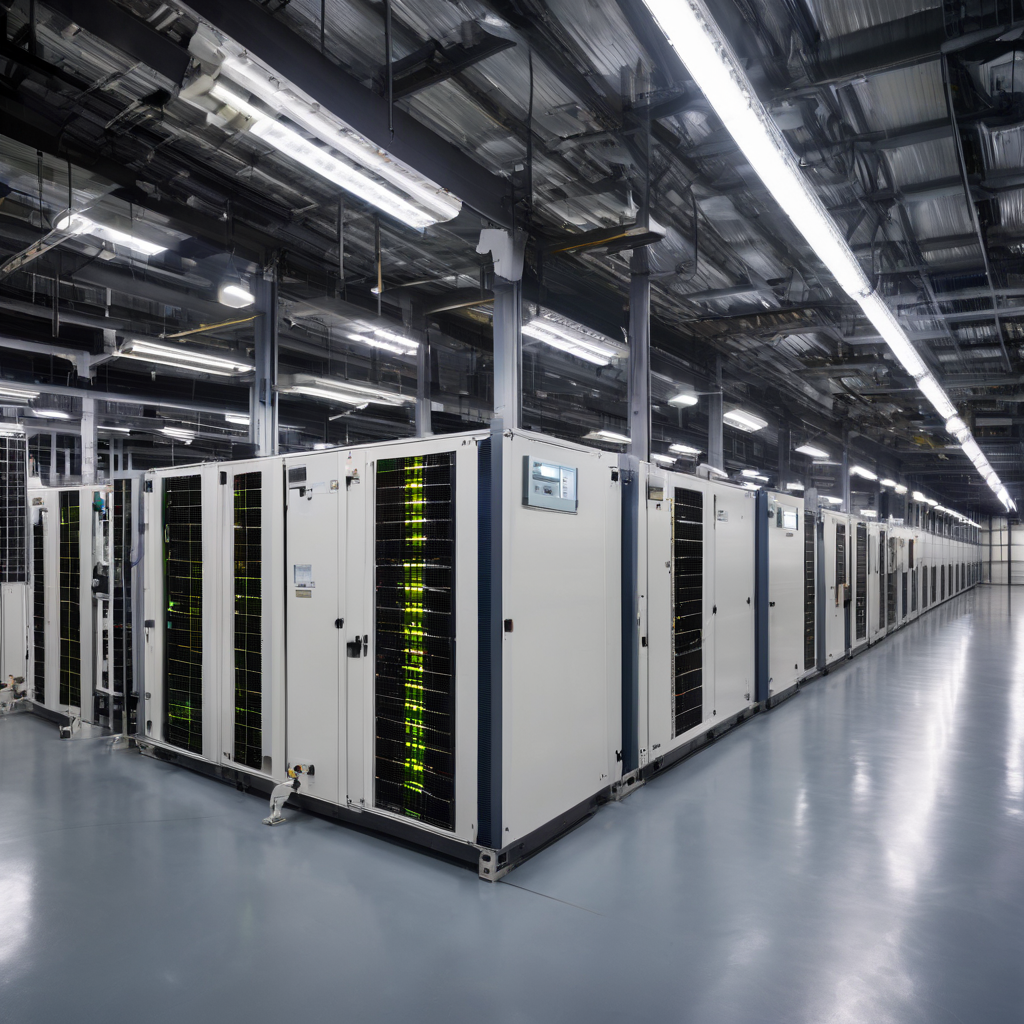
For hyperscalers, power outages aren't just inconvenient. They're catastrophic. A single minute of downtime can cost millions in lost revenue and damaged customer trust. Traditional backup generators take precious seconds to kick in, an eternity in the digital world where microseconds matter.
Fluence's battery systems offer something generators can't: instantaneous response. When grid power fluctuates or fails, batteries can seamlessly maintain operations without the telltale flicker that signals system vulnerability. It's like having a surge protector for an entire data center, but one that can sustain operations for hours rather than milliseconds.
More strategically, these battery systems allow hyperscalers to smooth out their massive power demands, drawing electricity during off-peak hours and deploying it when AI training runs spike demand. This load-shifting capability makes them better neighbors to utilities and other grid users, a crucial consideration as data centers face increasing scrutiny over their energy consumption.
The Hyperscaler Infrastructure Arms Race
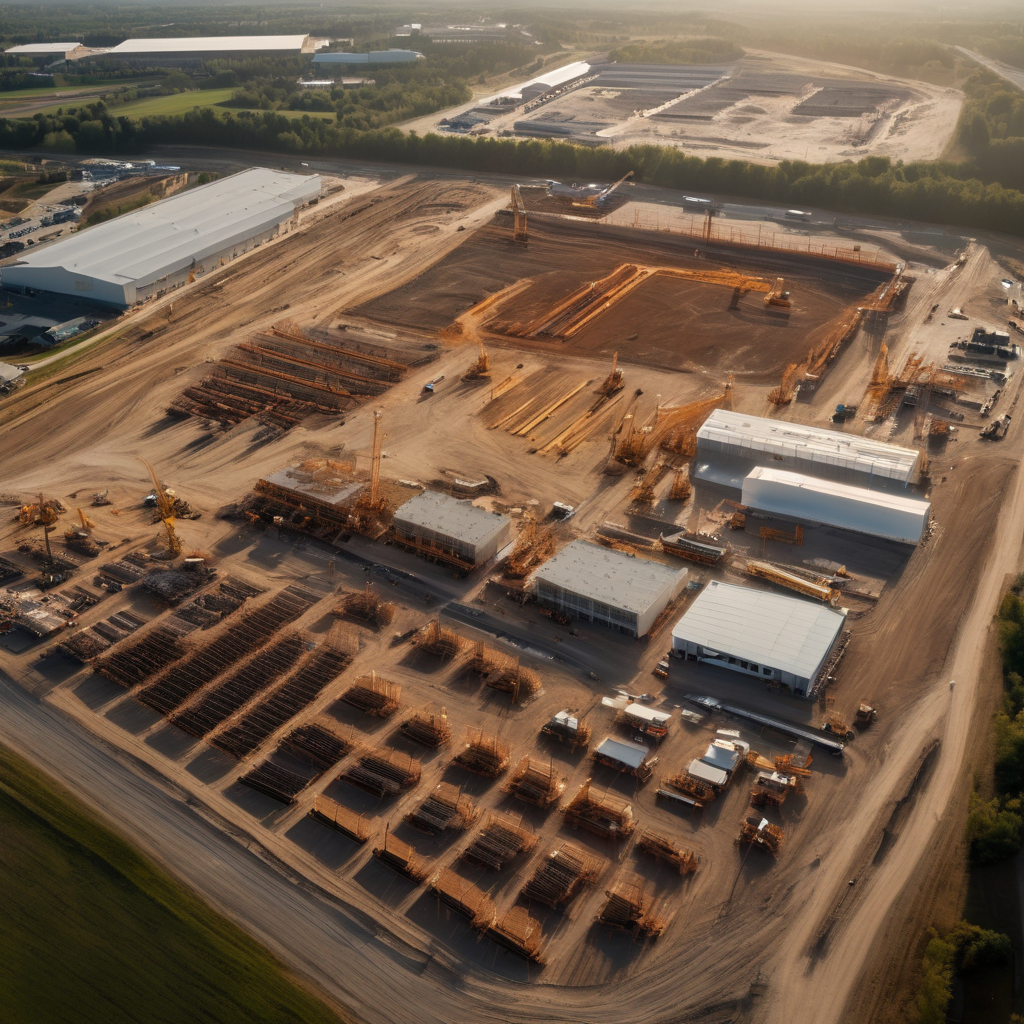
The master supply agreement structure signals something profound about how hyperscalers view their energy future. Rather than negotiating individual projects, they're essentially pre-ordering Fluence's technology for multiple deployments. It's the difference between buying a single car and securing a fleet purchasing agreement. It suggests serious, long-term infrastructure plans.
This approach makes sense when you consider the scale of hyperscaler ambitions. Microsoft recently announced plans to triple its data center capacity by 2030. Amazon Web Services continues expanding globally at breakneck pace. Google is racing to support its AI initiatives across multiple continents. Each of these expansions requires not just computing hardware, but the energy infrastructure to power and protect it.
For Fluence, these agreements provide the revenue visibility that Wall Street craves while establishing the company as the go-to partner for the world's most demanding energy customers. It's a positioning that could prove invaluable as the data center boom accelerates and competitors scramble to establish similar relationships.
The convergence of AI's power hunger and grid reliability challenges creates a perfect storm of opportunity for energy storage companies like Fluence. By securing these hyperscaler partnerships ahead of schedule, Fluence isn't just riding the wave. It's helping to power the digital transformation that's reshaping how we work, communicate, and think about the future.