


America's solar infrastructure is hitting its stride, with utility-scale generation poised to surge 19% this summer compared to last year—a milestone powered by a robust 20% increase in capacity, according to fresh data from the Energy Information Administration.
It's the energy equivalent of adding an entire new lane to the nation's power highway. This isn't just about more panels gleaming in the sun; it represents a fundamental shift in how America generates electricity, moving from a grid dominated by fossil fuels to one increasingly powered by renewable sources.
The Numbers Behind the Solar Boom
The EIA's figures reveal more than just impressive percentages. They signal that solar has moved beyond experimental technology into industrial-scale deployment. A 20% capacity increase in a single year represents billions of dollars in infrastructure investment and thousands of megawatts of new generation capability.
This growth trajectory puts solar on track to become one of the dominant sources of summer electricity generation, particularly crucial during peak demand periods when air conditioning drives consumption to annual highs. For energy consumers, this translates into a more resilient grid with increasingly diverse power sources.
What This Means for Your Energy Bill
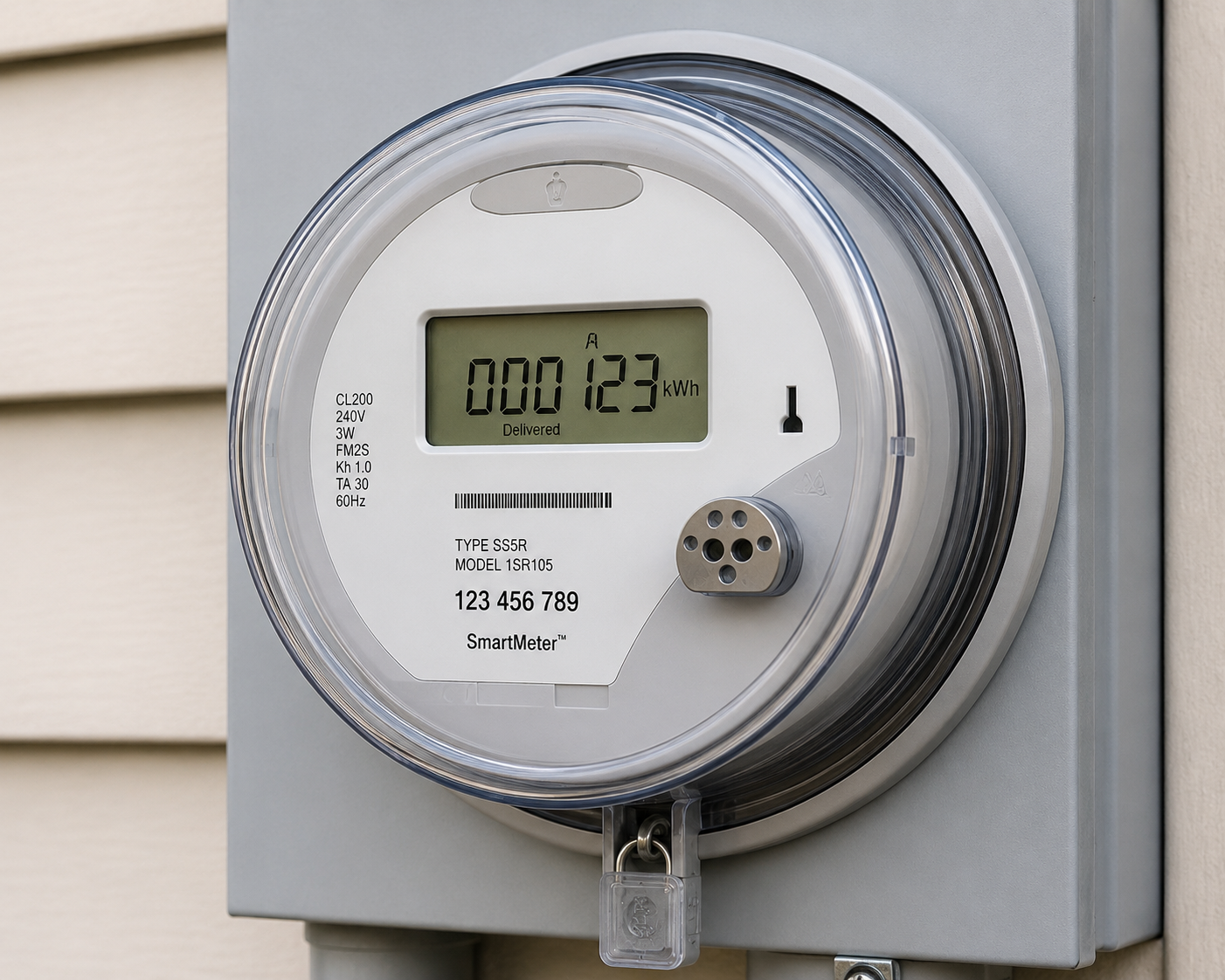
The solar capacity expansion arrives at a critical moment for American households grappling with energy costs. More solar generation typically means lower wholesale electricity prices during peak sunlight hours, though the benefits to individual consumers depend heavily on their local utility structure and regional energy markets.
The timing is particularly significant as utilities prepare for summer's energy-intensive months. Solar generation peaks precisely when demand spikes, creating a natural alignment between supply and consumption that fossil fuel plants struggle to match.
As America's renewable energy infrastructure matures, these capacity increases represent more than impressive statistics. They signal a fundamental transformation in how the nation powers itself, moving toward a more distributed, resilient, and increasingly cost-effective energy system that promises to reshape both the grid and consumer energy costs for years to come.


