


New York's solar revolution reached a milestone this month that perfectly captures the paradox of America's energy transition. The state shattered its hourly solar generation record at 5.6 gigawatts while simultaneously operating on the thinnest reliability margins in recent memory.
Think of it as driving a Ferrari with worn-out brakes—impressive performance shadowed by mounting risk. This juxtaposition reveals the complex reality facing grid operators nationwide as they navigate between ambitious clean energy goals and the fundamental obligation to keep the lights on.
The Double-Edged Sword of Solar Success
The New York Independent System Operator's latest findings paint a picture of remarkable progress coupled with systemic vulnerability. That 5.6 GW solar peak represents enough clean electricity to power roughly 4.2 million homes—a testament to the state's aggressive renewable energy push and falling solar costs.
But here's where the story gets complicated. As New York has rapidly scaled its solar capacity, the grid's ability to maintain reliable service has quietly eroded. The state's electric system is now "operating with the narrowest reliability margins in recent years," according to NYISO's assessment.
This isn't unique to New York. Across the country, grid operators are grappling with what energy experts call the "reliability-renewables tension, " or the challenge of integrating variable clean energy sources while maintaining the rock-solid reliability that modern society demands.
Why Grid Reliability Matters More Than Ever
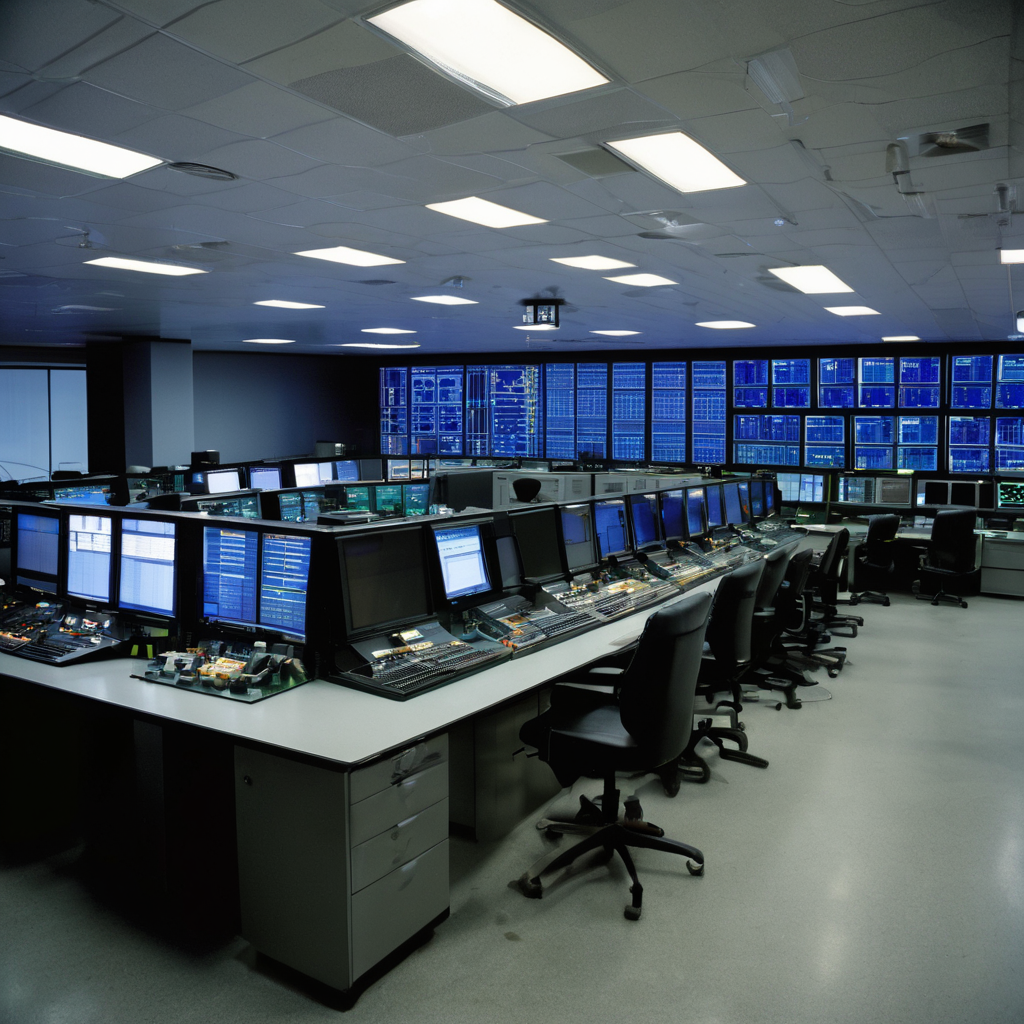
For consumers, reliability margins might sound like technical jargon, but they're actually the invisible safety net protecting your daily life. These margins represent the buffer between electricity supply and demand. It's the cushion that prevents blackouts when a power plant trips offline or demand unexpectedly spikes.
As these margins shrink, the risk of cascading failures increases exponentially. A single equipment failure that might have been manageable five years ago could now trigger widespread outages affecting millions of customers. The economic consequences are staggering: even brief blackouts can cost billions in lost productivity, spoiled goods, and disrupted services.
New York's situation is particularly acute because the state has been retiring traditional power plants faster than it's building the grid infrastructure needed to support renewable energy.
The Infrastructure Investment Imperative
The path forward requires massive investment in grid modernization, including smart systems that can predict and respond to the variable nature of renewable energy. This includes advanced battery storage, improved transmission lines, and sophisticated software that can balance supply and demand in real-time.
For New York ratepayers, this reality check comes with a price tag. The state will need to invest billions in grid upgrades over the next decade, costs that will ultimately flow through to consumer bills. But the alternative—a brittle grid prone to failures—would be far more expensive in the long run.
The silver lining? New York's experience is providing valuable lessons for other states pursuing aggressive clean energy transitions. By confronting these challenges head-on, the state is essentially beta-testing the future of American electricity for the rest of the nation.


