


The electric grid is facing an unprecedented challenge: how to handle the explosive growth of data centers without passing the astronomical connection costs to everyday consumers. FirstEnergy just threw down the gauntlet with a bold proposal that could reshape how America's digital infrastructure pays for its power.
The Ohio-based utility is asking federal regulators to force data centers to shoulder the full cost of connecting to the transmission grid. This is a practice borrowed from the natural gas pipeline industry that could fundamentally alter the economics of the digital economy. It's like asking new luxury developments to build their own highways instead of having taxpayers foot the bill.
The Billion-Dollar Grid Connection Problem
Data centers aren't your typical electricity customers. These digital warehouses can consume as much power as entire cities, requiring massive infrastructure upgrades that can cost hundreds of millions of dollars. Traditionally, these transmission upgrade costs have been spread across all utility customers through rate increases, which means your monthly electric bill helps subsidize Amazon's cloud computing empire.
FirstEnergy's proposal would flip this model entirely. Under their plan, data centers would pay upfront for all transmission infrastructure needed to connect them to the grid, similar to how natural gas companies require pipeline customers to guarantee capacity costs before construction begins.
The timing isn't coincidental. The Federal Energy Regulatory Commission (FERC) is expected to issue a landmark decision on large load interconnection policies on June 18, potentially affecting billions of dollars in infrastructure investments and fundamentally changing how America builds its digital backbone.
Why Gas Pipeline Logic Makes Sense for Electrons
The natural gas industry learned this lesson decades ago. When a major industrial customer wants to connect to a pipeline, they don't just pay a monthly fee. They guarantee the pipeline company will recover its construction costs over the long term. This "ship or pay" model ensures that existing customers don't subsidize new infrastructure they'll never use.
FirstEnergy's proposal applies similar logic to electricity transmission. If a data center wants to plug into the grid and requires a new $500 million transmission line, they should guarantee those costs rather than spreading them across millions of residential customers who see no direct benefit from the connection.
The Consumer Protection Angle
For ordinary electricity customers, this proposal represents a crucial firewall against rising rates. Data center electricity demand is projected to grow 160% by 2030, according to recent industry forecasts. Without cost allocation reforms, residential and commercial customers could face significant rate increases to fund infrastructure primarily benefiting Big Tech companies.
Consider the math: a single hyperscale data center might require transmission upgrades costing $300-500 million. Spread across a utility's customer base, that could translate to $50-100 in annual rate increases for typical households. FirstEnergy's approach would eliminate this cross-subsidy entirely.
The proposal also addresses grid reliability concerns. By requiring data centers to commit to long-term cost recovery, utilities can build more robust infrastructure without worrying about stranded assets if facilities relocate or reduce operations.
Industry Pushback and Economic Reality
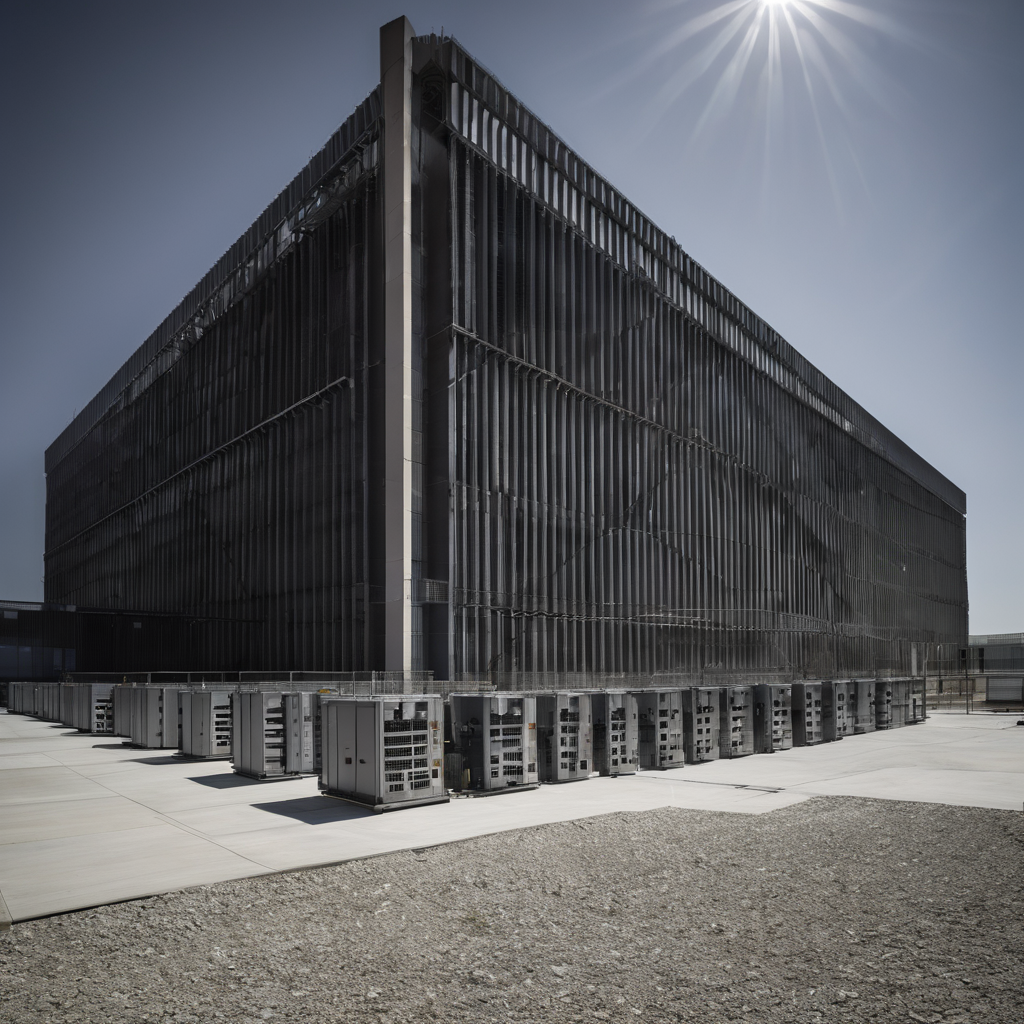
Data center operators and their tech company customers are likely to resist any proposal that increases their infrastructure costs. These facilities already face intense pressure to minimize expenses while maximizing computing capacity and energy efficiency.
However, the current system creates perverse incentives. Data centers can demand grid connections knowing that cost overruns will be socialized across all utility customers. This effectively provides a hidden subsidy to digital infrastructure at the expense of traditional electricity users.
FirstEnergy's proposal would force data center developers to internalize these costs, potentially leading to more efficient location decisions and infrastructure designs. Facilities might choose locations with existing transmission capacity rather than remote areas requiring extensive new construction.
The June 18 FERC decision will likely influence utility planning and data center development for decades to come. If regulators embrace FirstEnergy's cost allocation approach, it could slow data center growth in some regions while encouraging more strategic infrastructure investments. For consumers, it represents a rare opportunity to avoid subsidizing Big Tech's infrastructure needs through their monthly electric bills.


