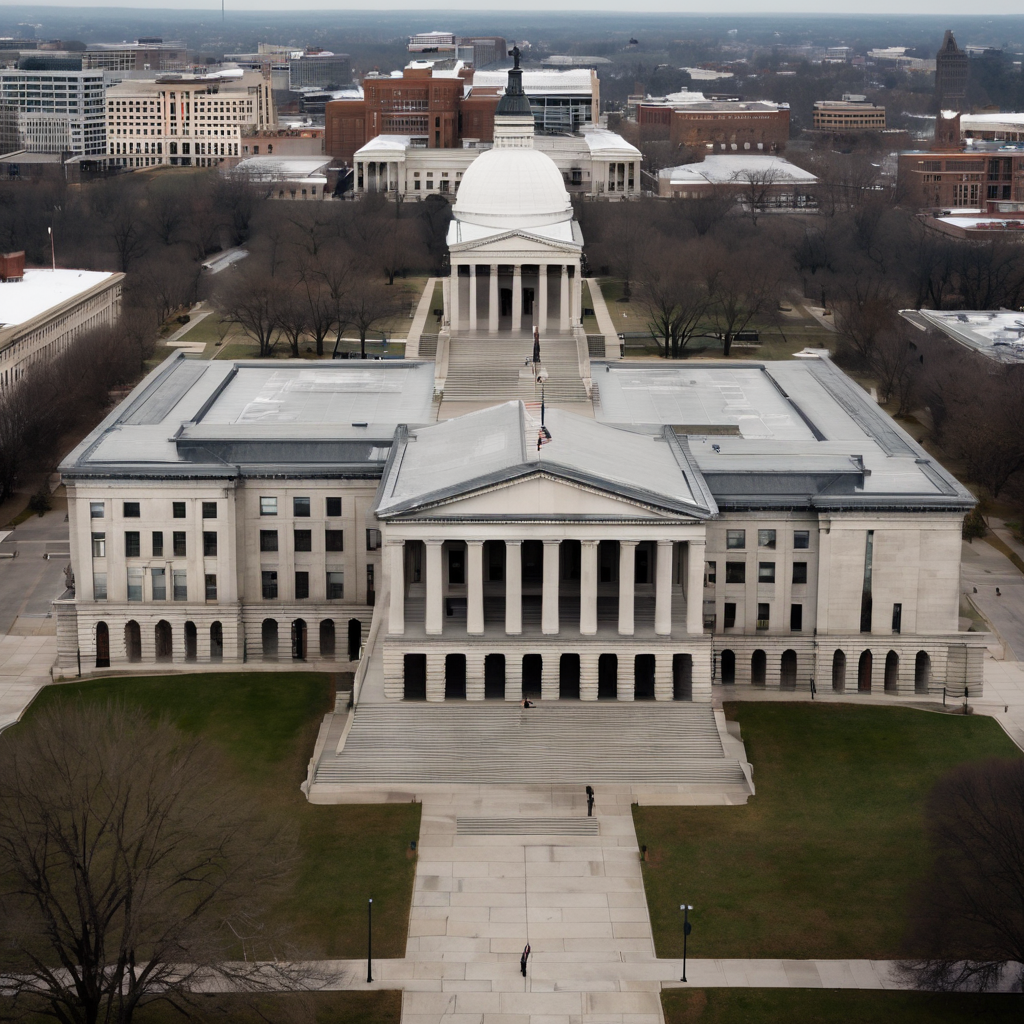
In politics, as in the energy grid itself, sometimes the biggest disruptions come from sources everyone underestimated. This week, a scrappy but well-capitalized political action committee backed by renewable energy interests delivered a jolt to Washington by helping unseat Rep. Andy Ogles, a conservative Tennessee Republican who had the vocal support of President Donald Trump. The message was unambiguous: solar money now has the wattage to reshape congressional races.
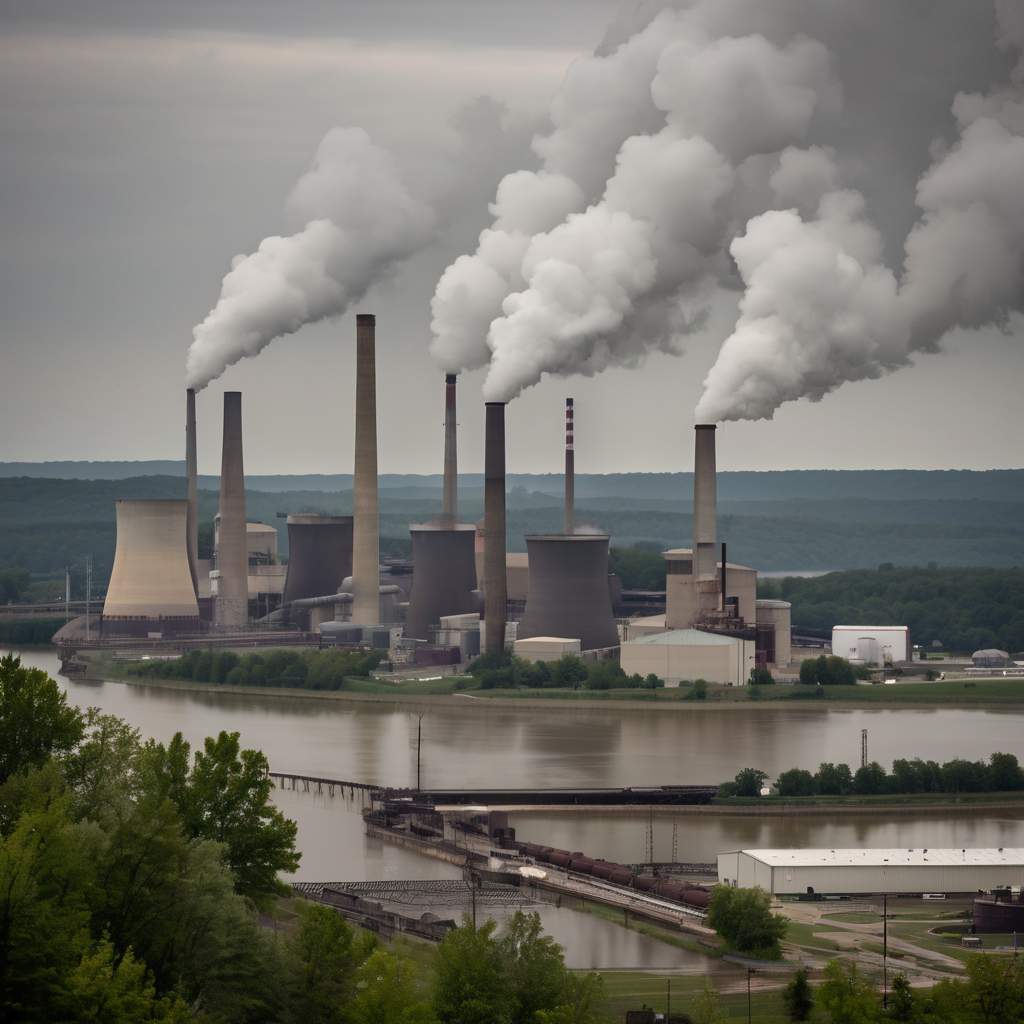
For years, fossil fuel interests dominated the energy lobbying landscape, their influence as entrenched as an aging coal plant humming along on regulatory inertia. But the defeat of Ogles suggests a tectonic shift, one where clean energy advocates are no longer content playing defense in statehouses and regulatory hearings. They're now playing offense in the most consequential arena of all: elections.
The Anatomy of an Upset
Ogles was not a fringe figure easily dismissed. He was a sitting Republican congressman with an endorsement from a sitting president, the political equivalent of having both baseload power and a full battery reserve. Yet the renewable energy-backed PAC managed to out-organize and out-message that advantage, marking what may be the clearest electoral proof-of-concept yet for climate-aligned political spending.
This matters enormously for energy consumers, even those who never think about who funds their representative's campaign. Members of Congress shape everything from tax credits for rooftop solar to permitting timelines for transmission lines that carry wind power from the Great Plains to major cities. When the people writing those rules change, so does the pace — and cost — of America's energy transition.
Why Energy Politics Just Got More Competitive

Think of the energy policy landscape as a power grid with two competing generation sources fighting for dominance. For decades, fossil fuel money functioned steadily: reliable, and deeply embedded in the system's architecture. Renewable energy political spending, by contrast, has often resembled intermittent generation. Present, but not always dispatchable at the moments that mattered most.
That appears to be changing. The PAC's ability to defeat an incumbent with presidential backing suggests renewable energy interests have found their equivalent of grid-scale storage: sustained, strategic investment capable of delivering impact exactly when needed, rather than sporadic contributions that fizzle before Election Day.
For energy consumers, this development is not merely political trivia. It's a preview of policy battles to come. Races like Ogles' send ripples through committee assignments, subcommittee leadership, and ultimately the legislative priorities that determine whether your utility bill reflects investment in modern grid infrastructure or continued reliance on aging, expensive systems.
What This Signals for Future Races
Political analysts often describe individual races as bellwethers, but the Ogles defeat feels more like a stress test — a real-world demonstration of whether renewable-aligned political spending can move votes even against significant headwinds, including presidential endorsement. It passed that test decisively.
Expect this outcome to embolden similar PAC activity heading into future election cycles. Just as utilities study grid failures to harden infrastructure against future stress, political operatives on both sides of the energy debate will study this race closely, looking for lessons on messaging, targeting, and turnout that can be replicated, or defended against, nationwide.
The broader energy transition has always been as much about political will as technological capability. Solar panels and wind turbines don't get built without permits, tax incentives, and transmission approvals. And those are all decisions made by elected officials who answer, ultimately, to whoever helped put them in office.
The Bigger Picture for Energy Consumers
It's tempting to view this story purely through a partisan lens, but the deeper significance lies in what it reveals about power, both electoral and electrical. Renewable energy has spent the last two decades proving its technical and economic viability. This race suggests it may now be proving its political viability as well.
For everyday energy consumers, that shift matters because political power increasingly determines infrastructure priorities: which transmission lines get built, which communities get access to clean energy jobs, and how quickly the grid modernizes to handle a more diverse and distributed set of energy sources.
The defeat of a Trump-backed incumbent by a renewable energy PAC won't single-handedly rewire America's energy future. But it does suggest the wiring diagram is changing — one competitive race at a time.