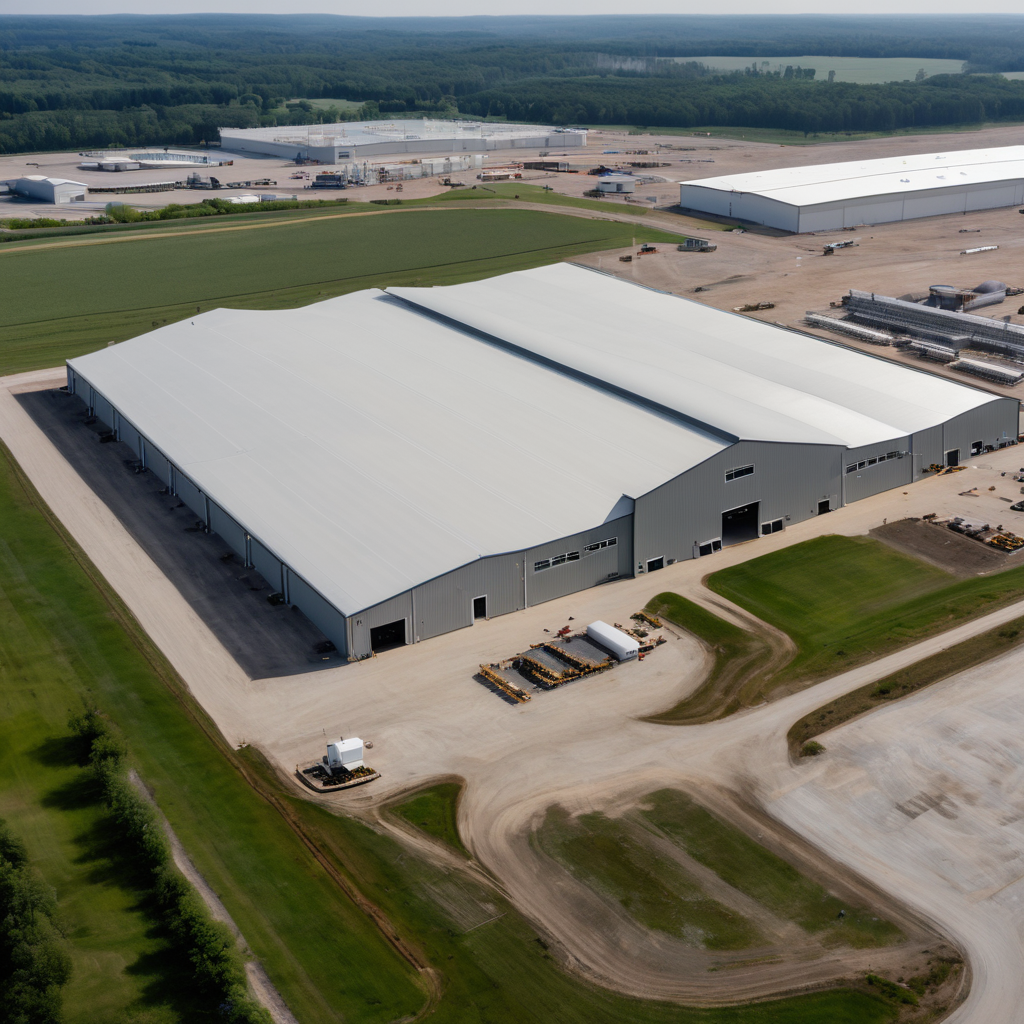
Think of American manufacturing right now as a house under construction. The framing is going up fast: new semiconductor fabs, battery plants, and steel mills are breaking ground across the country, fueled by billions in federal incentives and a national push to reshore industry. But there's a critical decision happening at this exact moment that most people aren't watching closely enough: what powers the house once it's built. Get this wrong, and you're stuck retrofitting the wiring for the next thirty years.
That's the warning embedded in a recent call from WWF's Cihang Yuan, who argues that industrial electrification isn't a side project for sustainability teams. It's a core competitiveness question that belongs in the same conversation as tax credits, workforce training, and supply chain security. The logic is straightforward: factories built today will run for generations, and the energy systems they're designed around will determine whether they're cheap to operate or expensive liabilities.
Why the Fuel Choice Is a Cost Choice
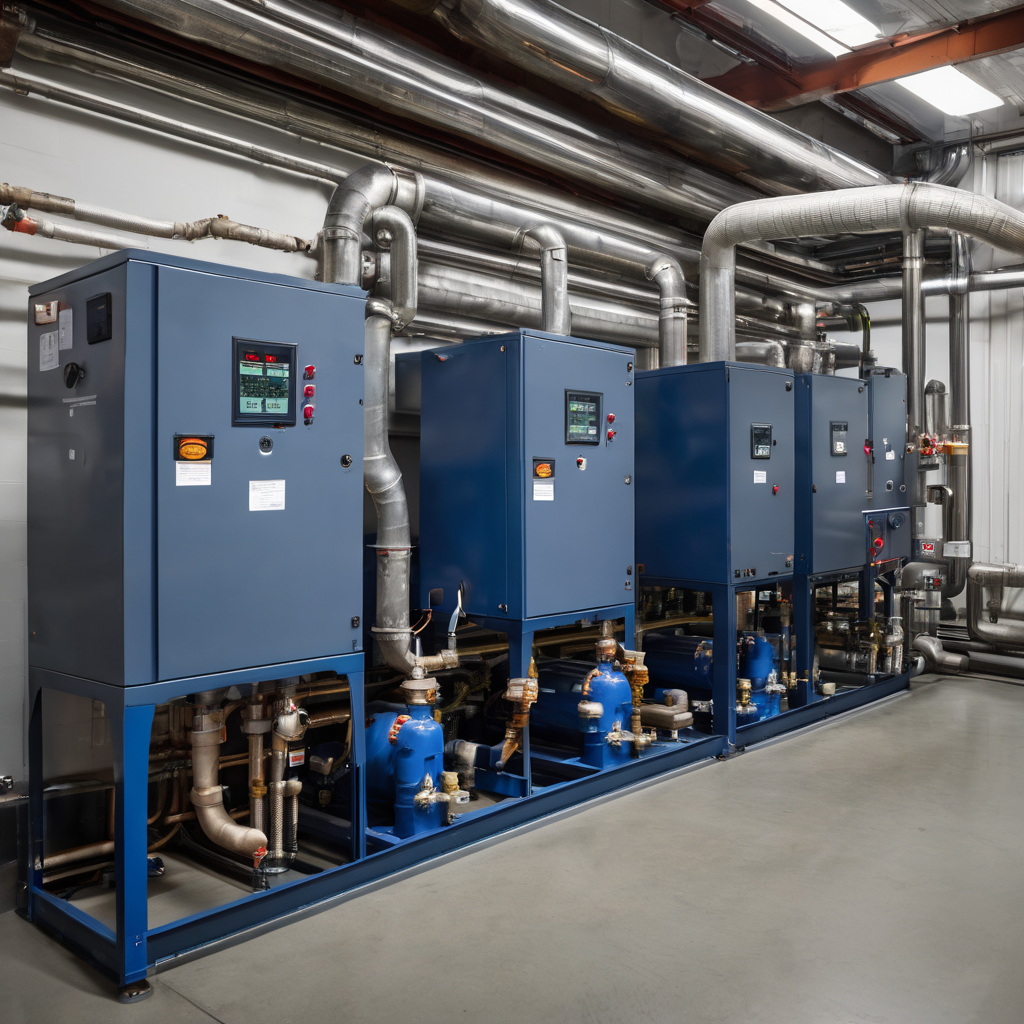
For over a century, heavy industry has run on combustion—natural gas furnaces, oil-fired boilers, coal for high-heat processes. That made sense when fossil fuels were reliably cheap and electric alternatives were either unavailable or prohibitively expensive for industrial-scale heat.
That calculus has flipped. Electric technologies for many industrial processes, from low-and-medium-temperature heat to certain material processing steps, are now commercially available and increasingly cost-competitive. Heat pumps, electric boilers, and induction systems can do jobs that once required burning something. This matters enormously for energy consumers because industrial electricity demand doesn't just add to the grid—it can reshape it, creating the kind of steady, predictable load that makes utility investment in generation and transmission more efficient for everyone, including households.
Industrial electrification should be treated as part of the broader manufacturing competitiveness agenda, as commercially-available technology advances.
Here's the analogy that makes this click: choosing combustion equipment for a new factory today is like buying a gas-guzzling car right as the gas station on your street shuts down. The infrastructure and cost trends are moving in one direction. Building in the old assumptions means building in future costs.
Three Steps to Get the Wiring Right
So how does the US avoid building a manufacturing renaissance on a fuel foundation that becomes obsolete mid-construction? The path forward rests on three practical moves.
First, treat electrification as an industrial policy tool, not an environmental afterthought. When federal and state governments design incentives for reshoring manufacturing, electrification options should be baked into the criteria, not bolted on later. A factory that's electric-ready from day one avoids the cost of tearing out combustion systems in ten years.
- Align incentives: Manufacturing grants and tax credits should reward electrification-ready facility design alongside job creation and domestic sourcing goals.
- Coordinate permitting: Utilities and industrial developers need faster, clearer pathways to secure the grid capacity new electrified plants require.
- Share the data: Companies that have already electrified processes should have channels to share cost and performance data, reducing the risk premium for followers.
Second, utilities need to plan for industrial demand as a partner, not a passive recipient. A steel plant or chemical facility that electrifies doesn't just need power. It needs a utility that can forecast, plan, and build transmission capacity years in advance. Right now, interconnection queues in many regions stretch for years, which is a poor match for a manufacturing boom that's already underway.
Why Consumers Should Care About Factory Wiring

It's tempting to see this as an industrial story with no bearing on household energy bills. That would be a mistake. Grid infrastructure is a shared resource. When industrial customers add predictable, well-planned demand, the fixed costs of transmission and generation get spread across more usage, which can ease upward pressure on residential rates over time.
The inverse is also true. If new factories are built with combustion systems that later require expensive electrification retrofits—or if industrial electrification happens chaotically, straining local grids without adequate planning—the costs of that disorder tend to land on everyone connected to the same wires, including the household down the street from the new plant.
Third, prioritize commercially available technology now rather than waiting for perfect solutions. Yuan's argument is notably pragmatic: this isn't a call to wait for breakthrough innovations in green hydrogen or next-generation storage. Heat pumps and electric process equipment that work today, at commercial scale, should be deployed today. Waiting for the ideal technology is how good options quietly become missed opportunities.
The Window Is Now, Not Later
The reshoring wave driving new factory construction won't wait for the energy system to catch up. Developers are pouring concrete this year, not in some hypothetical future when the grid is ready. That means the decisions being made on manufacturing floors and in utility planning offices right now will set the terms of American industrial competitiveness for decades.
Treating electrification as a core piece of the manufacturing strategy rather than a separate green initiative is how the US ensures its industrial revival is a truly modern one, not a rebuild of the same combustion-dependent system with a fresh coat of paint. Get the wiring right at the foundation, and both factories and the families whose electricity bills share the same grid stand to benefit.