

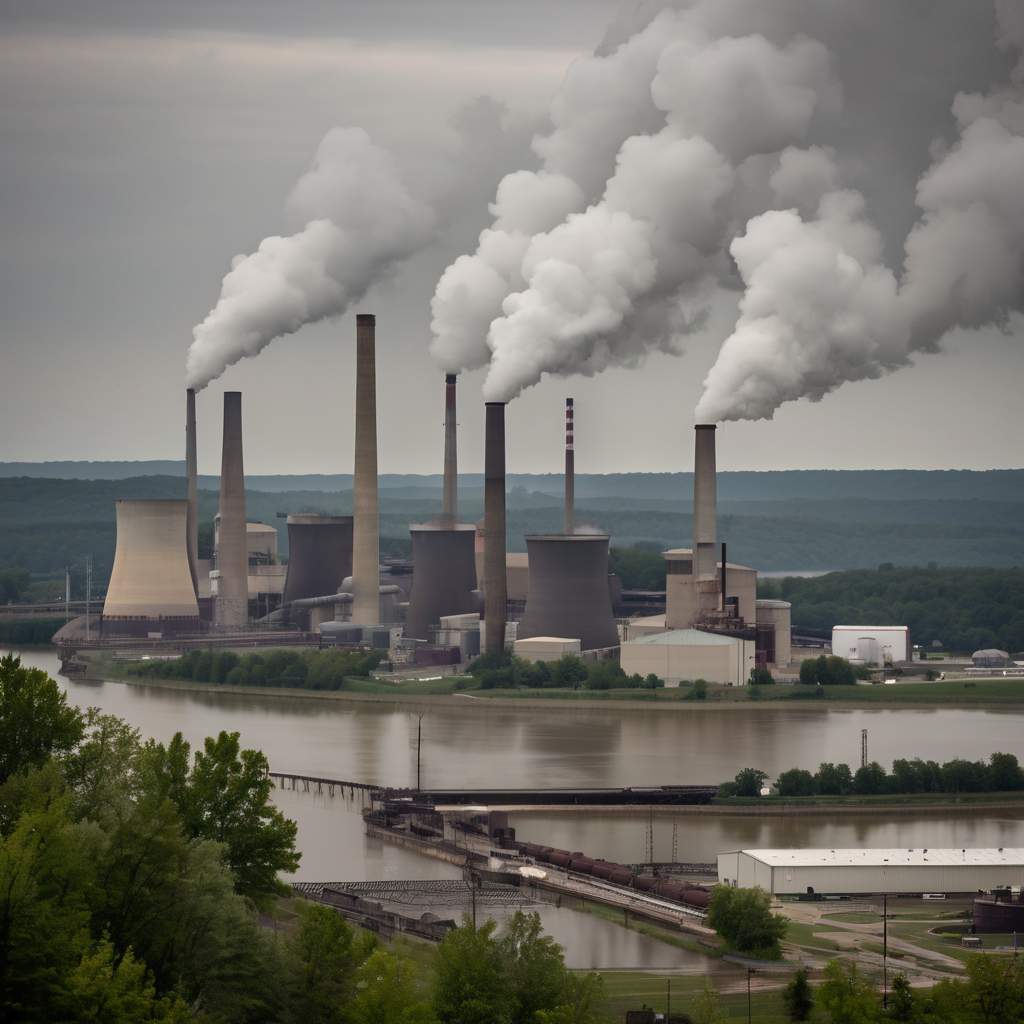
For years, the story of America's power sector read like a slow, steady climate win: coal plants retiring, natural gas and renewables filling the gap, emissions ticking downward almost every year. That narrative just hit a speed bump. According to new data from the U.S. Energy Information Administration, carbon dioxide emissions from the power sector rose 4% last year, a reversal that shows just how fragile the clean energy transition can be when demand for electricity surges.
Think of the U.S. grid as a massive, interconnected bathtub. Utilities have spent the last decade slowly draining out the dirtiest sources of power — coal, mostly — while renewables and gas trickle in to keep the tub full. But when demand spikes faster than clean supply can keep up, operators reach for whatever's fastest to turn the tap back on. Last year, that meant coal.
Why Emissions Bounced Back
The EIA's explanation is refreshingly straightforward: electricity generation increased, and utilities leaned more heavily on coal to meet that demand. It's a reminder that emissions trends aren't just a function of which power plants get built or retired — they're also a function of how much electricity the country actually needs in a given year.
When demand outpaces the growth of clean generation, coal becomes the fallback — even in a grid that's supposedly moving on from it.
That distinction matters enormously for anyone trying to forecast where U.S. emissions are headed. A single hot summer, a cold snap, or a surge in data center and AI-driven electricity consumption can all strain the grid in ways that make coal (still the most readily dispatchable large-scale power source in many regions) suddenly more attractive again, despite its outsized carbon footprint.
Why This Matters for Energy Consumers

This isn't just an abstract statistic for policy wonks. Rising power sector emissions have real consequences for households and businesses alike. Coal remains one of the most expensive fuels to burn on a marginal basis in many markets, and its resurgence can ripple into electricity bills, especially during periods of peak demand when utilities are forced to bring older, less efficient coal units online.
There's also a climate accountability dimension. The power sector has long been treated as the low-hanging fruit of U.S. decarbonization, the one part of the economy where emissions cuts seemed achievable and durable. A 4% increase complicates that story and raises uncomfortable questions:
- Is renewable and gas capacity actually being built fast enough to keep pace with rising electricity demand?
- How much of this demand growth is coming from data centers, electrification, and industrial activity — and is it temporary or structural?
- Are grid operators over-relying on coal as a stopgap rather than investing in flexible clean alternatives like storage and demand response?
A Warning Sign, Not a Verdict
One year of rising emissions doesn't undo a decade of progress, but it does serve as a useful gut check. The clean energy transition has often been framed as an inevitability; a one-way ratchet toward lower emissions. This data suggests otherwise. It's less a straight line and more a negotiation, one that gets renegotiated every time demand outpaces supply.
The real test now is whether this uptick is a blip or the start of a pattern. If electricity demand keeps climbing, driven by AI infrastructure, EV adoption, and electrification of heating, the pressure on utilities to lean on coal as a reliability backstop will only intensify unless clean capacity, transmission, and storage scale up dramatically faster than they have to date.
For now, the message from the EIA's numbers is simple but important: decarbonizing the grid isn't just about building more solar panels and wind farms. It's about building them fast enough, and pairing them with enough flexible, dispatchable clean capacity, to outrun demand growth itself. Until that race is won convincingly, expect more years like this one — where progress takes a step back before it can take two steps forward.


