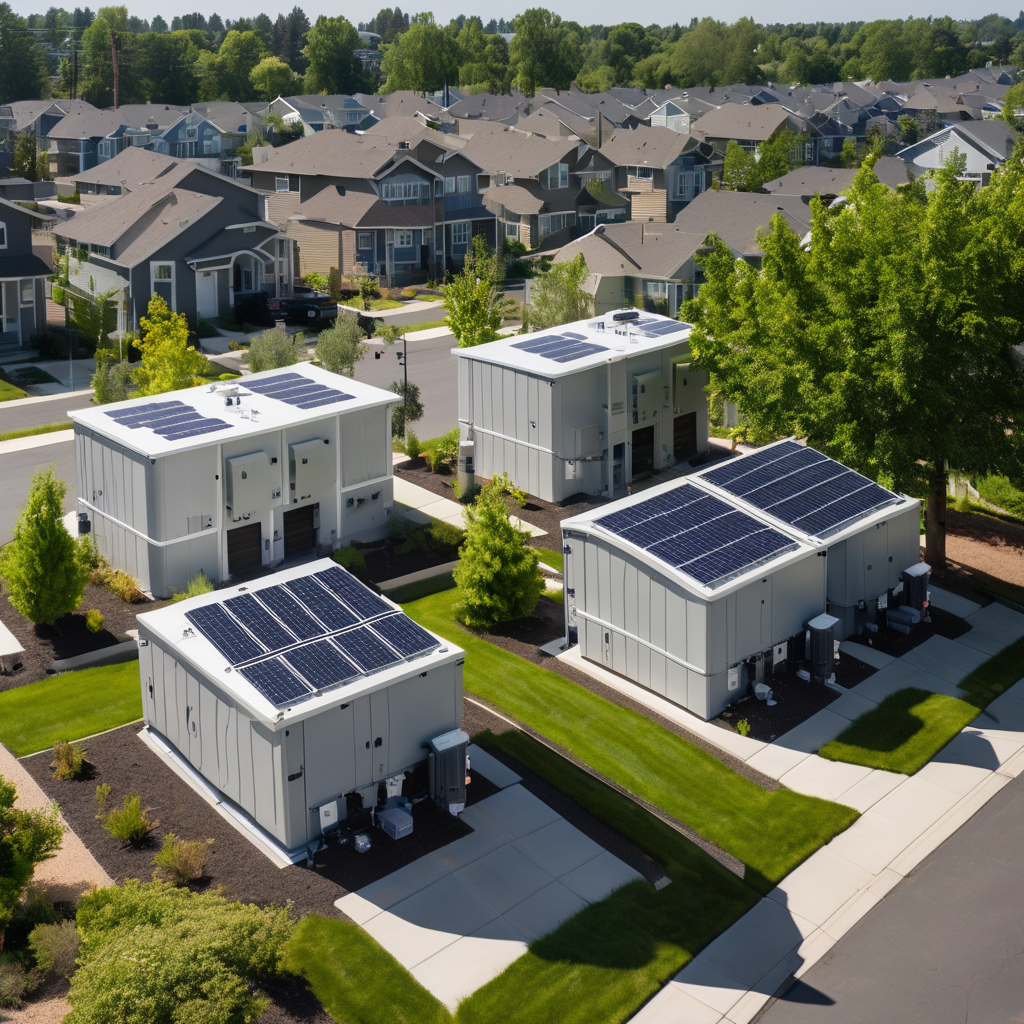
Somewhere in Texas, sunlight hitting 110 megawatts' worth of solar panels is being underwritten, in part, by people who spent their afternoon leveling up in a video game. It sounds like the setup to a punchline. It isn't. It's the leading edge of a financing innovation that could reshape how clean energy projects get built in America.
The mechanism is called a fractionalized virtual power purchase agreement, and while the name reads like something an accountant dreamed up during a caffeine bender, the concept is refreshingly simple: instead of requiring one massive corporate buyer to commit to purchasing a solar project's entire output, developers can now slice that commitment into smaller pieces and sell them to a broader pool of buyers—including, apparently, gaming platforms with environmentally conscious user bases.
Rethinking Who Gets to Fund the Grid
For decades, utility-scale solar and wind projects have depended on a narrow cast of financiers: big banks, private equity funds, and Fortune 500 companies signing long-term power purchase agreements. Think of it like a Broadway show that only accepts a handful of wealthy angel investors to bankroll production. It works, but it's exclusionary, and it leaves a lot of capital sitting on the sidelines.
Fractionalized VPPAs flip that script. They function a bit like crowdfunding for clean energy—except instead of donating for a tote bag, buyers receive renewable energy certificates (RECs) or a proportional financial stake tied to the project's power output. An executive involved in the Texas transaction told Utility Dive that this structure opened the door to buyers who previously couldn't participate at the scale traditional VPPAs demand.
“Fractionalized” virtual power purchase agreements and renewable energy certificate transactions can help underwrite clean energy projects, according to an executive involved in the deal.
That's a meaningful shift. It means a mid-sized company (or even a gaming platform monetizing its sustainability commitments) can now write a check that's proportional to its actual needs, rather than being priced out of the market entirely.
Why Video Gamers, Of All Buyers
The involvement of gaming interests isn't as random as it first appears. Gaming platforms have enormous, energy-hungry server infrastructure and increasingly vocal, climate-conscious user bases. Purchasing fractional clean energy contracts—or the RECs associated with them—lets these platforms make credible sustainability claims without needing the balance sheet of an oil major.
It's a bit like buying a single share of a vineyard instead of purchasing the whole estate: you still get a legitimate stake in the harvest, just scaled to what you can actually use. For the 110-MW Texas project, that scaled-down buy-in from a gaming-adjacent purchaser provided crucial financial backing that helped move the project from spreadsheet to steel-in-the-ground.
Why This Matters for the Broader Grid
This isn't just a curiosity for renewable energy financing nerds. Widening the buyer pool for clean energy projects has real consequences for how fast the U.S. can build out solar and wind capacity—capacity that's increasingly necessary as data centers, EVs, and electrified heating strain existing grid infrastructure.
- More buyers means more competition for clean power, which can speed up project timelines.
- Smaller commitment sizes mean mid-market companies can participate in decarbonization without the financial exposure of a traditional VPPA.
- Diversified financing sources make individual projects less vulnerable if one large buyer backs out.
In an energy landscape where interconnection queues stretch for years and financing bottlenecks routinely stall promising projects, any mechanism that broadens the capital base deserves attention. Fractionalized deals essentially democratize an asset class that was previously gated behind institutional-sized checkbooks.
A Preview of Clean Energy's Financing Future
The Texas solar project is a proof of concept, not necessarily a template that every developer will rush to copy tomorrow. But it does suggest an emerging appetite for creative capital stacking in renewables, particularly as interest rates and supply chain costs have made traditional financing tighter than it was during the sector's earlier boom years.
If fractionalized VPPAs catch on, the pool of clean energy financiers could soon include companies well outside the traditional utility or Fortune 100 sphere—gaming platforms, streaming services, e-commerce players, or any business with both a sustainability mandate and a moderate appetite for climate investment.
For consumers, the ripple effects are subtle but real: more diversified financing tends to mean more projects reaching completion, which eventually translates into more clean electricity flowing onto grids that badly need it. The next time you're deep in a gaming session, there's a small but genuine chance that your subscription dollars are quietly helping keep Texas solar panels spinning toward the sun.