


Every large transformer on the American grid starts as a coil of steel, and exactly one mill in this country rolls it.
What happened
Construction Dive's Nathan Owens reported on Oct. 12 that Cleveland-Cliffs is moving ahead with a $200 million expansion at Butler Works, its mill in Lyndora, Pennsylvania, with $75 million of the cost covered by an award from the US Department of Energy. The project drew federal visitors the week before: Energy Secretary Chris Wright, Assistant Energy Secretary Audrey Robertson and Under Secretary of Commerce William Kimmitt walked the plant on Oct. 6, a stop covered locally by Butler Radio's Tyler Friel and by WPXI.
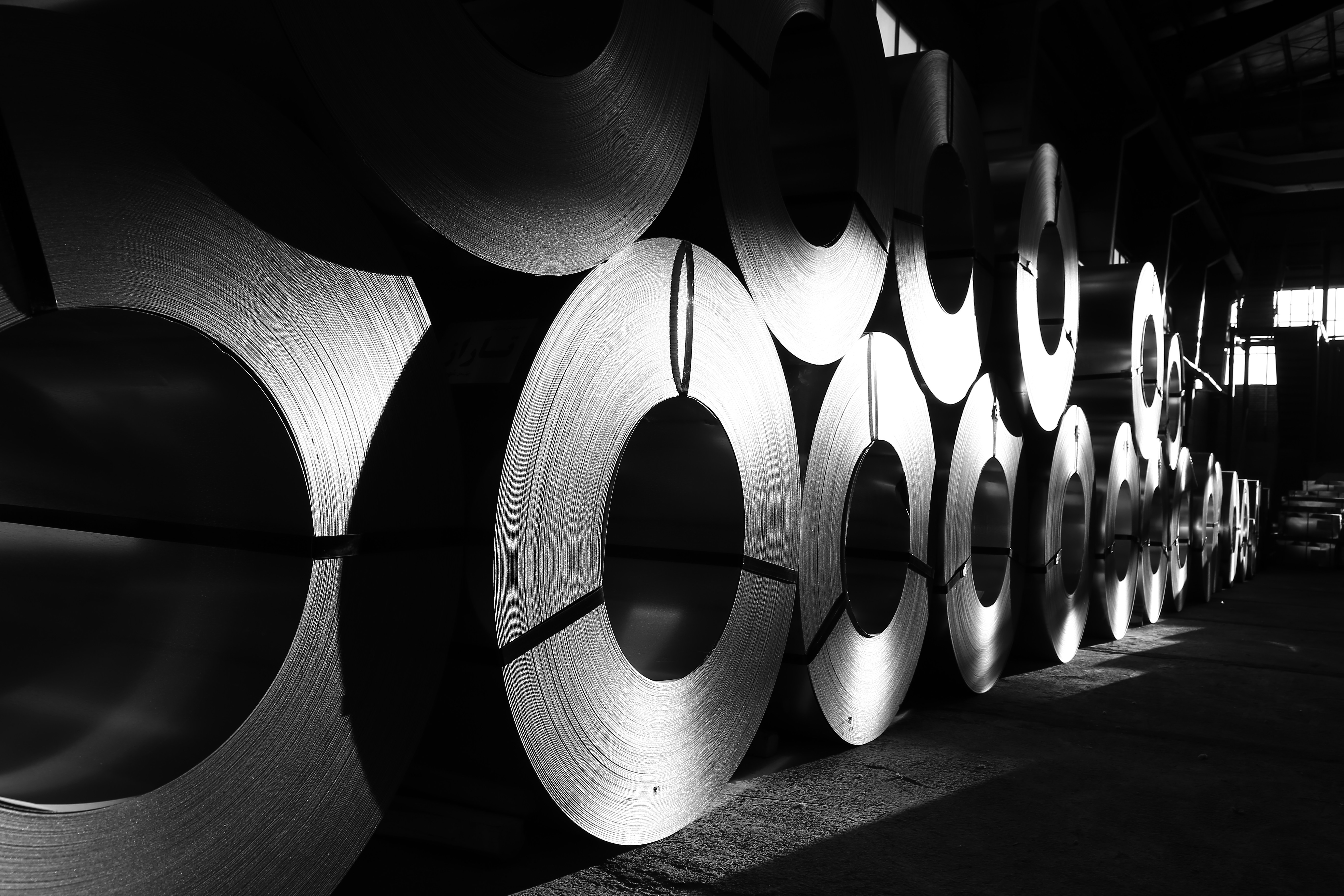
Butler Works makes grain-oriented electrical steel, shortened in the trade to GOES: a specialty steel whose crystal grains are lined up in a single direction so the metal loses less energy as the magnetic field inside a transformer reverses itself sixty times a second. Stack hundreds of those thin sheets together and you have the core of a transformer. Butler is the only plant in the United States that makes it.
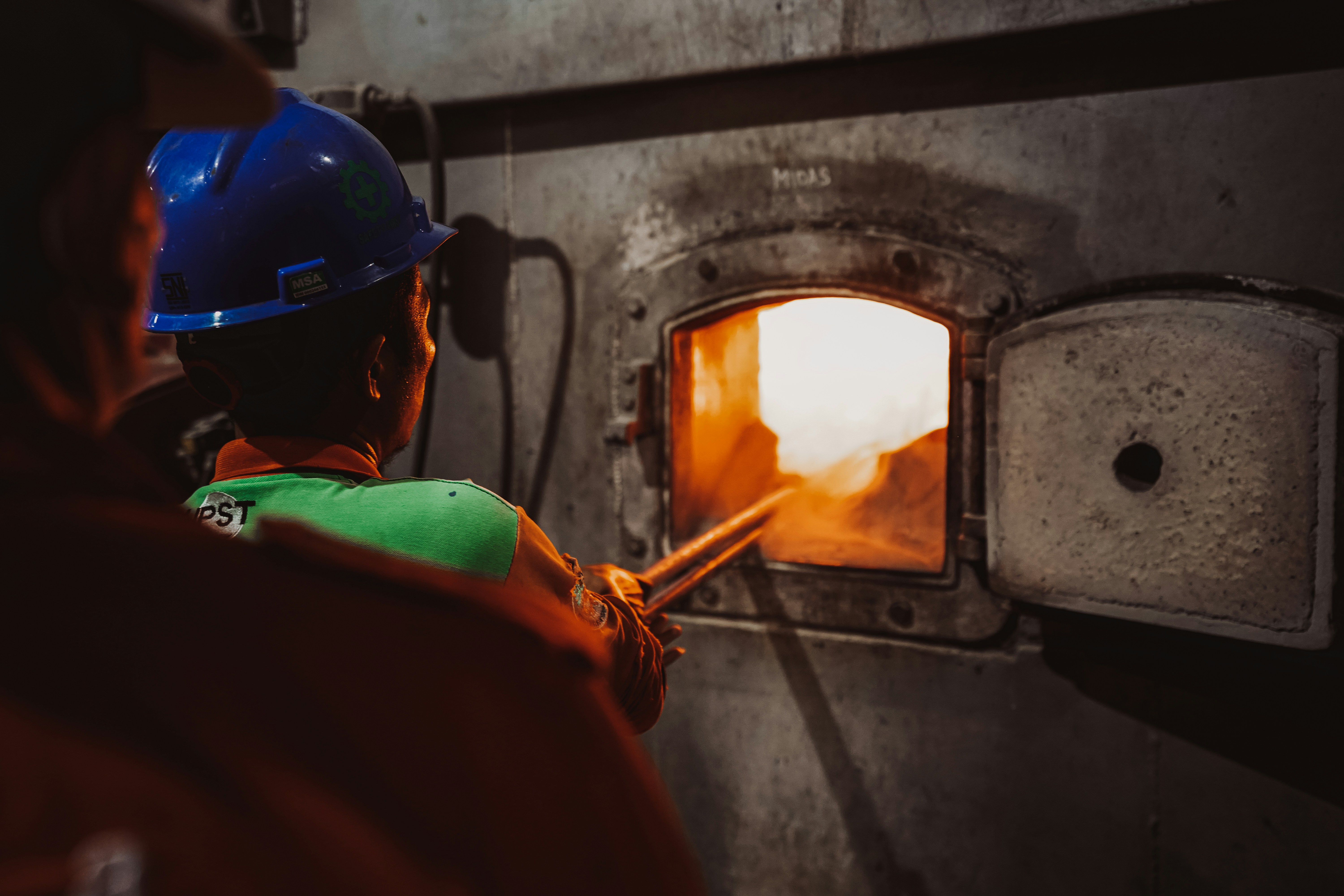
The expansion is mostly new equipment rather than new walls. Cleveland-Cliffs is installing induction reheat furnaces, fabricated in Warren, Ohio, that bring steel slabs up to rolling temperature more precisely, along with other upgrades inside the existing building. The company says the work will lift GOES output at Butler by up to 25 percent without enlarging the footprint, and expects it finished in early 2028.
Why it counts
Start with the crews, because that is the part with a date on it. Cleveland-Cliffs puts peak construction at roughly 220 workers, filled through local union building trades. That is a real call sheet for electricians, millwrights, ironworkers, pipefitters and operators in Butler County and the halls around it, running from now through an early 2028 finish, on a job that does not move overseas and does not get value engineered into a smaller crew halfway through.
Behind that crew sits a payroll that was already there. Butler Works runs with about 1,200 permanent employees represented by United Auto Workers Local 3303, about $187 million in annual wages, and more than $200 million a year spent on local supplies and services. Expansions of this kind matter most when they protect an existing payroll rather than promising a new one, and this one does both: it keeps 1,200 people making a product the grid cannot do without, and it hires several hundred more to build the thing that lets them make more of it.
There is a second state in this story. The induction furnaces themselves are being built in Warren, Ohio, which means fabrication hours, welding, machining and shipping work in the Mahoning Valley before a single slab moves through them in Pennsylvania. One capital project, two shop floors, both of them union country.
"This investment demonstrates the importance of maintaining domestic manufacturing capabilities," Cleveland-Cliffs Chairman and CEO Lourenco Goncalves said of the Butler project.
The buildout math behind it is simple enough. Every substation a utility rebuilds, every generator that comes online, every large new customer that needs service, all of it ends at a transformer, and every transformer ends at a core made of this steel. Energy Secretary Wright, standing in the plant, called grain-oriented electrical steel the most critical ingredient in a transformer. Utilities and transformer builders have spent the past several years competing for that supply. A 25 percent lift at the only domestic source is the kind of thing that shows up later as a substation finished on schedule.
The numbers
$200 million: Cleveland-Cliffs' investment at Butler Works, with a $75 million Department of Energy award alongside it.
220: approximate peak construction workers, hired through local union building trades.
1,200: permanent employees at the mill, represented by UAW Local 3303.
$187 million: approximate annual wages paid at Butler Works.
$200 million plus: annual spending on local supplies and services.
25 percent: the increase in grain oriented electrical steel output the project is designed to deliver, inside the same building.
Early 2028: expected completion.
Every one of those figures comes from Cleveland-Cliffs' own announcement of the project and the trade coverage that followed it, linked below.
What comes next
Three things are worth watching, and none of them are mysteries. The first is the fabrication schedule in Warren, because induction reheat furnaces are built before they are installed, and that work is already underway. The second is how the mill sequences installation against production, since this equipment goes into a plant that has to keep shipping steel while the crews work around it. The third is the trades dispatch in Butler County: 220 at peak is a number that local halls will feel, and the ramp toward it is the clearest near term signal that the schedule is holding.
Further out, the decisions that shape demand for this product are made in places other than the mill. Federal efficiency standards for distribution transformers sit with the Department of Energy, and utility and regional transmission planning decisions sit with state commissions and grid operators. Butler's job is to be ready with the steel when those plans turn into purchase orders.
The Bottom Line
A specialty mill in western Pennsylvania just got a construction schedule, a federal co investment and a 25 percent production target, and the whole thing lands on about 220 trades workers and the 1,200 people who will run the line afterward. The grid story gets told in gigawatts most of the time. This one gets told in slabs, coils, furnace installs and a UAW local that still has 1,200 reasons to show up Monday.
Sources: Construction Dive, Nathan Owens, Oct. 12, 2026 | Cleveland-Cliffs announcement, Oct. 4, 2026 | SteelOrbis, Oct. 7, 2026 | WPXI, Oct. 6, 2026 | Butler Radio, Tyler Friel, Oct. 7, 2026


