

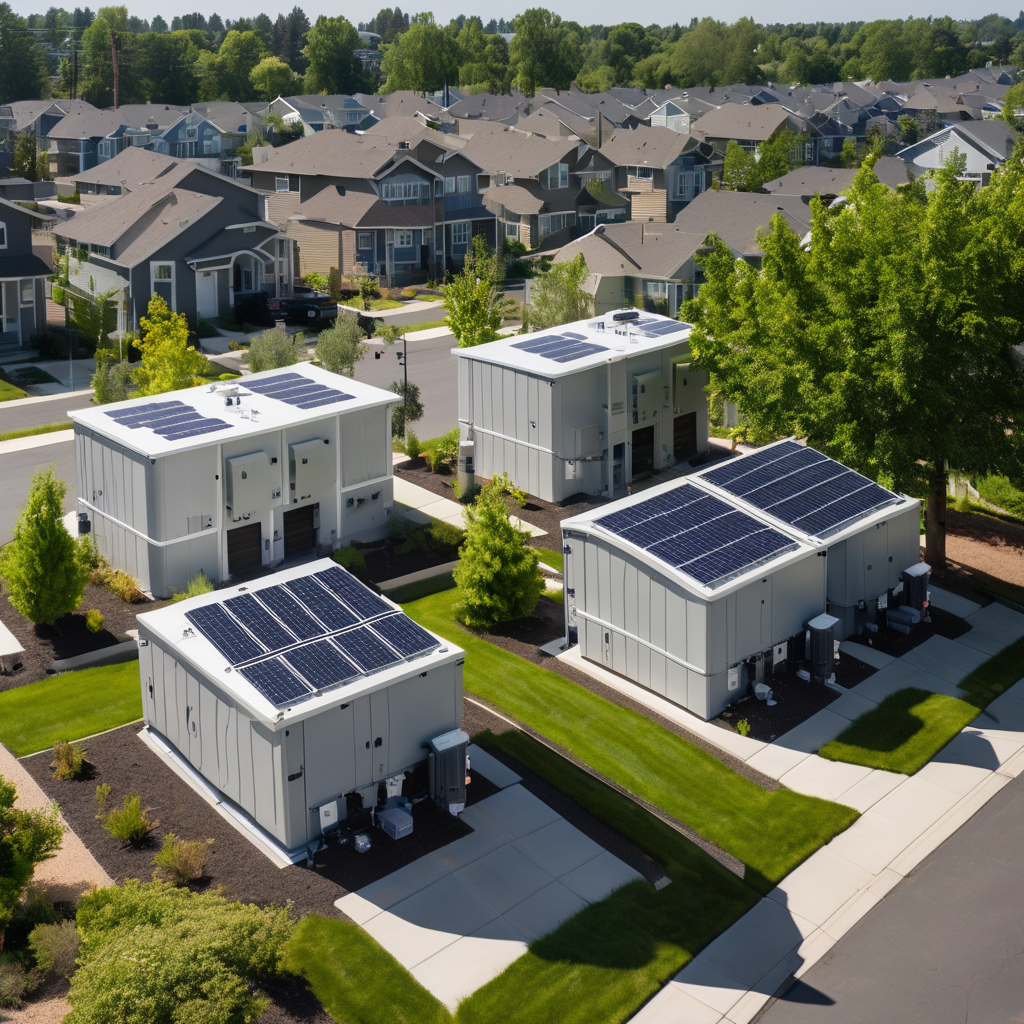
Picture the electrical grid as a highway system with only one route into every city. When that single road floods or crumbles, everyone's stranded. That's essentially how much of America's power infrastructure still operates today: centralized, brittle, and vulnerable to the very disruptions—wildfires, hurricanes, heat waves—that are becoming more frequent. A newly proposed $700 million bill wants to build the on-ramps and side streets: microgrids and distributed energy resources that let power flow around obstacles instead of stopping dead at them.
The legislation, which has already attracted support from a state energy office and at least one major electrical manufacturer, would do two critical things. First, it would open state energy program grants to microgrids and distributed energy resources—technologies that have historically had to compete for funding against more established infrastructure categories. Second, it would establish state-run grid resilience programs, effectively institutionalizing the idea that resilience isn't a nice-to-have feature but a core utility function.
Why Microgrids Are Having a Moment
Microgrids aren't a new concept. College campuses and military bases have used them for decades. What's changed is the urgency. As climate-driven disasters strain traditional grids and utilities face mounting pressure to prevent wildfire-sparking equipment failures, the case for localized, self-sufficient power networks has shifted from theoretical to essential.
Think of a microgrid as a lifeboat built into the ship itself: when the main vessel takes on water, it doesn't need rescuing—it can simply detach and keep functioning.
That's the practical appeal driving bipartisan-style support here. State energy offices like the backing agency in this bill aren't typically drawn to speculative technology; they respond to proven cost-benefit cases. And electrical manufacturers backing the bill see a straightforward business logic: more grant eligibility means more projects greenlit, which means more equipment orders. But the manufacturer support also signals something else—confidence that microgrid technology has matured beyond pilot programs into scalable, revenue-generating infrastructure.
What $700 Million Actually Buys
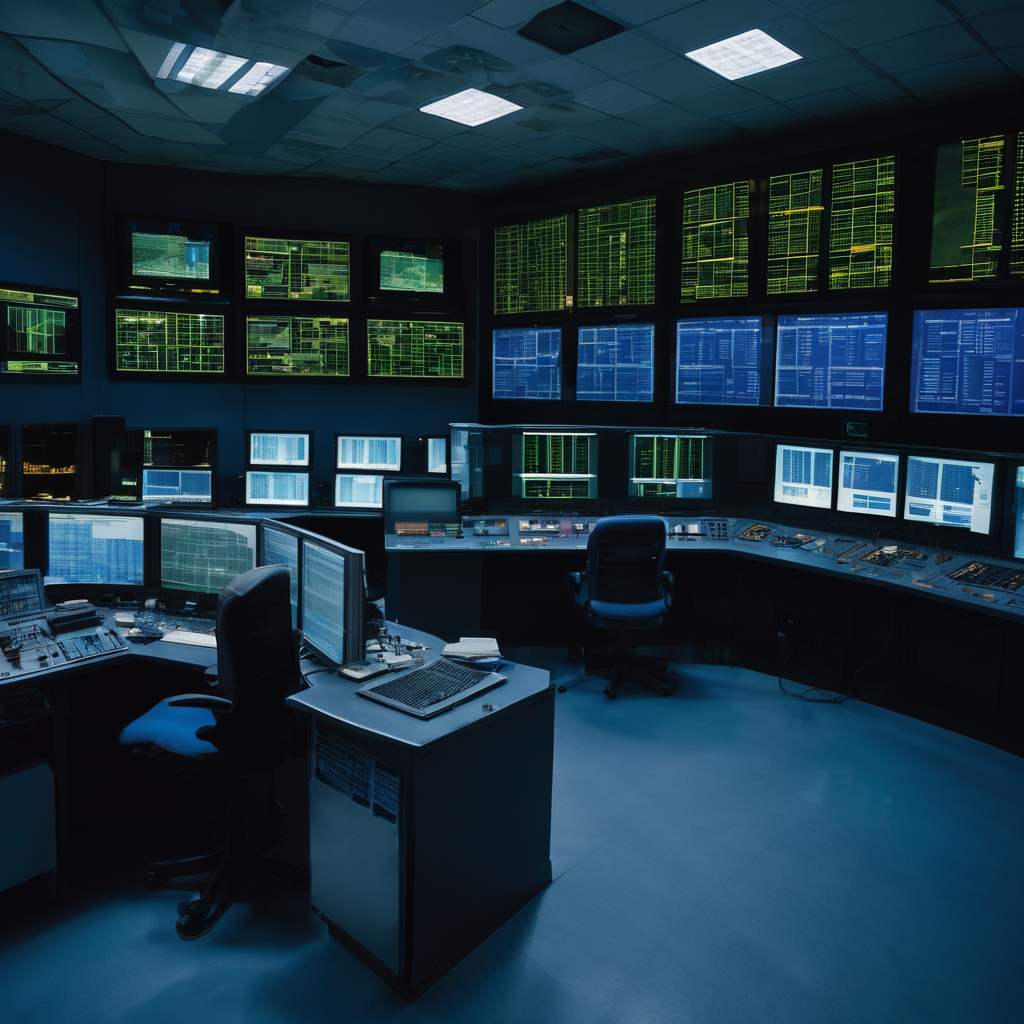
Money alone doesn't build resilience. It needs structure. That's where the bill's second major provision comes in: state-run grid resilience programs. These programs would presumably coordinate deployment, set technical standards, and ensure that microgrid investments aren't scattered piecemeal across a state but woven into a coherent resilience strategy.
This matters enormously for everyday energy consumers, even if the acronyms and grant mechanisms feel distant from daily life. When a distributed energy resource—think battery storage paired with solar, or a natural gas-fired microgrid serving a hospital campus—comes online in a neighborhood, it changes the calculus during outages. Instead of waiting hours or days for repair crews to restore transmission lines, critical facilities and surrounding communities can stay powered through localized generation.
- Hospitals and emergency services gain independent backup power beyond diesel generators
- Communities in wildfire-prone areas reduce reliance on long transmission lines that can spark fires
- Utilities gain flexibility to isolate problem areas without blacking out entire regions
The Road Ahead for State Energy Policy
Bills like this one rarely move in isolation. They tend to signal a broader philosophical shift in how states think about energy infrastructure—less like a monolithic utility and more like a distributed network of smaller, cooperating systems. If passed, this legislation could become a template other states study closely, particularly those wrestling with their own resilience gaps after high-profile grid failures.
The coalition behind the bill, a state energy office plus private manufacturing interests, also hints at where future energy funding battles will be fought: not necessarily over whether to invest in resilience, but over which technologies get preferential access to public dollars.
Why This Matters for You
For energy consumers, the significance isn't abstract. Grid resilience investments translate directly into fewer outage hours, lower long-term rate pressures from storm damage repairs, and greater energy security for the essential services communities depend on. A $700 million bill won't rebuild the entire grid overnight, but it represents a meaningful down payment on a more adaptable, distributed energy future, one where losing a single road doesn't mean losing the whole city.


