


In the grand theater of American energy policy, competitive electricity markets have become something of a whipping boy—blamed for everything from Texas's winter freeze to California's rolling blackouts. But according to former FERC Commissioner Nora Mead Brownell, writing in Utility Dive, this criticism misses a crucial point: these markets, despite their flaws, remain our most powerful tool for delivering reliable, affordable electricity at scale.
Think of competitive power markets like a Swiss Army knife—not perfect for every job, but remarkably versatile and effective when properly deployed. The question isn't whether they're flawless (they're not), but whether abandoning them would leave us better or worse off.
The Market Mechanism That Changed Everything
Before competitive markets emerged in the 1990s, electricity was largely the domain of regulated monopolies. Utilities owned everything from power plants to transmission lines to customer billing systems, operating under a simple bargain: guaranteed profits in exchange for reliable service and regulatory oversight.
Competitive markets shattered this model, introducing something revolutionary to the electricity sector: choice. Suddenly, power generators had to compete not just on reliability, but on price and efficiency. The results, while imperfect, have been transformative.
Why this matters: Competition has driven down electricity costs for consumers while spurring innovation in generation technologies. Without competitive pressure, utilities had little incentive to minimize costs or maximize efficiency—expenses were simply passed through to ratepayers.
The Numbers Don't Lie
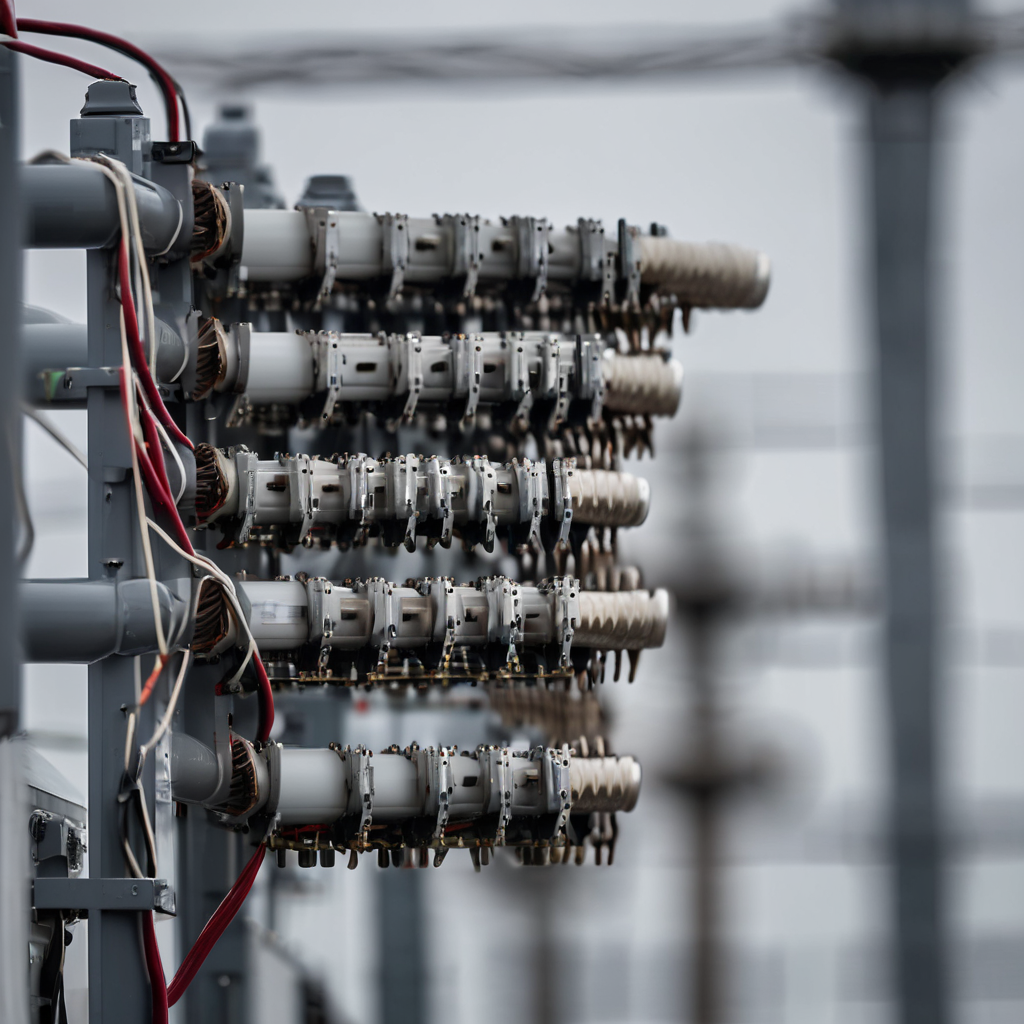
Critics of competitive markets often point to high-profile failures like the California energy crisis of 2000-2001, or more recently, Winter Storm Uri's impact on Texas. But these dramatic events can obscure a more mundane yet crucial reality: competitive markets have generally delivered lower prices and greater efficiency over time. Electricity markets are not perfect, but they remain one of the most powerful tools we have for delivering reliable, affordable power at scale.
In regions with competitive wholesale markets, electricity prices have typically grown more slowly than in traditionally regulated areas. The PJM Interconnection, which serves 65 million people across 13 states, has seen wholesale electricity prices fall by more than 40% since 2008, largely due to competitive pressures that encouraged efficient natural gas plants and renewable energy.
This isn't just about abstract economics. It translates directly to your monthly electric bill. Competitive markets create incentives for generators to operate efficiently, retire uneconomical plants, and invest in new technologies that can deliver power more cheaply.
The Innovation Engine
Perhaps most importantly, competitive markets have become laboratories for energy innovation. When generators must compete for every megawatt-hour sold, they're constantly seeking ways to reduce costs and improve performance.
This competitive pressure has accelerated the deployment of renewable energy, energy storage, and advanced grid technologies. Solar and wind power didn't become cost-competitive because of regulatory mandates alone. They succeeded because competitive markets rewarded the cheapest electrons, regardless of source.
The renewable revolution: In competitive markets like ERCOT (Texas) and PJM, renewable energy has flourished not because regulators demanded it, but because it became the lowest-cost option. This market-driven adoption has been faster and more sustainable than top-down mandates.
Acknowledging the Flaws
None of this means competitive markets are perfect. They can struggle with long-term planning, sometimes leading to boom-bust cycles in generation investment. They can also create perverse incentives during extreme weather events, as Texas discovered during the February 2021 freeze.
But these problems aren't inherent to competition itself—they're often the result of poor market design or inadequate regulation. The solution isn't to abandon competitive markets, but to improve them. The question isn't whether markets are flawless, but whether the alternatives would serve consumers better.
Consider the alternative: returning to regulated monopolies means accepting that utilities will have little incentive to control costs, innovate, or adapt quickly to changing conditions. It means trusting that regulators can consistently make better investment decisions than market participants risking their own capital.
The Path Forward
Rather than abandoning competitive markets, policymakers should focus on fixing their known weaknesses. This means better market design that accounts for extreme weather events, improved long-term planning mechanisms, and stronger oversight of market manipulation.
It also means recognizing that some aspects of the electricity system, like transmission planning and grid reliability, may require more centralized coordination than pure market mechanisms can provide. The goal should be finding the right balance between competition and regulation, not choosing one over the other.
For energy consumers, the stakes couldn't be higher. Competitive electricity markets aren't just an abstract policy debate. They're the mechanism that determines how much you pay for power and how quickly new technologies reach your community. Like democracy itself, these markets may be imperfect, but they remain far superior to the alternatives we've tried. The challenge now is making them work better, not throwing them away entirely.


