When tech giants go shopping for clean energy, they don't mess around with half-measures. Meta's latest power purchase agreement with EDP Renewables—a hefty 250-megawatt solar project—marks the third partnership between these companies and pushes their combined renewable energy procurement to 545 MW. That's enough clean electricity to power roughly 100,000 American homes.
But this isn't just another corporate sustainability announcement destined for a press release graveyard. Meta's methodical approach to renewable procurement represents a fundamental shift in how America's largest energy consumers are reshaping the grid and what that means for everyone else's energy bills.
The Corporate Procurement Revolution
Corporate power purchase agreements have evolved from feel-good sustainability gestures into hardcore business strategy. Companies like Meta aren't buying renewable energy to polish their ESG credentials; they're hedging against volatile fossil fuel prices while securing long-term electricity costs that won't spike with the next geopolitical crisis.
The math is compelling. Traditional utility-scale electricity procurement often locks companies into decades-long contracts with prices tied to fluctuating natural gas markets. Solar PPAs, by contrast, offer predictable pricing for 15-25 years with fuel costs of exactly zero. When your data centers consume electricity 24/7/365, that predictability becomes invaluable.
Why This Partnership Keeps Growing

EDP Renewables and Meta's repeat collaboration isn't coincidental. It's strategic alignment at work. EDP brings proven execution capability in utility-scale solar development, while Meta offers the kind of long-term purchase commitment that makes project financing straightforward.
This third deal suggests both companies have found their rhythm. EDP can focus on what it does best—developing and operating large-scale renewable projects—while Meta secures the clean electricity it needs without getting bogged down in the complexities of energy development.
Corporate renewable procurement has matured from experimental sustainability initiatives into core business infrastructure decisions that affect bottom-line competitiveness.
The Ripple Effect for Energy Markets
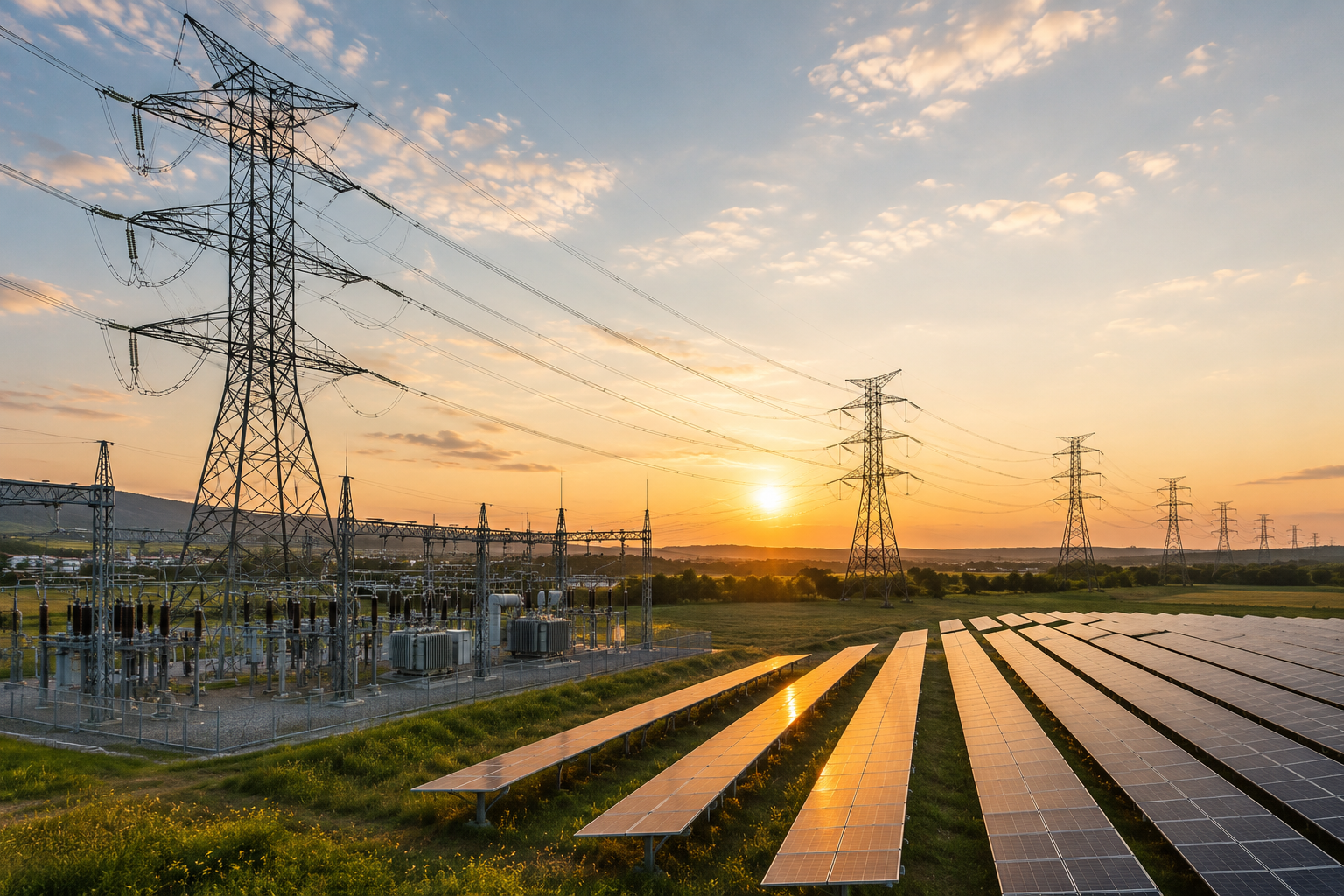
Meta's aggressive renewable procurement strategy creates ripple effects throughout energy markets that extend far beyond Silicon Valley. When major corporations sign long-term PPAs, they provide the revenue certainty that enables developers to secure financing and break ground on projects that might otherwise remain on drawing boards.
These corporate-backed projects add clean generation capacity to regional grids, gradually displacing fossil fuel plants and putting downward pressure on wholesale electricity prices. That benefits everyone connected to the grid, not just the companies signing the contracts.
The 545 MW of solar capacity Meta has now committed to with EDP represents serious grid-scale infrastructure. For context, that's roughly equivalent to a mid-sized natural gas peaker plant—except with zero fuel costs, zero emissions, and zero exposure to volatile commodity markets.
What This Means for Your Energy Future
Corporate renewable procurement might seem removed from residential energy concerns, but these deals are quietly reshaping the electricity landscape in ways that benefit all consumers. As companies like Meta absorb large chunks of new renewable capacity, they're accelerating the clean energy transition while creating economies of scale that drive down technology costs.
The corporate appetite for renewable PPAs has become so robust that it's creating a virtuous cycle: more demand leads to more projects, which drives technological improvements and cost reductions, which makes renewables even more attractive for the next round of corporate buyers.
Meta's methodical expansion of its renewable portfolio with trusted partners like EDP signals that corporate clean energy procurement has moved beyond experimental phase into business-as-usual territory. That shift represents one of the most powerful market forces driving America's energy transformation—and it's happening one 250-MW solar project at a time.