


Connecticut's Attorney General has fired a warning shot across the bow of two major utilities, challenging what state officials see as an unjustified financial windfall. In a complaint filed with federal regulators, the state argues that Eversource and Avangrid shouldn't collect an extra 0.5% return on equity for participating in ISO New England because state law already requires them to be there.
Think of it like demanding a bonus for showing up to work when attendance is mandatory. That's essentially what Connecticut officials are arguing in their complaint to the Federal Energy Regulatory Commission (FERC), targeting what's known as an "RTO adder"—a financial incentive designed to encourage utilities to join regional transmission organizations.
The Mechanics of RTO Incentives
Regional transmission organizations like ISO New England serve as the air traffic controllers of the electric grid, coordinating power flows across state lines and managing wholesale electricity markets. To encourage utilities to join these regional systems—and give up some local control—FERC has historically offered financial carrots in the form of enhanced returns on equity.
These RTO adders typically range from 0.5% to 1%, which might sound modest but translates to millions in additional revenue for large utilities. For a utility with billions in rate base, that extra half-percentage point can mean the difference between a good year and a great year for shareholders.
But Connecticut's legal challenge cuts to the heart of whether these incentives make sense when participation isn't voluntary. State law requires both Eversource and Avangrid to participate in ISO New England, making the "incentive" less of a carrot and more of a guaranteed bonus.
Why This Matters for Ratepayers
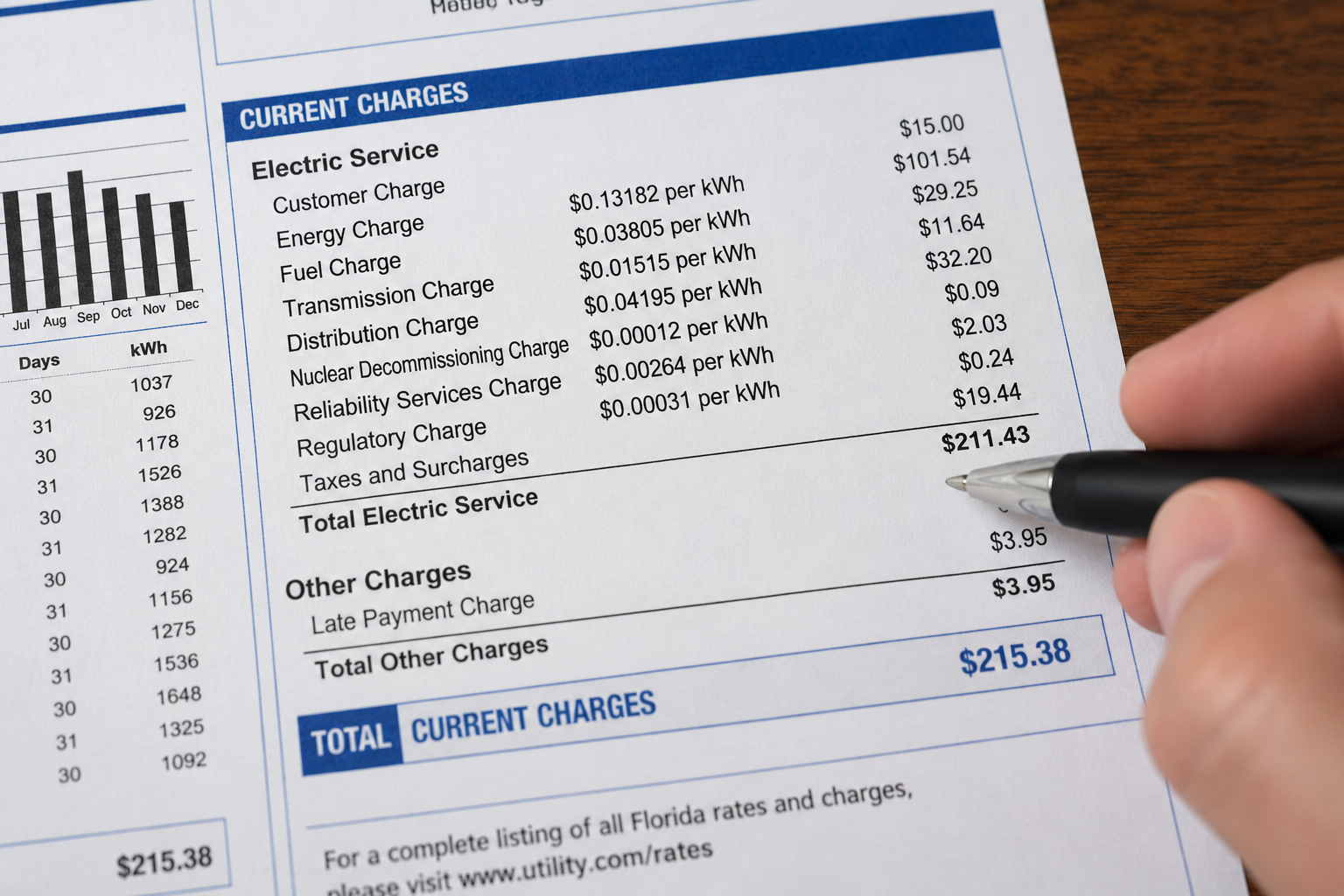
The financial implications ripple directly through to consumer electric bills. When utilities earn higher returns on their investments, those costs get passed along to ratepayers through regulated rates. Connecticut consumers are essentially paying extra for something their utilities are legally required to do anyway.
"If you're mandated to participate, why should ratepayers pay extra for that participation?" the logic goes. It's a question that could reshape how FERC thinks about RTO incentives across the country, particularly in states where grid participation is legally mandated rather than voluntary.
The challenge highlights a growing tension between federal incentive policies and state regulatory requirements in an increasingly complex energy landscape.
This case represents more than just a dispute over decimal points. It reflects broader questions about how the nation's patchwork of energy regulations interact, and whether federal incentives designed for one era still make sense as state policies evolve.
Broader Implications for Grid Economics
The Connecticut challenge arrives at a pivotal moment for grid modernization efforts. As states push for cleaner energy and greater grid resilience, the financial structures that govern utility participation in regional markets are coming under increased scrutiny.
Other states with similar mandatory participation requirements will be watching this case closely. If Connecticut succeeds, it could trigger a wave of similar challenges, potentially reshaping the economics of regional grid participation nationwide.
The outcome will likely influence how FERC structures future incentives, possibly requiring more nuanced approaches that distinguish between voluntary and mandatory participation. For an energy system undergoing rapid transformation, getting these financial incentives right isn't just about fairness—it's about ensuring the grid can adapt and evolve while keeping costs reasonable for the consumers who ultimately foot the bill.


