


The ground off Bluff Road in Hopkins is already cleared and graded, so the next thing that happens on that site is hiring.
What happened
HERE Columbia staff reporter Marina Wagner reported on Wednesday that the Richland County Council has signed off on a 40-year tax agreement with Westinghouse Electric Company, the piece of paper that lets the company expand its nuclear fuel plant in Lower Richland. Westinghouse put out its own announcement the same day, and South Carolina Public Radio reported that construction on the new building is already underway.
The plant is the Columbia Fuel Fabrication Facility, in Hopkins, in Richland County. It opened in 1968 and it makes the physical parts of reactor fuel: pellets, rods, assemblies and components. Westinghouse says fuel made there powers roughly 10 percent of the electricity used in the United States.
The new building going up beside it will make something the current plant cannot. The product is called LEU+, which stands for low enriched uranium taken a little higher than usual, to between 5 and 8 percent enrichment instead of the roughly 5 percent ceiling on standard commercial fuel. Wagner reported that the new building will run a more automated dry manufacturing process, and that commercial scale output is targeted for 2030. Westinghouse calls the project the first fleet-scale nuclear fuel factory built in this country in more than 50 years.
Why it counts
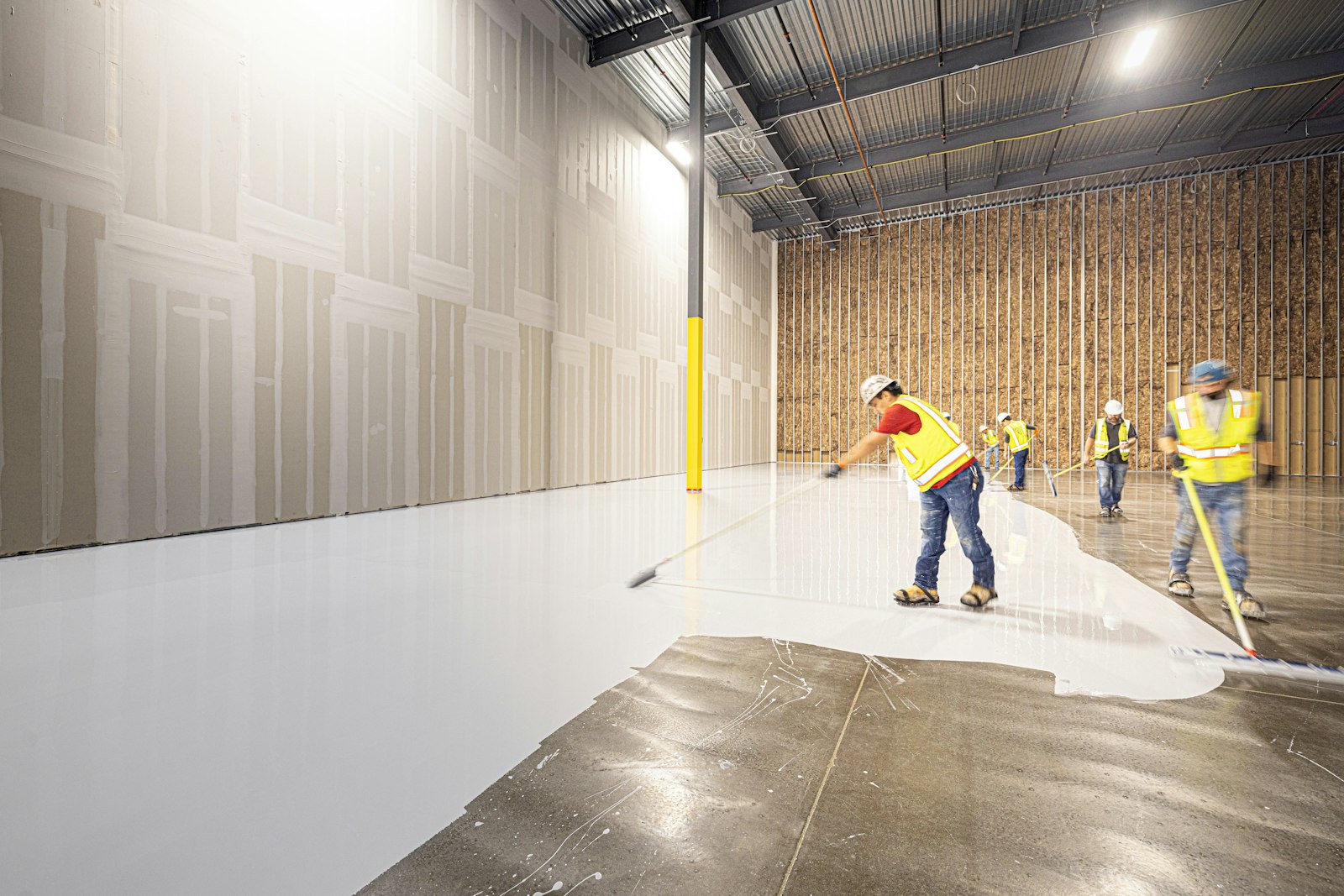
Start with who gets paid. Wagner reported that peak construction will put several hundred contractors on the site, and that the permanent in-house team running the new building will be roughly 30 to 50 people. That shape is normal for a factory like this, and it is worth saying out loud rather than blurring it: the big employment event is the build, and what stays afterward is a smaller crew of operators and technicians who can hold the job for decades.
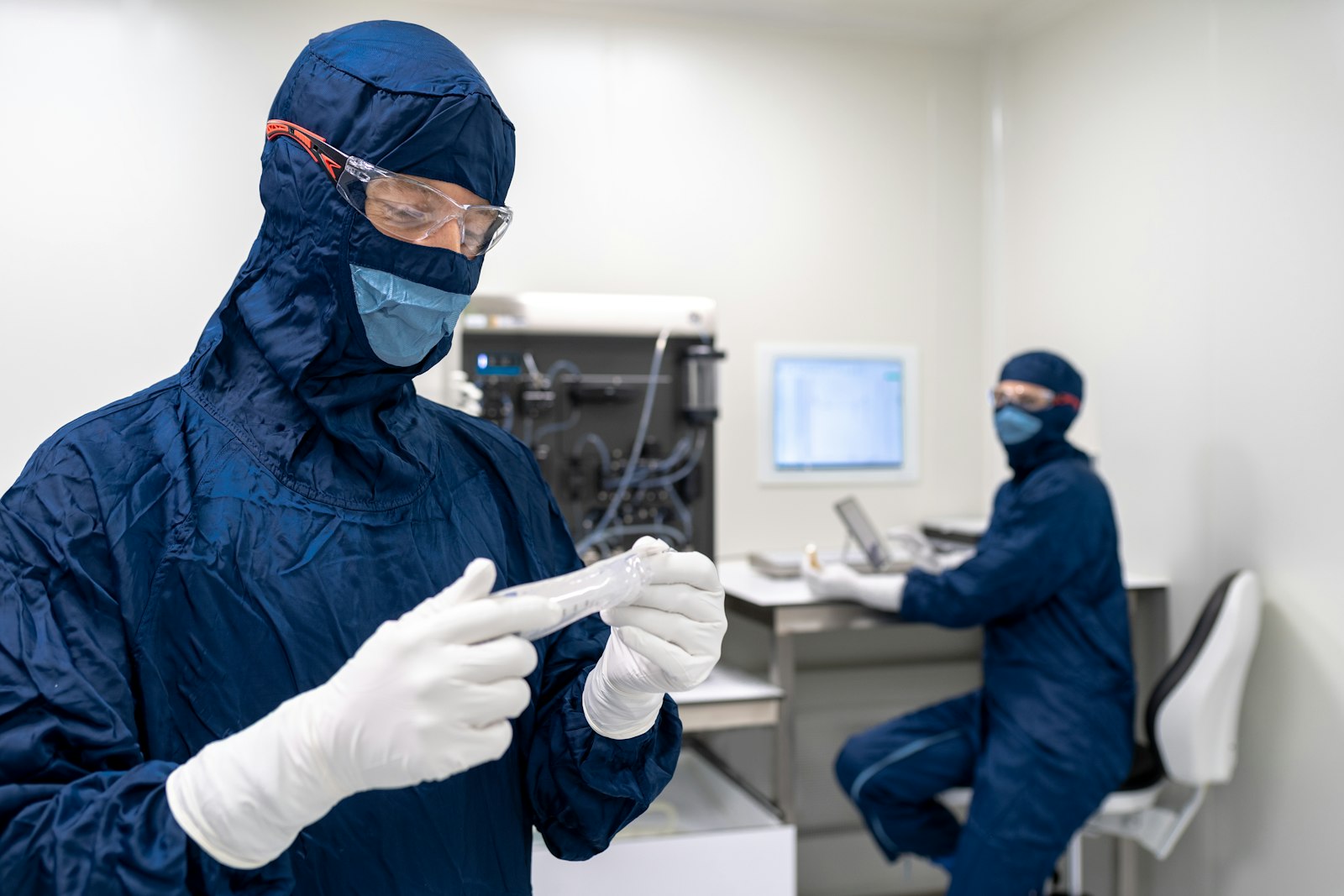
The wage number is the part that deserves attention. A study by the University of South Carolina's Darla Moore School of Business, cited both by Wagner and by the company, found that average salaries at the facility run 64 percent above the statewide average wage. The plant already employs more than 1,200 people in Lower Richland, the rural southeastern stretch of Richland County that rarely shows up in anybody's economic development slide deck. Westinghouse is pointing applicants to its own careers page, and the South Carolina Department of Commerce said the state's Coordinating Council for Economic Development approved job development credits tied to the project.
Then there is the skills question. A fuel factory of this description has not been built in the United States in two generations, which means almost nobody on the job learned it on a previous job exactly like it. The welders, pipefitters, electricians and concrete crews who put the building up will carry that experience to the next plant, and the technicians Westinghouse hires to run the automated line will be learning a process the company only deployed commercially for the first time last year.
"This new facility will move Lower Richland forward as one of the world's leading providers of clean energy," said Richland County Council Chairwoman Jesica Mackey.
The numbers
About $1 billion is the headline investment figure, per Westinghouse. The county agreement requires Westinghouse to put at least $400 million into real property and equipment at the plant to qualify for the terms. Peak construction means several hundred contractors; the permanent crew is 30 to 50; current employment at the site is more than 1,200.
Average salaries there run 64 percent above the state average wage, per the Darla Moore study. That same study projects $4.9 billion in economic impact across South Carolina over 10 years, with about $3.8 billion of it landing in Richland County, a figure Westinghouse attributes to construction, new equipment and the additional jobs that follow.
On the product side: enrichment of 5 to 8 percent lets a pressurized water reactor run 24 months between refuelings instead of 18. Commercial scale output is targeted for 2030. The tax terms Wagner laid out drop the plant's taxable assessment ratio from 10.5 percent to 4 percent, fix the property tax rate for four decades, and take another 10 percent off the bill in the first four years, paid as a fixed fee rather than ordinary property taxes.
What comes next
Construction runs through the back half of the decade toward that 2030 target, which means the contractor count climbs well before the permanent hiring does. The decisions that made this possible sat in two specific rooms: the Richland County Council, which approved the tax agreement on Tuesday, and the state Coordinating Council for Economic Development, which approved the job development credits. Westinghouse also credits a federal tax credit program and alignment with the Energy Department's UPRISE effort.
For the utilities running the existing reactor fleet, the 24-month cycle is the quiet part of this story. Fewer refueling outages means more hours on line from plants that are already built, and Westinghouse says the fuel is expected to enable uprates at operating plants, which is output added without pouring a new foundation. The same fuel line is meant to support the AP1000 reactors the company wants to build at scale. Either way, the work starts in Hopkins.
The Bottom Line
A billion dollars is the number that will travel, but the thing to watch in Lower Richland is the hiring curve: several hundred trades jobs on the build, a permanent crew of 30 to 50 on an automated line nobody in the country has run at this scale, and 1,200 people already drawing paychecks that beat the state average by 64 percent. The fuel goes to reactors in other states. The payroll stays off Bluff Road.
Sources: HERE Columbia, "Westinghouse Columbia Fuel Plant Gets 40-Year Tax Deal," Marina Wagner, Oct. 21, 2026; South Carolina Public Radio, "Westinghouse announces Richland County expansion to advance next-generation nuclear fuel," SC Public Radio Staff, Oct. 21, 2026; Westinghouse Electric Company news release, Oct. 21, 2026; South Carolina Department of Commerce, Oct. 21, 2026.


