


The hardest job inside a power transformer plant is still done by hand, and Virginia cannot hire for it fast enough.
Matt Busse of Cardinal News reported on October 12 that four power transformer manufacturers in Virginia are expanding at the same time, and together they are adding roughly 1,300 jobs in the commonwealth.
What happened
Busse walked the floor at Hitachi Energy's South Boston factory this past summer, the morning executives joined state and local leaders to break ground on a $457 million expansion in Halifax County. Up on a platform, two employees were winding copper around a tall steel core, the piece that eventually goes inside a metal tank to become a finished power transformer. Chuck Perrine, Hitachi Energy's vice president of operations for power transformers in North America, told Busse the spacing has to be exactly right, and that it takes years of experience before a winder really excels at it.
That expansion adds 825 jobs by the time the new factory is completed in late 2028. The South Boston site employed 670 people before the expansion was announced. Hitachi Energy is adding another 120 jobs at its Bland and Smyth county locations, and says the new plant will make it the biggest manufacturer of large power transformers in the United States.
Lynchburg based Delta Star is adding 300 jobs in a $35 million expansion, on top of a 149 job expansion announced in 2023. Once everyone is on board the company expects about 1,600 employees. It has already opened a new corporate headquarters and a 108,000 square foot metal fabrication plant called Delta Ironworks, which turns out 20 transformer tanks a month. Both opened in June 2025.
Roanoke based Virginia Transformer Corp. has nearly tripled its payroll in four years, going from 1,800 employees companywide in July 2022 to 5,900 today. Its Virginia headcount went from 450 to 1,200 over the same stretch. And in Wytheville, Florida based JST Power Equipment cut the ribbon this year on a 45,000 square foot factory spanning two buildings, bringing 35 to 50 jobs with more anticipated as production ramps up.
Why it counts
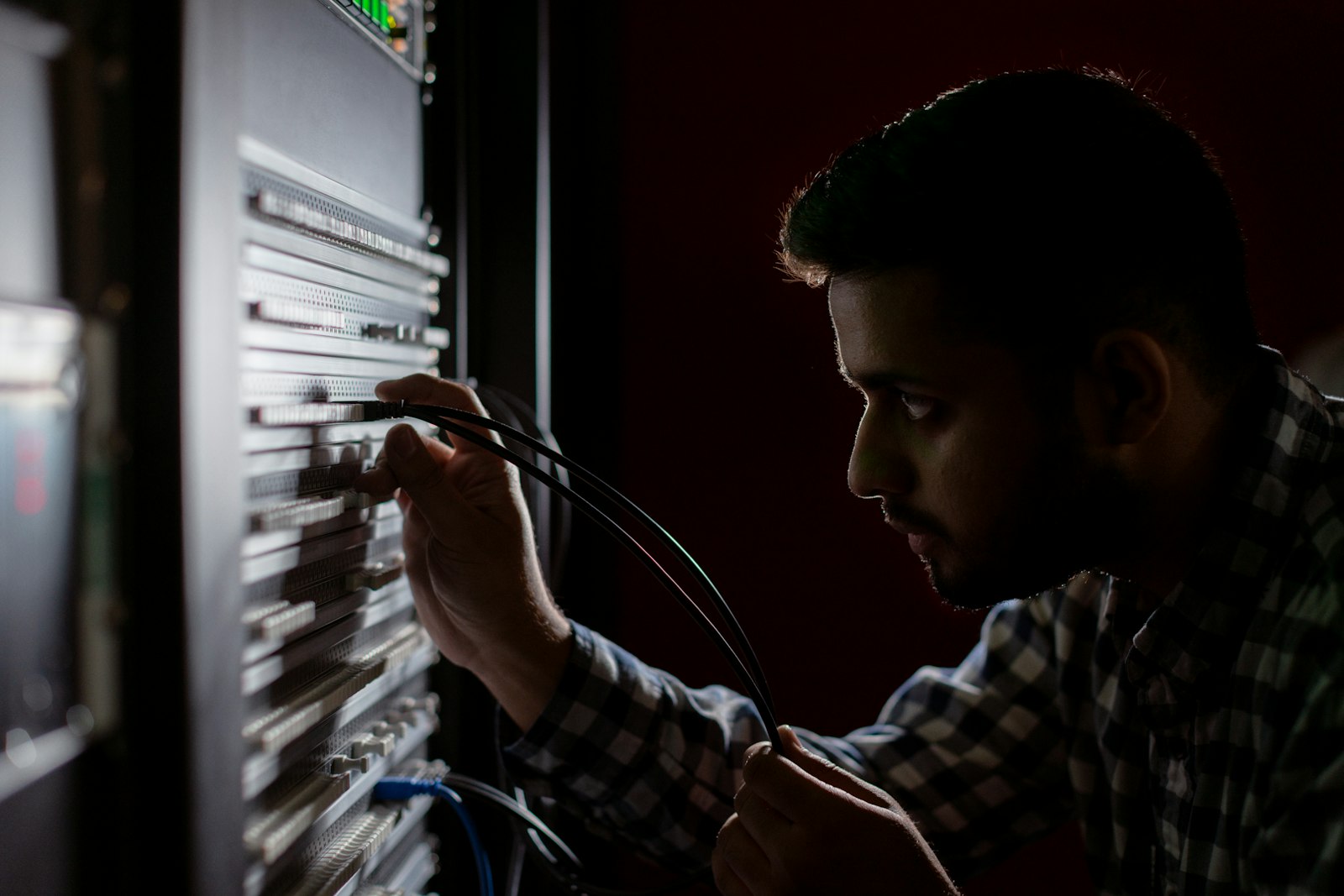
Transformers are the least photogenic part of the grid and among the most necessary. They step voltage up so electricity can travel long distances without bleeding away power, then step it back down so it is safe by the time it reaches a clothes dryer or a television. Ali Mehrizi-Sani, a professor and director of the Power and Energy Center at Virginia Tech, told Cardinal News that essentially all the power we use passes through at least two sets of them.
Here is the part that matters to anyone weighing a career. Coil winding has not been automated. In a world where robots keep taking over how things get made, wrapping copper around a core is still a handcrafted skill, and people in the industry call it an art rather than a task. Perrine puts the learning curve at roughly three years to get good at it. Asa Keimig, Delta Star's director of corporate communications and marketing, says excelling at the craft can take seven. Kevin Lowery, who speaks for Virginia Transformer, says employees go through a lot of training before they ever go out onto the shop floor, and that the company wants someone certified before they are making something that goes to a customer.
That is a trade with a ladder in it, not a job that gets posted, filled and forgotten.
"I've been in the industry for over 30 years, and I've never seen anything like this."
Chuck Perrine, vice president of operations for power transformers in North America at Hitachi Energy, speaking to Cardinal News
The demand behind the hiring is not speculative. Lead times for the medium size transformers Hitachi Energy builds in South Boston have stretched from 12 to 16 weeks out to around 80 weeks. Data centers are one driver. So are population growth, the electrification of manufacturing, new solar and natural gas generation coming online, and an aging grid that utilities are steadily replacing and upgrading. Perrine told Cardinal News the country only really started putting a lot into restructuring the grid in the last six to eight years, and the manufacturers sit on the other end of that work.
The numbers
- 825 jobs at Hitachi Energy's South Boston plant by late 2028, plus 120 more in Bland and Smyth counties. The site had 670 employees before the expansion was announced.
- 300 jobs at Delta Star in a $35 million expansion, following a 149 job expansion announced in 2023, bringing the company to about 1,600 employees.
- $25 to $30 an hour advertised by Delta Star for assemblers, coil winders and production workers, with engineering salaries reaching into six figures.
- 5,900 employees companywide at Virginia Transformer today, 1,200 of them in Virginia, up from 1,800 and 450 in July 2022.
- 1,500 jobs from Virginia Transformer's planned 600,000 square foot Alabama factory, which accounts for 1,100, and its Georgia expansion, which accounts for about 400.
- 35 to 50 jobs at JST Power Equipment's new Wytheville factory, with more anticipated.
- 2,000 to 3,000 work hours in a single transformer, about four months from the first coil to the moment it ships.
- 8 medium transformers a month at Hitachi Energy's existing South Boston plant, rising to about 12 over the next year.
- 80 weeks, the current lead time on a medium power transformer, up from 12 to 16 weeks.
What comes next
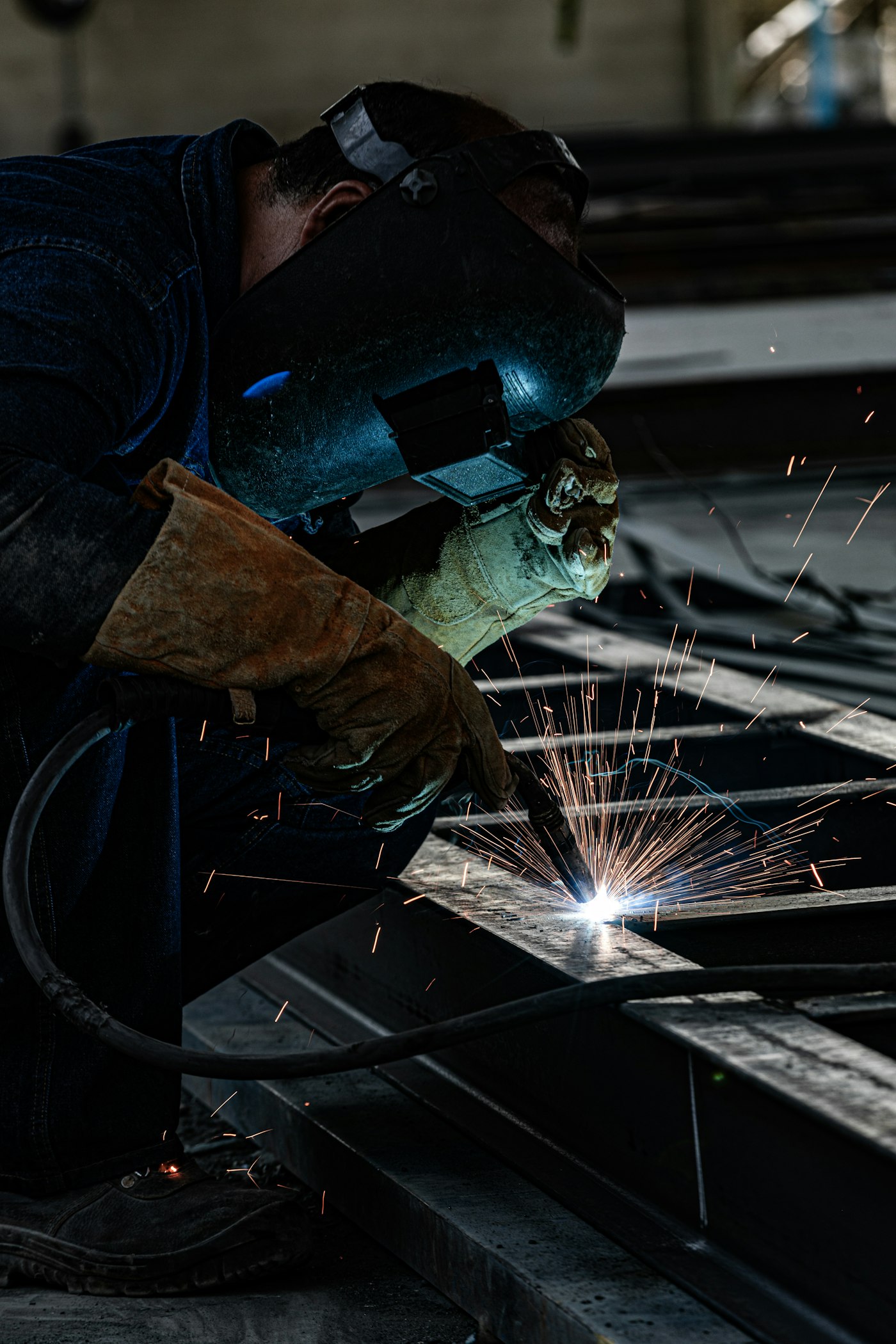
Hitachi Energy is rewriting the shift itself to fill the hundreds of jobs it is creating. Instead of a Monday to Friday day shift with overtime on Saturdays, workers can come in for three days at a time and work longer hours each time. Perrine said the schedule appeals to younger workers and saves gas money for people commuting in from outside the area, who can also add their days off to paid vacation.
The output targets show how fast the floor has to come up to speed. Delta Star will manufacture 140 power transformers this year to meet orders from data centers, electric utilities and manufacturers, and every unit carries thousands of work hours and about four months of build time, including the testing and quality checks along the way.
Engineering is its own pipeline. Transformers are typically custom built, so voltage, insulation, cooling and other parameters all have to be designed to a customer's specification. Mehrizi-Sani said the industry needs a capable workforce that can do those designs, which points straight at Virginia Tech and at every regional program feeding drafting, electrical and industrial technology graduates onto these floors.
Virginia Transformer's next wave of hiring lands outside the commonwealth, with 1,100 jobs planned in Alabama and about 400 in Georgia. Delta Star has agreed to be acquired by MacLean Power Systems of Fort Mill, South Carolina, during what Delta Star's chief executive called a period of unprecedented, explosive growth in electrical infrastructure. Both moves point the same way: these companies are betting the order book holds. As Lowery put it, otherwise they would not be doing these expansions.
The Bottom Line
Four companies, four Virginia towns, roughly 1,300 jobs, and a core skill that takes three to seven years to master. Most of the argument about the grid happens in hearing rooms and on earnings calls. This part of it happens on a platform in South Boston, with two people, a steel core and a line of copper that has to be spaced exactly right.
Sources: Matt Busse, "As electricity demand soars, Virginia's power transformer industry is booming," Cardinal News, October 12, 2026. Photos by Shoeib Abolhassani, ThisisEngineering and Morteza Mohammadi on Unsplash.
Positive Current


