

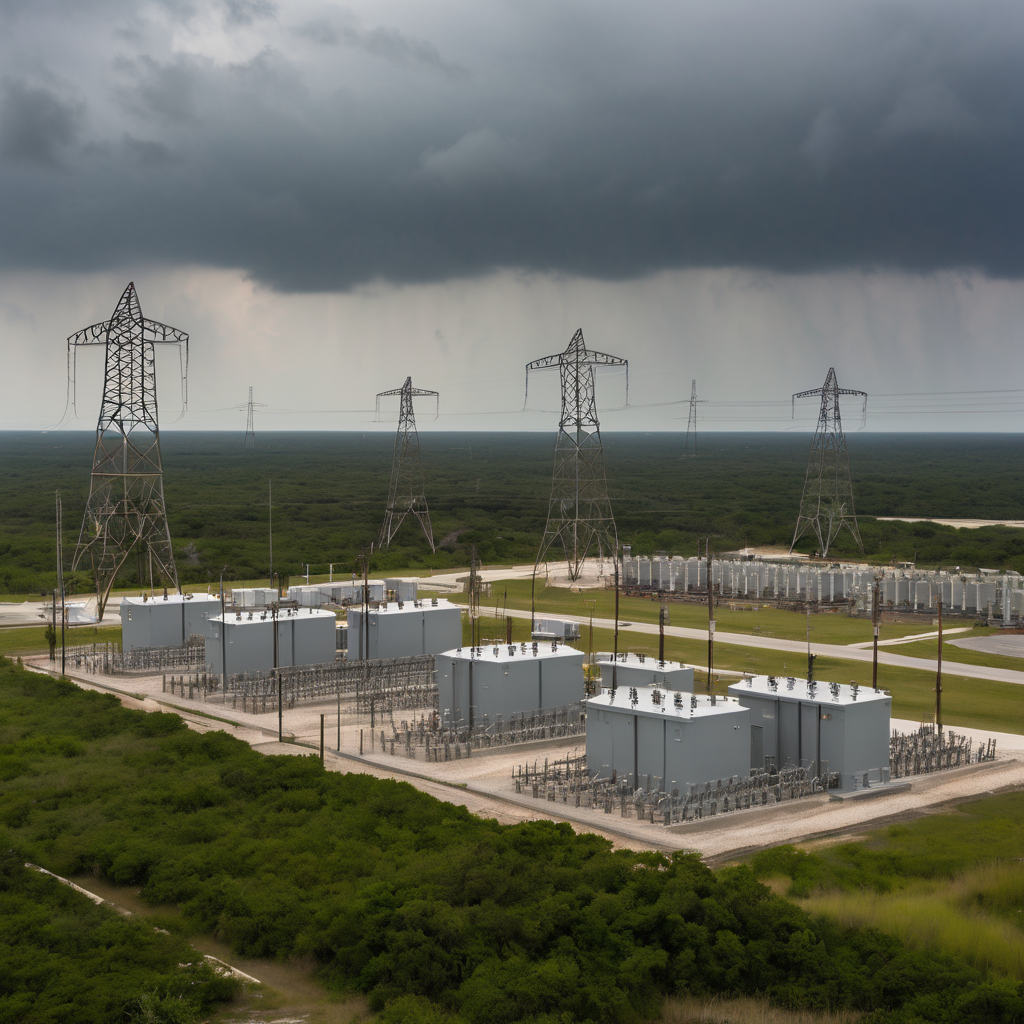
Picture a boxer who's already absorbed ten rounds of body blows, suddenly forced to dodge a haymaker from an entirely new direction. That's the position Texas's power grid finds itself in this week, as a punishing heat wave grinds on even as Tropical Storm Bertha spins to life in the Gulf of Mexico. It's a one-two punch that energy planners rarely have to script for simultaneously, and it's a preview of the kind of overlapping climate stress that grid operators nationwide will need to plan around more often.
A Grid Already Stretched Thin
Heat waves are, in the electricity business, the equivalent of a Monday morning traffic jam that never lets up: predictable in its arrival, brutal in its persistence. Air conditioners across the state have been running at full tilt for days, pushing demand toward the upper limits of what the grid can comfortably deliver. Texas's power system, operated independently from the rest of the country by the Electric Reliability Council of Texas (ERCOT), has weathered these summer surges before — but each one chips away at the margin of safety between supply and demand.
Now enter Bertha. Tropical Storm Bertha formed in the Gulf of Mexico, introducing a second variable into an already tight equation. Tropical systems don't just threaten wind damage and flooding; they can disrupt the very generation and transmission infrastructure that keeps air conditioners humming during the hottest, most dangerous days of summer. The timing could hardly be less convenient.
When a heat wave and a tropical storm arrive on the same stage, the grid isn't just managing one crisis — it's managing the interaction between two.
Why Compounding Events Matter More Than Single Ones
Energy systems are engineered, tested, and regulated largely around single-hazard scenarios: a heat wave here, a hurricane there, a cold snap in another season entirely. But climate volatility doesn't respect that tidy separation. Think of it like a house designed to withstand either a strong wind or a heavy snow load, but never both at once, and then a storm arrives that brings both simultaneously. That's precisely the kind of compounding risk Texas faces this week.
If Bertha's outer bands bring rain and wind to coastal generation facilities or transmission corridors even as inland demand stays elevated from the heat, operators may be forced to balance reliability against safety in real time. Why this matters for consumers: compounding events like this one are exactly the scenario that has, in recent years, preceded rolling blackouts, price spikes on the wholesale market, and emergency conservation appeals. For Texas residents still carrying memories of Winter Storm Uri, any signal of grid strain understandably raises alarm.
The Bigger Pattern Behind This Week's Weather
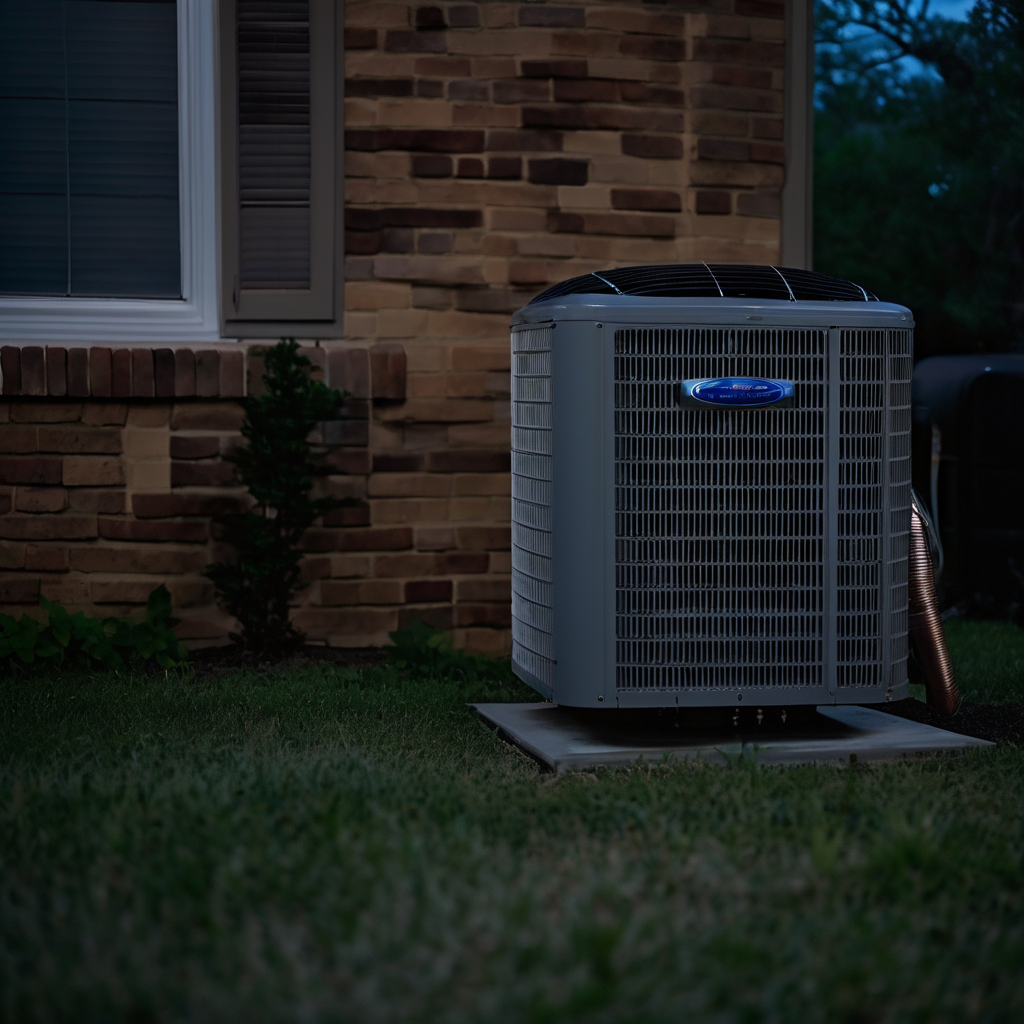
This isn't just a Texas story — it's a preview. As ocean temperatures climb and atmospheric patterns shift, the odds of tropical systems and heat domes overlapping in time and geography are rising. Grid planners nationwide are increasingly having to model not just individual extreme weather events, but their collisions. It's a bit like insurance actuaries recalculating risk after realizing that fires and floods can now strike the same region in the same season.
For utilities, that means diversifying generation sources, hardening transmission infrastructure against multiple hazard types, and building in operational flexibility rather than static contingency plans. For consumers, it means the reliability of the outlet in your wall is increasingly tied to a broader, more volatile climate system than the one our grid was originally built to handle.
What Happens Next
ERCOT and Gulf Coast utilities are now watching two forecasts at once: the cooling trend that could ease demand, and Bertha's projected path, which will determine whether coastal infrastructure faces direct impacts or a glancing blow. The outcome will shape not just this week's headlines, but how grid operators across hurricane-prone, heat-stressed regions plan for a future where extreme weather events no longer take turns.
For now, Texans are being asked to do what has become a familiar seasonal ritual: conserve energy, monitor alerts, and hope that two forms of extreme weather don't converge into something the grid wasn't built to handle. But the deeper lesson extends far beyond this single storm — it's a signal that the energy systems of tomorrow must be designed not for isolated extremes, but for the messy, overlapping reality of a changing climate.


