


Picture a funnel. At the wide end, developers pour in requests for enormous amounts of electricity, each one a bet that a data center will rise from the ground and start crunching AI workloads around the clock. At the narrow end, only the most credible, financially sound projects emerge ready to draw power. For Pacific Gas & Electric, that funnel currently holds 12.7 gigawatts of prospective data center demand. That's enough capacity to power roughly 9.5 million homes if it all materialized at once.
It won't all materialize at once. And that's precisely the point.
A Pipeline That Breathes
PG&E's data center pipeline hasn't grown in a straight line over the past year. It has expanded, contracted, and expanded again, a rhythm that might alarm anyone expecting utility planning to move with bureaucratic steadiness. Executives say the fluctuation isn't a sign of chaos. It's a sign of discipline.
As the company has tightened its vetting process, weaker or purely speculative projects have been filtered out, only for new, more credible ones to take their place. Think of it less like a leaky bucket and more like a chef trimming fat from a cut of meat: the pipeline may shrink in the moment, but what remains is leaner and more likely to actually get cooked.
Why this matters: Overstated demand forecasts have burned utilities before, leading to infrastructure investments built for a future that never arrived, with costs passed on to ordinary ratepayers. By scrutinizing which data center projects are truly bankable, PG&E is trying to avoid overbuilding (or underbuilding) for a boom that is, by most measures, still accelerating.
Courting the Small Fish, Not Just the Whales
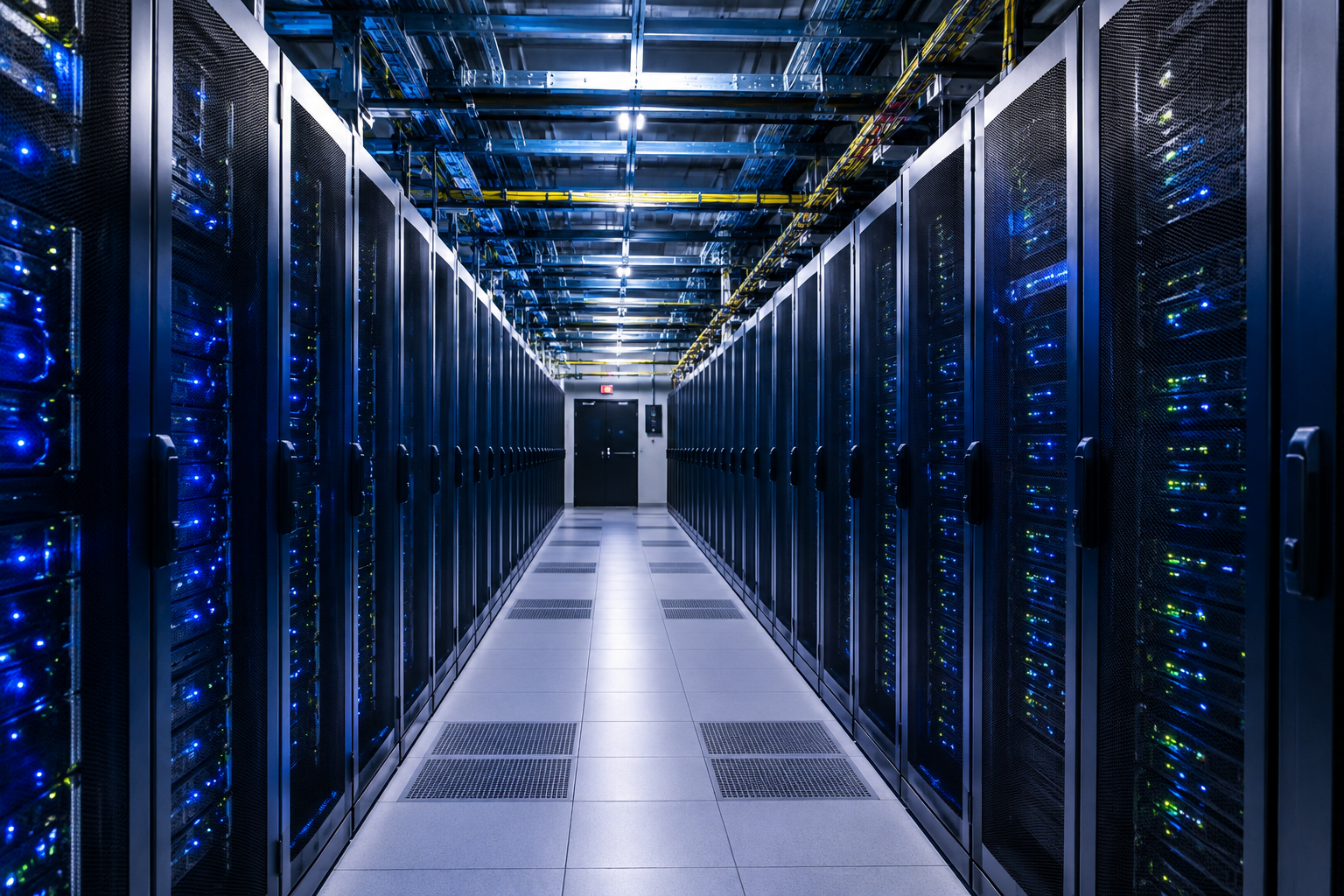
The other notable shift in PG&E's strategy is who it's chasing. For the past several years, the data center conversation has been dominated by hyperscale operators — the Amazons, Microsofts, and Googles of the world — whose individual projects can demand hundreds of megawatts, comparable to a mid-sized city's entire electricity appetite.
Now, PG&E is actively courting smaller loads: regional colocation facilities, enterprise data centers, and mid-sized AI infrastructure projects that individually draw a fraction of what a hyperscale campus requires. It's a strategic pivot akin to a restaurant that once catered exclusively to banquet-sized events now building a menu for smaller parties too.
- Smaller projects tend to have shorter development timelines, meaning revenue arrives sooner.
- Diversifying the customer base reduces PG&E's exposure to any single developer canceling or delaying a massive project.
- Smaller loads can often be integrated into the existing grid with less transmission upgrade work, easing interconnection bottlenecks.
Why this matters: For everyday energy consumers, a more diversified data center pipeline could mean steadier, more predictable rate impacts. Concentration risk, or the danger of betting the grid's future on a handful of mega-projects, has kept utility planners awake at night. Spreading that risk across many smaller customers is a hedge against volatility.
The Stakes for California's Grid
California's energy landscape is already a high-wire act, balancing ambitious decarbonization goals, wildfire risk mitigation, and rising electrification demand from EVs and heat pumps. Layering a potential 12.7 GW of new data center load onto that system is like adding a new skyscraper's worth of foot traffic to a subway system built decades ago. It can be done, but only with careful, forward-looking planning.
PG&E's willingness to publicly disclose both the size and the volatility of its pipeline signals a broader shift in utility transparency. Rather than presenting a single, static number as gospel, the company is acknowledging the messy, iterative reality of forecasting demand in an industry moving faster than traditional planning cycles can accommodate.
What Comes Next
The 12.7 GW figure is a snapshot, not a destination. As vetting continues and smaller developers enter the fold, expect this number to keep shifting. That's not because demand is disappearing, but because PG&E is getting better at knowing which of it is real.
For a grid operator navigating the most consequential demand surge in a generation, that clarity may prove more valuable than the raw gigawatt total itself.


