Power outages have a way of exposing how fragile our comfort really is. One moment you're streaming a show or defrosting dinner; the next, you're fumbling for flashlights and wondering if the fridge will hold out until morning. Ford and Global Power Products (GPP) are betting that the fix doesn't need to be complicated or expensive- just smarter about how power flows when the grid goes dark.
The two companies have unveiled a home backup power solution built around GPP's GenerLink transfer switch, a device already approved by more than 800 electric utilities across the country. It's like a traffic cop for your home's electricity: when utility power fails, GenerLink safely reroutes energy from a backup generator directly into your home's electrical panel, powering outlets and hardwired appliances without the tangle of extension cords or the guesswork of manual transfer switches.
Why a Simple Switch Matters More Than It Sounds
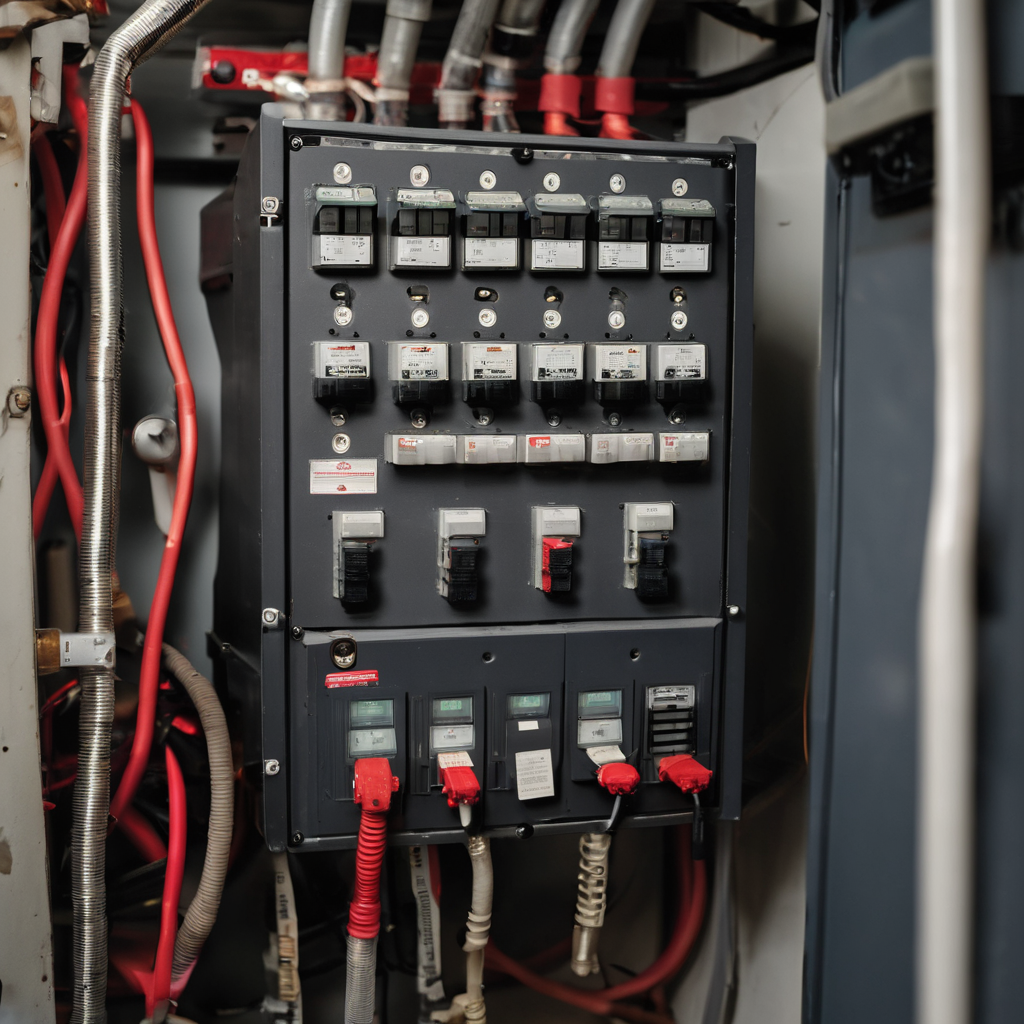
It's easy to overlook transfer switches in the broader conversation about energy resilience. They don't have the futuristic appeal of a home battery or the climate cachet of solar panels. But infrastructure that quietly works when everything else fails is exactly the kind of innovation that keeps modern life running.
Traditional backup setups often require an electrician to install a dedicated subpanel, a process that can take days and cost thousands of dollars. GenerLink installs directly at the meter, typically in under an hour, without rewiring the home. For utilities juggling aging infrastructure and increasingly severe weather events, endorsing a fast, standardized solution is a way to reduce emergency service calls and customer frustration during storms.
For homeowners, the calculus is straightforward: fewer points of failure, less installation hassle, and a system that's already been vetted by the very utilities that will eventually reconnect their power. That utility approval isn't just a bureaucratic checkbox. It signals that the technology meets rigorous safety standards designed to protect both homeowners and utility line workers from dangerous backfeed during repairs.
Ford's Bigger Bet on Home Energy Resilience

This partnership also fits neatly into Ford's broader push into home energy products, an extension of its investment in electrification that goes beyond the vehicles themselves. Ford has increasingly positioned its trucks, particularly electric and hybrid models, as mobile power sources capable of running a household during an outage. A reliable, utility-approved transfer switch is the missing link that makes that vision practical rather than theoretical.
In other words: the truck in the driveway isn't just transportation anymore. It's potential backup power, waiting for a safe, approved pathway into the house. GenerLink provides exactly that pathway, whether the power source is a portable generator, a standby unit, or, increasingly, an EV with bidirectional charging capability.
The Bigger Picture for Energy Consumers
As climate-driven weather events strain grids nationwide, the appetite for home resilience solutions is only growing. But not every consumer wants or can afford a whole-home battery system costing tens of thousands of dollars. Ford and GPP's approach represents a more incremental, accessible rung on the resilience ladder: a relatively low-cost, utility-sanctioned device that bridges the gap between total helplessness during an outage and full energy independence.
That accessibility may prove to be the real story here. Energy resilience doesn't have to mean going off-grid entirely. Sometimes it just means having a safe, fast, utility-approved way to keep the lights on until the grid comes back.