The Department of Energy stands at a crossroads that could reshape America's energy landscape for decades. A new budget proposal threatens to dismantle over $15 billion in clean energy investments, targeting programs the administration dismisses as "Green New Scam initiatives."
The proposed cuts would slice through Infrastructure Investment and Jobs Act funding that currently powers everything from grid modernization to battery manufacturing. For energy consumers, this isn't just Washington budget theater. It's a shift that could determine whether your electricity bill rises or falls, whether new clean energy jobs emerge in your community, and how quickly America transitions away from fossil fuel dependence.
The $15 Billion Question
The scale of these proposed cuts represents more than mere budget trimming. The Infrastructure Investment and Jobs Act, passed with bipartisan support, allocated unprecedented funding for energy infrastructure upgrades, electric vehicle charging networks, and renewable energy deployment. Slashing this funding would be like stopping construction on a highway system halfway through—leaving communities stranded between the old energy economy and the new one.
Energy analysts warn that these cuts could create a domino effect throughout the sector. Utility companies planning grid upgrades might delay projects. Manufacturers considering new battery plants could pause investments. Workers training for clean energy careers might find fewer opportunities waiting.
What This Means for Your Energy Bills
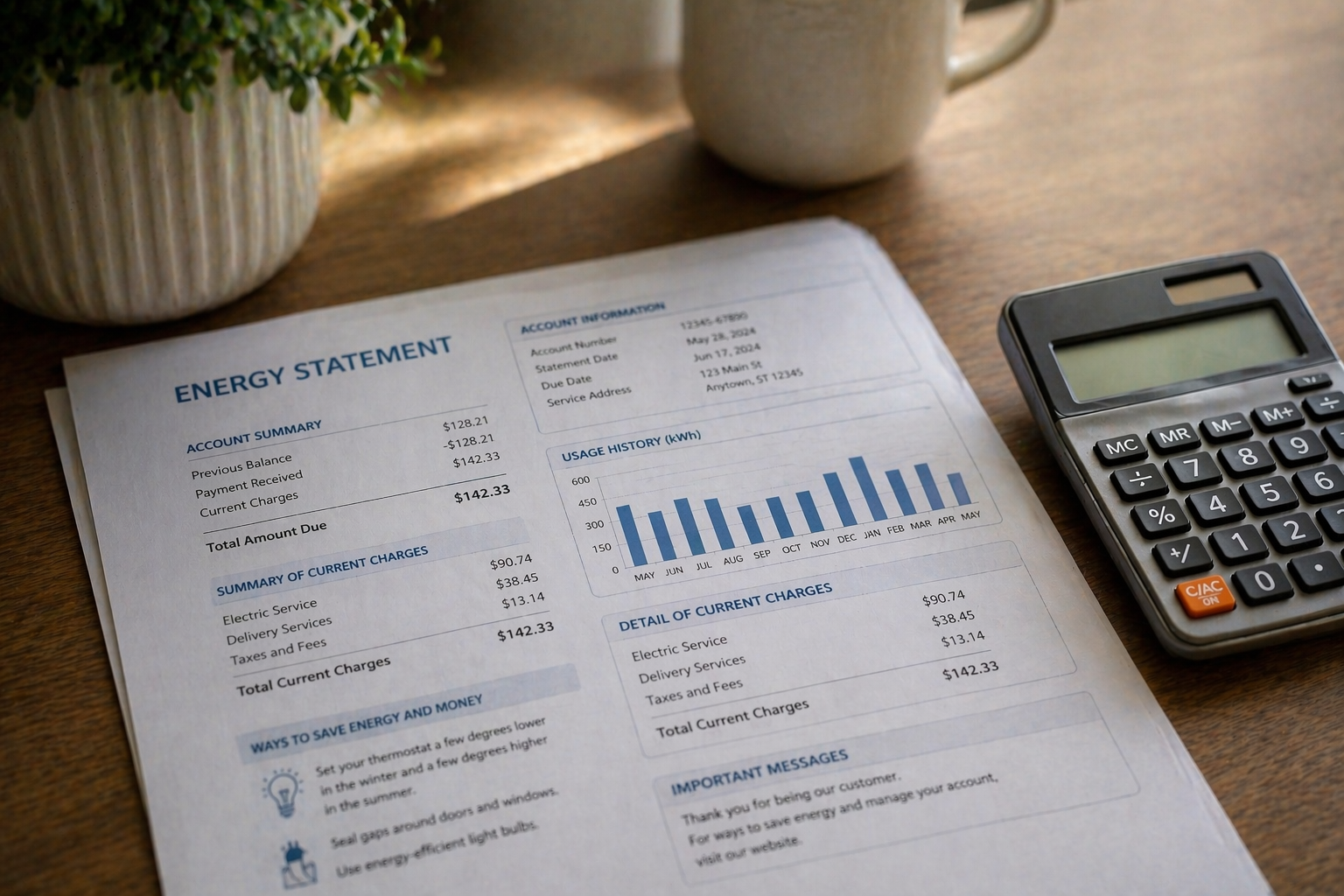
Here's where policy meets your monthly budget: energy infrastructure investments typically reduce long-term costs for consumers. When utilities can't modernize aging grids, they pass maintenance costs and inefficiencies directly to ratepayers. When clean energy deployment slows, regions remain more dependent on volatile fossil fuel prices.
The proposed cuts would particularly impact rural and disadvantaged communities that rely heavily on federal programs for energy infrastructure improvements. These areas often lack the tax base to fund major grid upgrades independently, making federal investment crucial for reliable, affordable power.
Industry Response and Economic Impact

The energy industry's reaction has been swift and divided. Traditional fossil fuel companies generally support reduced federal spending on renewable programs, while clean energy companies warn of project cancellations and job losses. Utility companies find themselves caught in the middle, having planned major infrastructure investments based on expected federal support.
Manufacturing states face particular uncertainty. The Infrastructure Investment and Jobs Act funding has attracted billions in private investment for battery factories, solar panel production, and wind turbine manufacturing. Cutting federal support could make these projects less economically viable, potentially sending manufacturing jobs overseas.
The Political Chess Game
This budget proposal represents more than fiscal policy—it's a strategic repositioning of America's energy priorities. By framing clean energy programs as wasteful spending, the administration signals a return to traditional energy sources and market-driven solutions.
However, budget proposals require Congressional approval, and energy infrastructure has historically enjoyed bipartisan support. Many Republican lawmakers represent districts that benefit significantly from clean energy investments and manufacturing jobs. The final budget outcome will likely reflect this political reality, with some programs surviving while others face significant reductions.
The stakes extend far beyond Washington politics. America's energy future—and your role in paying for it—hangs in the balance of these budget negotiations. Whether these proposed cuts become reality will determine if the country accelerates toward energy independence through domestic clean energy production, or doubles down on traditional approaches that leave consumers more vulnerable to global energy market volatility.