

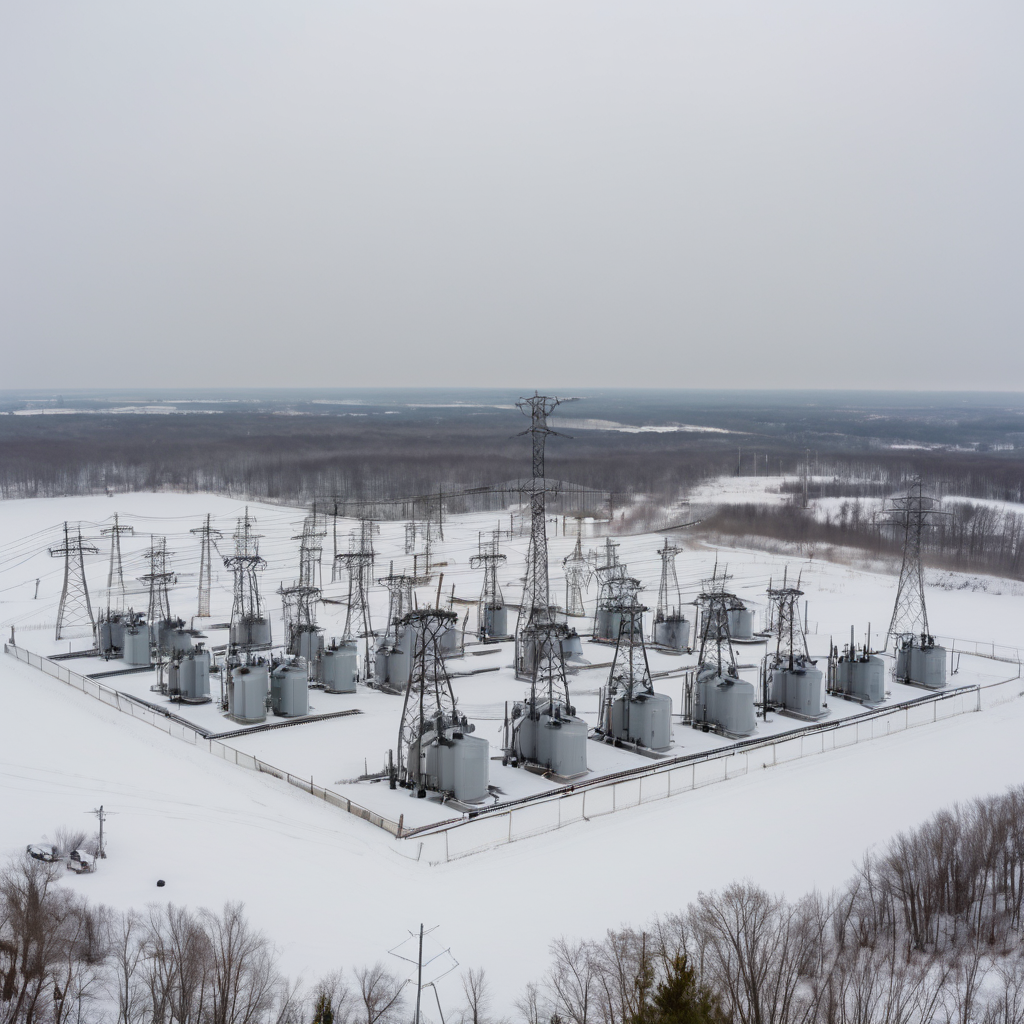
CMS Energy is making a bet that boring is beautiful. The Jackson, Michigan-based company announced plans to sell off its renewable energy assets, a move that might seem counterintuitive in an era when utilities are racing to add wind and solar to their portfolios. But for CMS, this isn't a retreat from clean energy. It's a strategic pivot toward the steady, predictable cash flows that come from operating regulated utilities.
Think of it like a chef who runs both a food truck and a fine-dining restaurant deciding to sell the truck. The truck might generate excitement and occasional windfalls, but the restaurant offers something more valuable: consistent revenue, predictable margins, and a business model that regulators essentially guarantee will stay profitable.
Why CMS Is Simplifying Its Corporate Structure
The company said the divestiture would simplify its corporate structure, a phrase that, in utility-speak, often means shedding complexity that investors find hard to value. Renewable energy projects, while increasingly common in utility portfolios, often carry different risk profiles than regulated transmission and distribution businesses. They're subject to market prices, weather variability, and construction risk in ways that a regulated utility, with its guaranteed rate of return, simply isn't.
By selling these assets, CMS expects to net approximately $500 million. This represents a substantial injection of capital that can be redirected toward strengthening its core utility operations, paying down debt, or funding infrastructure upgrades that regulators are increasingly demanding as the grid modernizes.
The move signals a broader industry question: is diversification into renewables still the right playbook for traditional utilities, or does specialization pay better dividends?
The Case for Regulated Utility Focus
Here's why this matters if you're a CMS customer or shareholder. Regulated utilities operate under a fundamentally different economic model than merchant renewable generators. When a utility invests in poles, wires, or substations, state regulators typically guarantee a rate of return on that investment, passed through to customers via rates. It's a slower, steadier path to profitability, but a far more predictable one.
Renewable energy projects, by contrast, often compete in wholesale markets or rely on long-term power purchase agreements that can fluctuate with energy prices, policy incentives, and technological costs. For a company like CMS, concentrating on regulated utilities means the majority of its earnings become more insulated from these market swings.
This isn't necessarily bad news for clean energy overall. The assets CMS is selling will likely find new owners, like infrastructure funds, private equity, or other utilities specifically built to manage renewable project risk. In some ways, this is the energy market doing what markets do best: specialization. Companies best equipped to manage weather-dependent, market-exposed assets take them on, while those built for steady infrastructure management stick to their strength.
What This Means for Ratepayers and Investors

For everyday energy consumers in Michigan, the practical impact may be minimal in the short term. Your electricity still flows through the same regulated distribution system, subject to the same state oversight. But over the longer term, a more focused CMS could mean a financially healthier utility, one better positioned to invest in grid reliability, storm hardening, and the infrastructure upgrades needed as electricity demand grows from data centers, EVs, and electrification trends.
For investors, the message is clarity: CMS wants to be valued as a pure-play regulated utility, not a hybrid renewable-and-utility conglomerate. That $500 million isn't just found money. It's a strategic tool to strengthen the balance sheet CMS believes the market will reward.
A Broader Signal for the Utility Sector
CMS's decision arrives amid a wider industry conversation about how utilities should balance growth ambitions with financial stability. As interest rates remain elevated and capital costs stay high, the appeal of steady, regulated returns has grown relative to the allure of renewable growth stories that dominated headlines just a few years ago.
Whether other utilities follow CMS's lead in shedding renewable assets remains to be seen. But this move offers a clear data point: sometimes the smartest energy strategy is less about chasing every green trend and more about doubling down on what you already do best.
As the dust settles on this transaction, one thing is certain: CMS Energy is betting that in a volatile energy landscape, predictability itself has become the most valuable commodity of all.


