


Texas just flexed its electrical muscle again, setting a new peak demand record on its grid. It's the kind of headline that usually signals unstoppable momentum: more homes, more businesses, more prosperity, more power flowing through the wires. But beneath this milestone lies a more complicated story, one about a state whose appetite for electricity is growing far faster than its ability to feed it.
According to new analysis from Ascend Analytics, more than 80% of new large loads seeking to connect to the Texas grid will not have matching generation capacity online by 2030. In plain terms: the demand is showing up to the party years before the power does.
A Grid Growing Faster Than Its Own Shadow
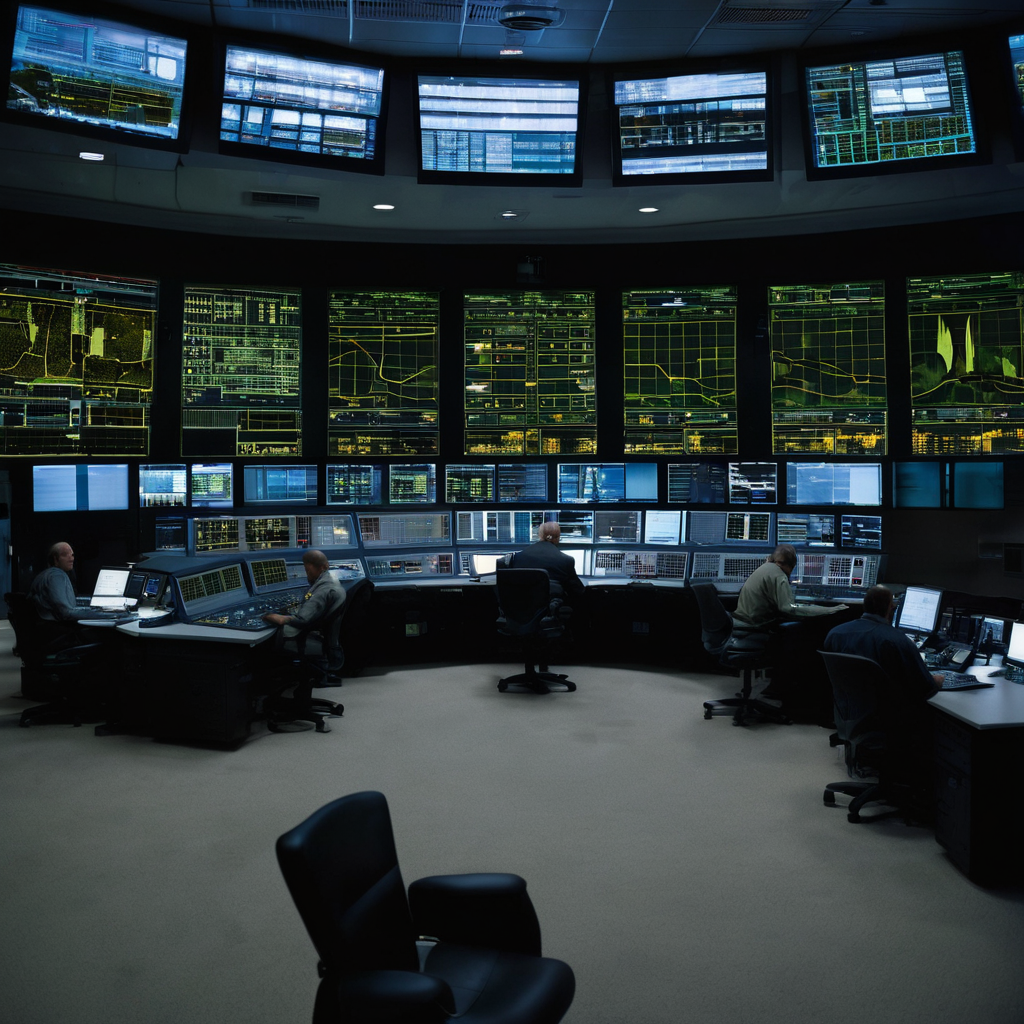
Think of the Texas grid as a highway system experiencing a population boom. Cities are expanding, new subdivisions are breaking ground, and traffic engineers know exactly how many more cars are coming. The problem is the roads aren't being built fast enough to handle them. That's essentially what's happening with electricity in Texas right now, except instead of commuters, the new traffic is data centers, chip fabrication plants, and industrial facilities with power appetites that dwarf typical commercial demand.
The Electric Reliability Council of Texas (ERCOT) has become ground zero for this tension. As one of the fastest-growing tech and industrial corridors in the country, Texas is attracting massive large load interconnection requests. This is the formal process by which big energy users ask to plug into the grid. But requesting a connection and actually getting one that's backed by real, dispatchable generation are two very different things.
More than 80% of new large loads seeking interconnection will not have matching generation online by 2030, even as demand continues to surge.
Why This Matters for Everyday Energy Consumers
It's tempting to think this is a problem exclusively for tech companies and industrial giants — after all, they're the ones filing the interconnection requests. But grid strain has a way of trickling down to everyone holding a utility bill.
When supply struggles to keep pace with demand, the market response is often higher wholesale electricity prices, since scarcity pushes up the cost of every megawatt-hour. Those costs don't stay contained to the corporate customers driving the surge. They ripple outward to residential and small business ratepayers who share the same grid. There's also a reliability dimension. A grid stretched thin has less cushion during heat waves, cold snaps, or unexpected outages, the very conditions that have already tested Texas's system in recent years.
In other words, that new data center going up outside Austin or the semiconductor plant near Dallas isn't just an abstract economic development story. It's a variable that could shape your summer electricity bill and how confidently you can count on the AC turning on during the next 100-degree heat dome.
The Bottleneck Behind the Boom
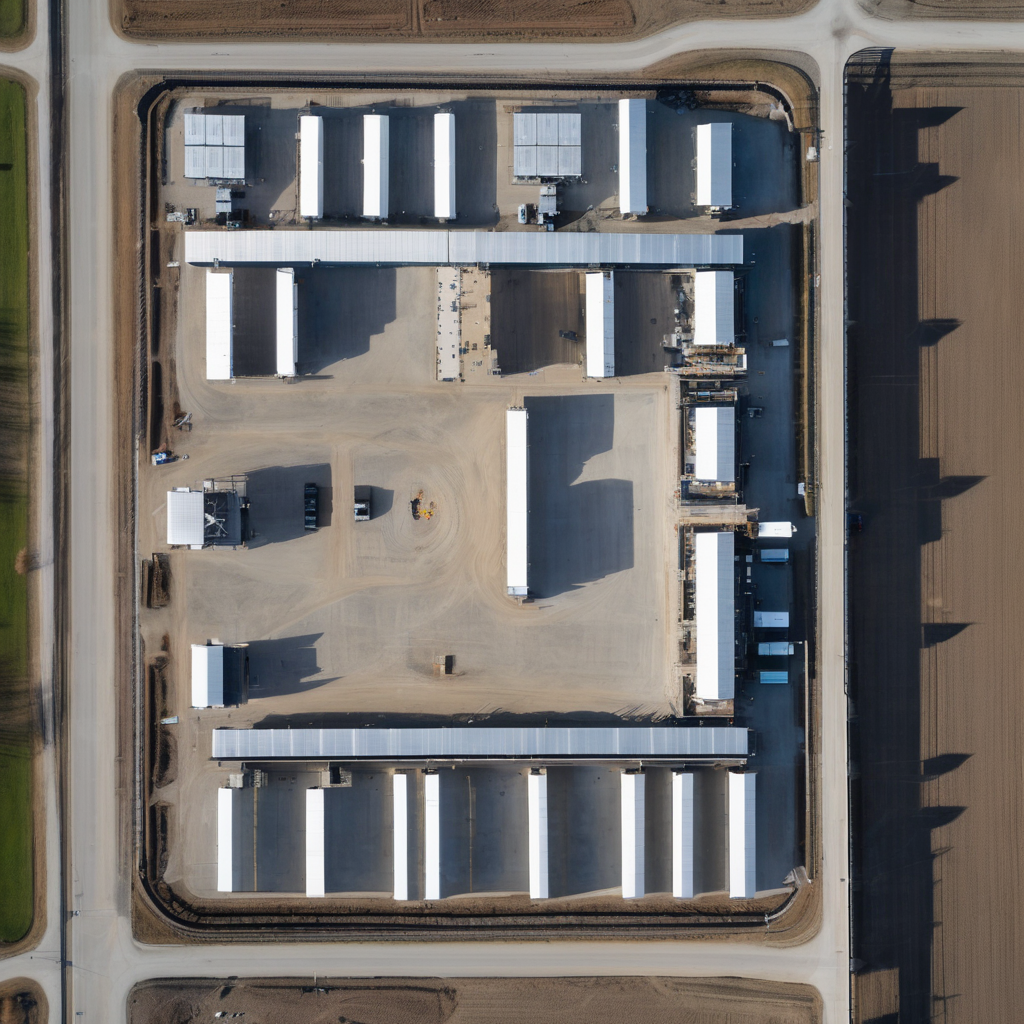
Building new generation capacity, whether it's natural gas plants, battery storage, or renewables, takes years of planning, permitting, and construction. Large load customers, by contrast, can sometimes finalize massive facility plans on a much faster timeline, especially in the hyper-competitive world of AI-driven data center expansion.
This mismatch is the crux of the Ascend Analytics warning. Texas isn't necessarily short on ambition to build more power plants; it's short on time. Even with the state's famously fast permitting environment compared to other regions, physically constructing and interconnecting new generation is a multi-year endeavor. Meanwhile, hyperscale data center campuses are being announced and broken ground on at a pace that outstrips the grid's construction calendar.
The result is a growing queue of large loads waiting for power that, on paper, doesn't yet exist in matched form. Some of these facilities may find creative workarounds, such as on-site generation, co-located power agreements, or flexible demand arrangements that allow them to throttle usage during tight grid conditions. But for a meaningful share of new industrial demand, the 2030 horizon looks less like a guaranteed connection and more like a waiting room.
A Preview of the Energy Decade Ahead
Texas's predicament is a preview of a challenge that will likely play out across the country as AI infrastructure, reshoring manufacturing, and electrification collide with power grids designed for a different era of demand growth. The state's record-breaking peak isn't a finish line, it's a mile marker in a race between electricity supply and an economy that increasingly runs on data and computation.
How Texas navigates this gap, through faster permitting, aggressive battery storage deployment, demand flexibility programs, or new generation investment, will offer an early blueprint for grid operators nationwide facing the same collision course. For now, the record demand number is a celebration and a warning wrapped into one: proof of a booming economy, and a flashing signal that the infrastructure underpinning it needs to catch up, fast.


