
In the desert heat of Arizona, where backyard pools shimmer like blue jewels across suburban landscapes, an unlikely hero has emerged in the fight against soaring energy costs: the humble pool pump. What if the key to saving tens of millions in annual customer and infrastructure costs was as simple as changing when these pumps run?
New research from Arizona State University suggests that Arizona Public Service (APS) and Salt River Project (SRP) customers could unlock massive savings by doing something counterintuitive—running their pool pumps during the blazing midday sun instead of the cool evening hours. This shift could move up to 820 megawatts of electricity demand from expensive peak hours to cheaper off-peak periods, creating a ripple effect of savings across the entire grid.
The Peak Demand Problem
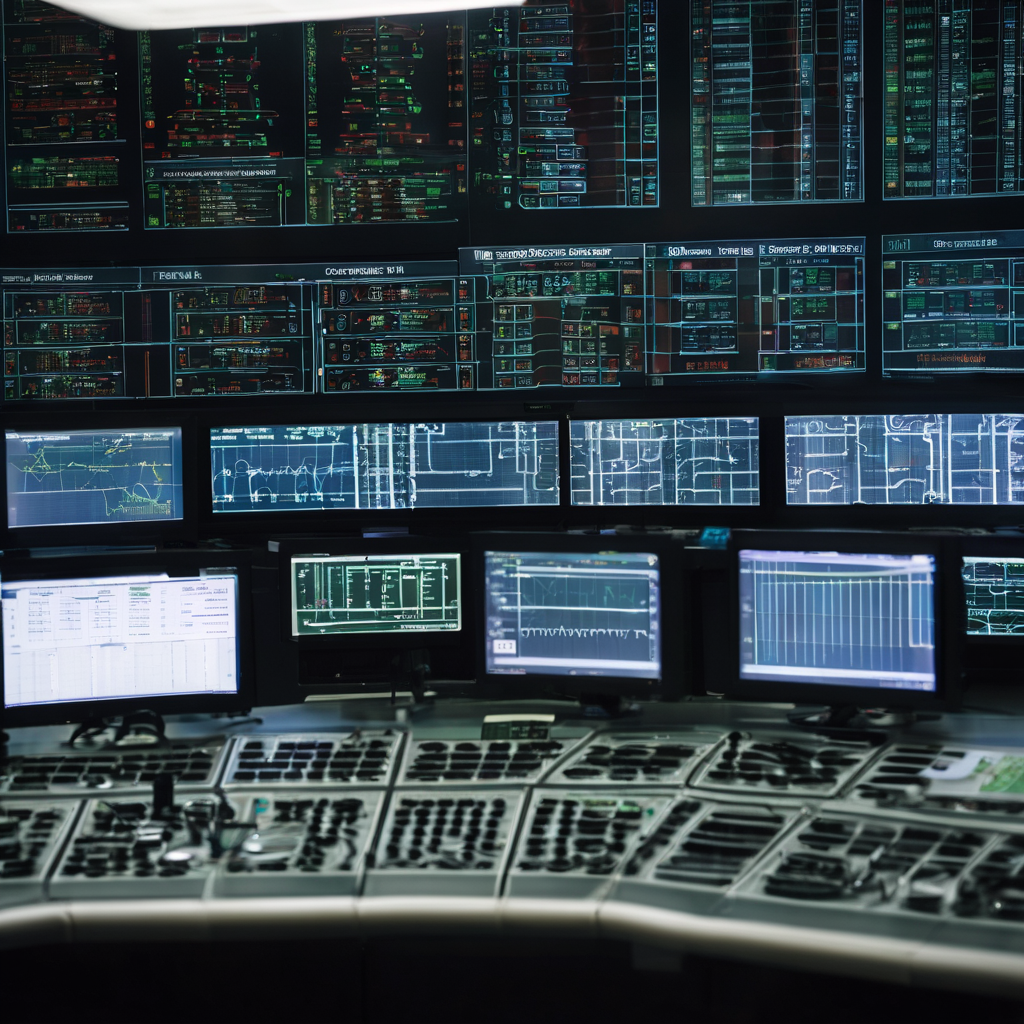
To understand why this matters, think of the electrical grid like a highway system. Just as rush hour creates traffic jams that require expensive infrastructure investments—more lanes, better traffic management systems—peak electricity demand forces utilities to fire up costly backup power plants and maintain excess capacity that sits idle most of the year.
In Arizona, that rush hour typically hits in the early evening when temperatures remain scorching but the sun begins to set. Air conditioners work overtime, families return home and flip on appliances, and traditionally, pool pumps kick into gear for their daily filtration cycles. This perfect storm of demand creates what energy economists call the "duck curve". It's a dramatic spike in electricity needs precisely when solar panels start producing less power.
The financial implications are staggering. Peak demand doesn't just cost more per kilowatt-hour; it drives the need for expensive peaker plants, transmission upgrades, and grid infrastructure that utilities must build to handle just a few hours of maximum demand each day. These costs get passed down to every customer through higher rates and infrastructure charges.
The Counterintuitive Solution

Here's where the ASU research reveals something fascinating: pool pumps don't actually need to run when it feels most convenient to homeowners. Unlike air conditioning, which must respond to real-time comfort needs, pool filtration is remarkably flexible. The water doesn't care if it gets cleaned at 2 PM or 8 PM. But, the grid certainly does.
By shifting 820 MW of pool pump demand to midday hours, Arizona could essentially create a massive virtual power plant of demand flexibility. To put that number in perspective, 820 MW is roughly equivalent to a large natural gas power plant. That's enough electricity to power approximately 650,000 homes during peak demand periods.
This shift would accomplish two critical goals simultaneously. First, it would reduce stress on the grid during expensive evening peak hours, potentially avoiding the need for costly infrastructure upgrades. Second, it would increase electricity demand during midday hours when Arizona's abundant solar resources are producing maximum power, improving the economics of renewable energy across the system.
Why This Matters Beyond Arizona
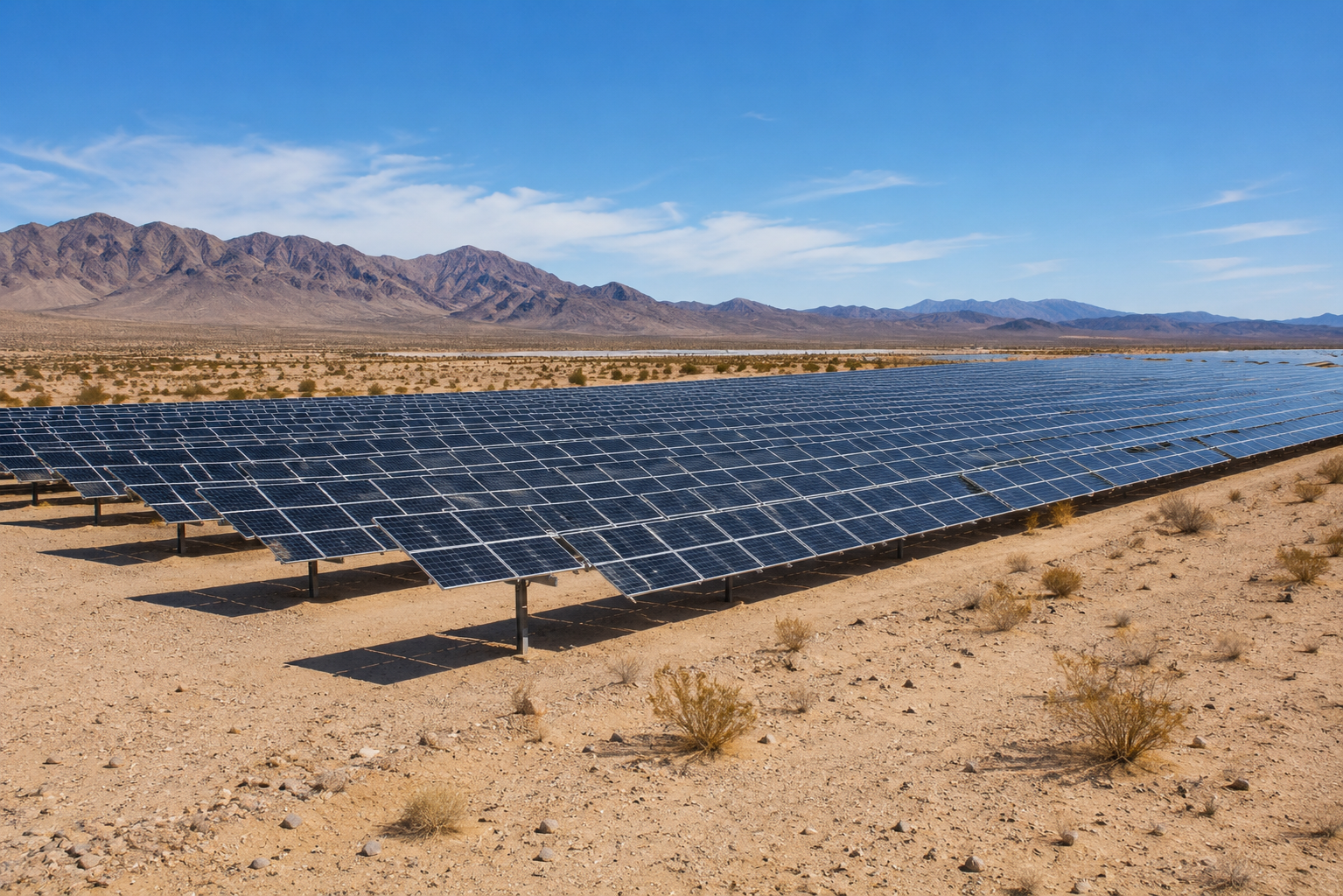
The pool pump strategy represents something larger than a regional cost-saving measure. It's a glimpse into the future of grid management. As utilities nationwide grapple with integrating more renewable energy while managing peak demand, simple demand-shifting solutions like this become increasingly valuable.
"If Arizona Public Service and Salt River Project customers were to schedule pool pump operations at midday instead of at night, it could shift up to 820 MW into off-peak tariffs," the ASU researchers noted, highlighting the massive scale of this untapped resource.
The beauty of the pool pump solution lies in its simplicity. Unlike complex battery storage systems or expensive grid infrastructure, this approach requires nothing more than reprogramming existing equipment. Most modern pool pumps already include programmable timers; the challenge is creating incentives for homeowners to actually use them strategically.
For energy consumers, this research illuminates a broader principle: small changes in how we use electricity can create outsized benefits when multiplied across thousands of homes. The same logic applies to electric vehicle charging, water heater scheduling, and other flexible loads that don't require real-time operation.
The Path Forward
Implementing this vision will require more than just research findings. It demands smart policy design and customer engagement. Utilities could offer time-of-use rates that make midday pool pump operation financially attractive, or even provide smart controls that automatically optimize pump schedules based on grid conditions.
The potential extends beyond pools to other flexible loads throughout Arizona homes. Water heaters, electric vehicle chargers, and even some HVAC systems could be optimized to support grid stability while reducing costs for everyone.
As Arizona continues to lead the nation in solar adoption and grid innovation, the humble pool pump offers a reminder that sometimes the most powerful solutions hide in plain sight. In a state where nearly one in five homes has a pool, the collective impact of smarter scheduling could reshape the entire energy landscape one backyard at a time.