


Someone has to pour the foundations, and this week Ameren Missouri told the state how many.
What happened
Kate Grumke of St. Louis Public Radio reported on September 30 that Ameren Missouri has filed its 2026 integrated resource plan with the Missouri Public Service Commission. An integrated resource plan is the long filing a regulated utility submits to show how it expects to meet demand over the next two decades, and Grumke's story lands on the figure that matters to anyone who owns a set of tools: the number of new natural gas plants in the plan goes from two, where it stood in 2023, to nine.
The plan calls for close to double the generation Ameren projected three years ago. Grumke reported that as many as 40 large data centers could be built inside the territory, and that the company has already signed binding agreements with some of them. One of those projects sits in the city itself, a $3 billion data center planned for St. Louis Midtown that would be the largest in town.
Marshall Benveniste of ConstructConnect reported in May that the Midtown project, led by developer David Daneshforooz, converts the old Famous-Barr warehouse and the Armory buildings into roughly 120 megawatts of capacity, with more than 1,000 construction jobs and about 200 permanent positions. Sheri Gassaway of The Labor Tribune reported that the St. Louis Labor Council backed the project, counting 1,050 union construction positions and 200 permanent jobs.
Why it counts
Strip the megawatts out of the filing and what is left is a labor schedule.
A combined cycle gas plant, meaning one built to run most hours and to capture its own waste heat for extra output, takes a few years of pipefitters, boilermakers, ironworkers, millwrights, electricians, operating engineers and laborers. Battery storage sites need civil crews, electricians and commissioning technicians. Solar needs racking crews and journeymen. Nuclear needs welders carrying qualifications that take years to earn and that not many people hold.
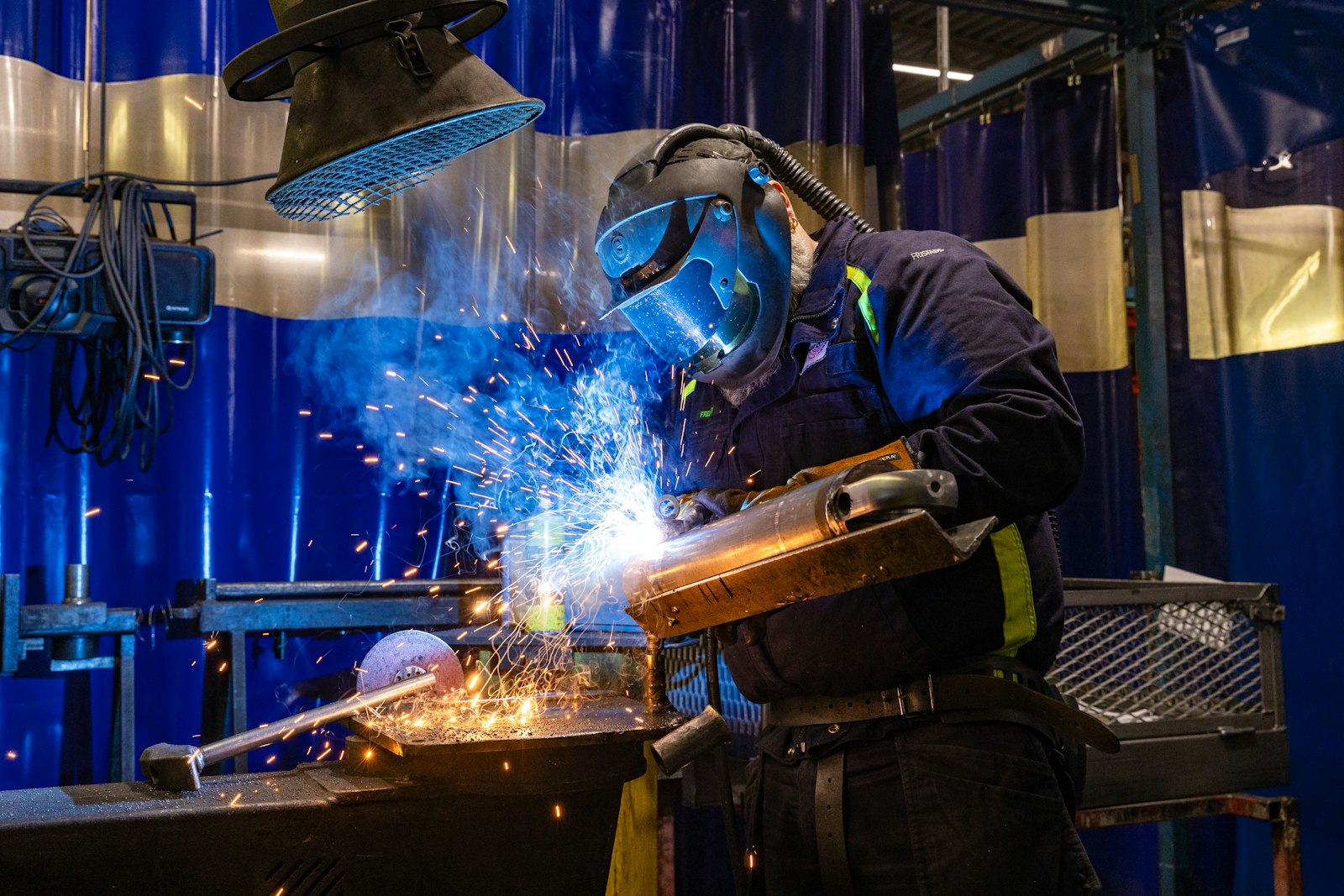
Nine gas plants, plus 2,400 megawatts of batteries, plus a nuclear unit is not one hiring wave. It is a decade and a half of them, staggered across central and eastern Missouri, in counties where a 300 person jobsite changes what the local diner does on a Tuesday.
No single technology type can meet every customer need in every hour.
That is Rob Dixon, Ameren's vice president of regulatory affairs, quoted in Grumke's story. Read it as a hiring statement rather than a resource statement and it says the same thing: the work is not one trade, it is all of them, and they do not arrive in the same year.
The numbers
From Ameren Missouri's own filing summary, released September 28:
- Combined cycle gas: 2,100 megawatts by 2031, another 2,800 by 2035, another 1,400 by 2042.
- Simple cycle gas, the faster starting units that cover peak hours: 1,900 megawatts by 2029, another 2,400 after 2040.
- Battery storage: 2,400 megawatts by 2030.
- Solar: 1,300 megawatts by 2030, another 2,300 by 2045.
- Wind: 1,500 megawatts after 2030.
- Natural gas fuel cells: 500 megawatts by 2030.
- New nuclear: 1,200 megawatts by 2040, technology and site still open.
- Callaway Energy Center: the company is seeking to run it past 2044.
On the demand side, Ameren Missouri says it has signed service agreements covering 2.8 gigawatts of large load by 2030, most of it coming from data centers. A large load agreement is a contract with a single very big customer, the kind that shows up on the system as its own small city.
For scale on what the company already carries, a study Ameren commissioned from HR&A Advisors and released September 22 put its 2025 footprint across Missouri and Illinois at 63,000 jobs supported, $25.9 billion in economic output and $2.5 billion spent with vendors inside the two states. The same study counted more than 430 companies worked with through economic development, carrying $3.6 billion in planned investment and more than 3,700 projected jobs.
What comes next
A resource plan is a filing, not a purchase order. The Missouri Public Service Commission reviews it, parties intervene, and the shape of it can change before any of the nine plants gets a site. Individual projects still need their own approvals. Anyone who has watched a 20-year plan age knows the back half of it is a projection rather than a schedule.
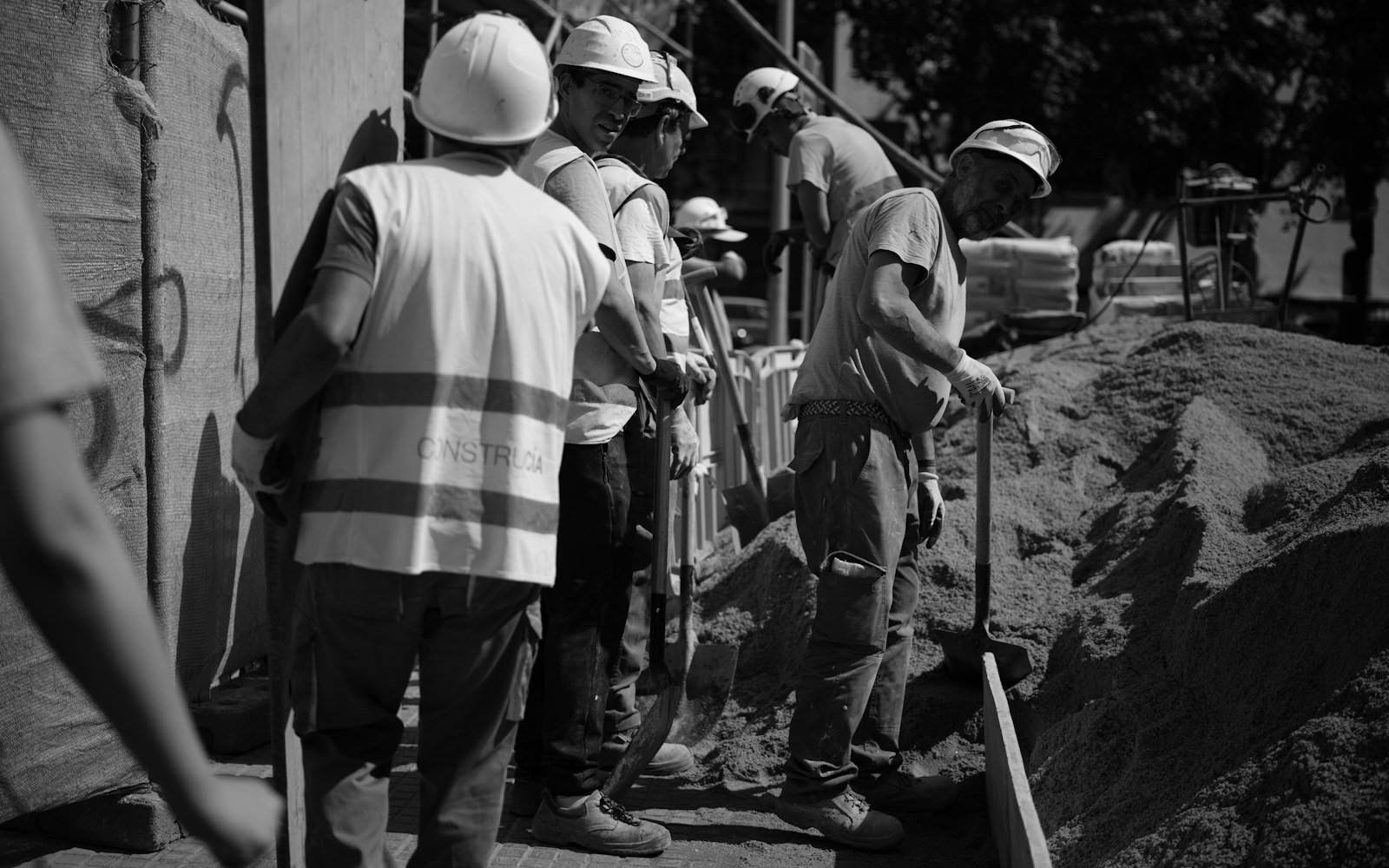
The front half is closer than it looks. The 1,900 megawatts of simple cycle capacity carries a 2029 date, which in construction terms means engineering and procurement now and crews on the ground well before the decade turns. The 2,400 megawatts of batteries and the first 1,300 megawatts of solar carry 2030. Local unions, community colleges and contractors in Missouri have roughly three years to get people qualified before those gates open.
The nuclear line is the one to watch for anybody thinking about a career rather than a job. New nuclear at 1,200 megawatts by 2040, technology undecided, means the welders, the health physics technicians and the reactor operators who will run it are sitting in a Missouri high school right now.
The Bottom Line
Ameren Missouri filed a plan. Missouri's trades will file the timecards. The megawatt totals are the headline, but the part worth tracking is the hiring calendar underneath them: 2029 for the peaking units, 2030 for batteries and the first big block of solar, 2040 for nuclear. Three windows, three different sets of skills, and a lot of people in Missouri who could be standing in them if the training pipeline starts now.
Positive Current
Sources: Kate Grumke, St. Louis Public Radio, "Data centers drive huge power plant buildout in Ameren Missouri 20-year plan," September 30, 2026; Ameren Missouri 2026 integrated resource plan filing summary, September 28, 2026; Marshall Benveniste, ConstructConnect, "Developer Unveils $3 Billion St. Louis Data Center Plan," May 22, 2026; Sheri Gassaway, The Labor Tribune, "St. Louis Labor Council supports proposed new Armory data center and office space project," March 5, 2026; Ameren and HR&A Advisors economic impact study, September 22, 2026.


