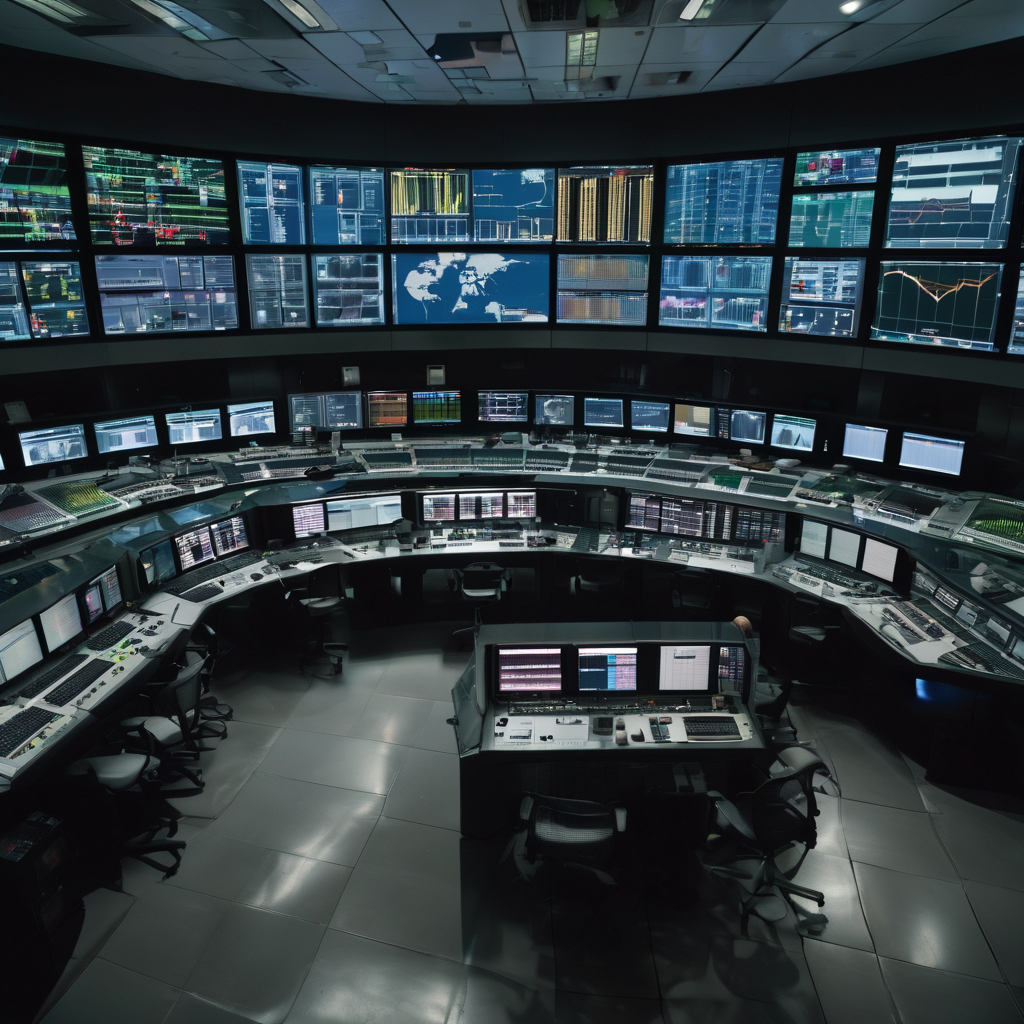
Picture this: A massive tree falls onto a transmission line during a summer storm, instantly severing the electrical connection between a major power plant and thousands of homes. In that split second, the grid doesn't face an energy shortage—it faces something far more dangerous. The delicate balance between electricity supply and demand shatters, causing the grid's frequency to plummet like a rock dropped from a skyscraper.
This is the hidden vulnerability that most energy discussions miss entirely. While policymakers debate the merits of natural gas peaker plants as backup power sources, they're fundamentally misunderstanding the physics of grid reliability. Most blackouts don't start as a multihour energy shortage; they start as a frequency crisis that unfolds in milliseconds.
The Frequency Crisis Nobody Talks About
To understand why gas peakers fall short, you need to grasp what actually happens when the lights go out. The North American electrical grid operates at a precise 60 hertz frequency. Imagine it as the heartbeat of our electrical system. When supply and demand fall out of balance, even by small amounts, this frequency starts to drift.
Drop below 59.5 hertz, and protective systems begin shutting down power plants to prevent equipment damage. Fall to 58 hertz, and you're looking at cascading blackouts across entire regions. The grid has roughly 10-15 seconds before frequency deviations trigger widespread shutdowns.
This is where the physics get brutal for natural gas plants. Even the fastest gas turbines need 10-15 minutes to start from a cold state, and 2-3 minutes even when kept in "hot standby" mode. In grid emergency terms, that's really slow. By the time a gas peaker plant receives the startup signal, processes the command, and begins ramping up, the frequency crisis has already cascaded into a full blackout.
What Actually Stops Blackouts
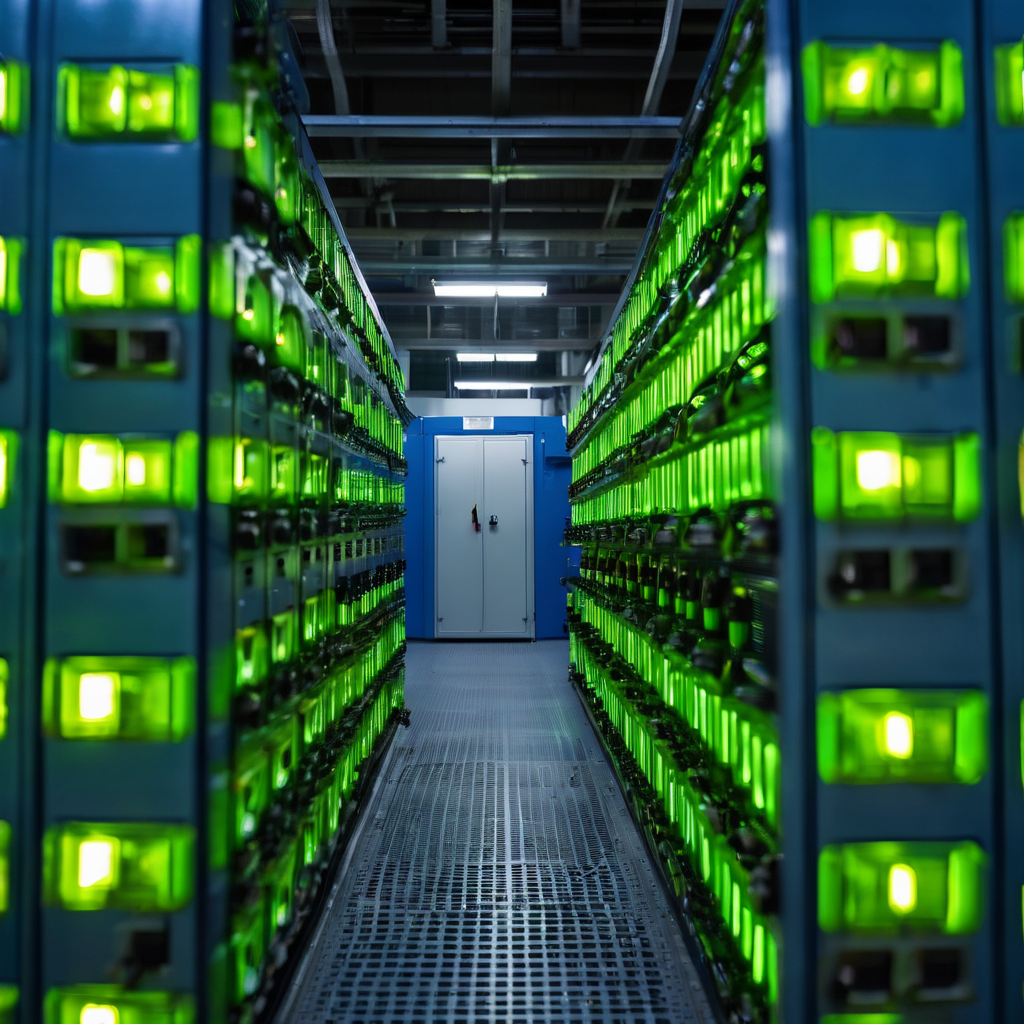
Real grid stability depends on resources that can respond in seconds, not minutes. Battery storage systems can inject power into the grid within 250 milliseconds of receiving a signal. Hydroelectric plants can ramp up in 30-60 seconds. Even some existing power plants can provide "inertial response"—their massive spinning turbines naturally resist frequency changes, buying precious time for other resources to respond.
Think of it like a car's suspension system. When you hit a pothole, you don't want shock absorbers that take five minutes to engage. You need instant response to prevent the wheel from bouncing out of control. The electrical grid works the same way, requiring immediate stabilization when disruptions occur.
This explains why grid operators increasingly value "ancillary services," or the unglamorous but critical functions that keep electricity flowing smoothly. Frequency regulation, voltage support, and spinning reserves matter more for preventing blackouts than raw generating capacity.
The Economics of Fast Response
Here's where the story gets more complex. While gas peakers can't prevent frequency-related blackouts, they still serve important functions during longer-duration outages. If a major power plant goes offline for hours or days, gas peakers provide the sustained energy generation needed to keep the lights on.
But paying for gas plants solely as backup power increasingly makes little economic sense. These facilities might run only a few dozen hours per year, yet they require significant capital investment and ongoing maintenance. Meanwhile, their slow response times mean grid operators must maintain additional, faster-responding resources anyway.
Battery storage, by contrast, can provide both rapid frequency response and sustained energy delivery. As battery costs continue falling (down about 90% over the past decade) the economic case for gas-only backup strategies weakens.
Building Tomorrow's Resilient Grid
None of this means natural gas plants will disappear overnight, or even that they should. But it does mean we need to stop pretending that gas peakers alone can solve grid reliability challenges. The physics simply don't work that way.
A truly resilient grid requires a diverse portfolio of resources, each optimized for different types of challenges. Battery storage and other fast-responding technologies handle frequency emergencies. Longer-duration storage manages multi-hour outages. Flexible demand response helps balance supply and consumption in real-time.
Some utilities are already adapting to this reality. California's grid operator now procures specific amounts of different response speeds. Some resources must respond within four seconds, others within 10 minutes, others within an hour. This approach recognizes that grid reliability isn't just about having enough power; it's about having the right kind of power available at the right speed.
The transition won't be simple or cheap, but the alternative is increasingly untenable. As extreme weather events become more frequent and our electricity demands grow more sophisticated, grid operators need tools that match the speed of modern challenges. In the millisecond world of frequency control, every second counts—and gas peakers are minutes behind.